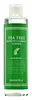
This acne toner is formulated around Melaleuca Alternifolia Leaf Water and Camellia Sinensis Leaf Extract to clear breakouts and balance excess oil.
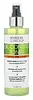
This oil-control toner is formulated around Melaleuca Alternifolia Leaf Water and Melaleuca Alternifolia Leaf Oil to balance excess oil and clear breakouts.


What's inside
What's inside
 Key Ingredients
Benefits
Concerns
Ingredients Side-by-side
Melaleuca Alternifolia Leaf Water
Antimicrobial


Alcohol
Antimicrobial




1,2-Hexanediol
Skin Conditioning
Camellia Sinensis Leaf Extract
Antimicrobial




Plantago Asiatica Extract
Skin ConditioningDiospyros Kaki Leaf Extract
Skin Protecting
Salix Alba Bark Extract
Astringent
Brassica Campestris Extract
Skin ConditioningLaminaria Digitata Extract
Skin Protecting

Zanthoxylum Piperitum Fruit Extract
Skin ConditioningPulsatilla Koreana Extract
Skin ConditioningUsnea Barbata Extract
Polysorbate 80
Emulsifying
4-Terpineol
Masking
Chamomilla Recutita Flower Extract
Masking
Nonoxynol-12
Citrus Limon Fruit Extract
Masking
Aloe Barbadensis Leaf Juice
Skin Conditioning
Althaea Rosea Root Extract
HumectantAloe Barbadensis Leaf Extract
Emollient
Disodium EDTA
ChelatingParfum
Masking

Melaleuca Alternifolia Leaf Water, Alcohol, 1,2-Hexanediol, Camellia Sinensis Leaf Extract, Plantago Asiatica Extract, Diospyros Kaki Leaf Extract, Salix Alba Bark Extract, Brassica Campestris Extract, Laminaria Digitata Extract, Zanthoxylum Piperitum Fruit Extract, Pulsatilla Koreana Extract, Usnea Barbata Extract, Polysorbate 80, 4-Terpineol, Chamomilla Recutita Flower Extract, Nonoxynol-12, Citrus Limon Fruit Extract, Aloe Barbadensis Leaf Juice, Althaea Rosea Root Extract, Aloe Barbadensis Leaf Extract, Disodium EDTA, Parfum
Water
Skin ConditioningMelaleuca Alternifolia Leaf Water
Antimicrobial
Glycerin
Humectant
Pyrus Malus Fruit Extract
Skin Conditioning
PEG-12 Dimethicone
Skin Conditioning
Melaleuca Alternifolia Leaf Oil
Antioxidant

Aloe Barbadensis Leaf Juice
Skin Conditioning
Azelaic Acid
Buffering

Glycyrrhiza Uralensis Root Extract
Skin Conditioning
Hamamelis Virginiana Bark/Leaf/Twig Extract
Skin Conditioning
Tocopheryl Acetate
Antioxidant
Maltodextrin
Absorbent
Isopentyldiol
Humectant
Pentylene Glycol
Skin Conditioning
Phenoxyethanol
Preservative
Tetrasodium Glutamate Diacetate
ChelatingCaprylyl Glycol
Emollient
Ethylhexylglycerin
Skin ConditioningHexylene Glycol
EmulsifyingSodium Hydroxide
BufferingSolvent Yellow 33
Blue 1 Lake
Cosmetic ColorantWater, Melaleuca Alternifolia Leaf Water, Glycerin, Pyrus Malus Fruit Extract, PEG-12 Dimethicone, Melaleuca Alternifolia Leaf Oil, Aloe Barbadensis Leaf Juice, Azelaic Acid, Glycyrrhiza Uralensis Root Extract, Hamamelis Virginiana Bark/Leaf/Twig Extract, Tocopheryl Acetate, Maltodextrin, Isopentyldiol, Pentylene Glycol, Phenoxyethanol, Tetrasodium Glutamate Diacetate, Caprylyl Glycol, Ethylhexylglycerin, Hexylene Glycol, Sodium Hydroxide, Solvent Yellow 33, Blue 1 Lake
Ingredients Explained
These ingredients are found in both products.
Ingredients higher up in an ingredient list are typically present in a larger amount.
Aloe Barbadensis Leaf Juice is the filtered, stabilized liquid pressed from the inner gel of the aloe vera leaf.
In cosmetics, it shows up as either soothing active or a water-replacement base. It is roughly 98-99% water and the last 1-2% is an interesting mix of polysaccharides, amino acids, vitamins, minerals, and enzymes.
The polysaccharides do most of the work: they bind water at the skin surface for a light, non-greasy hydration boost. And one of the polysaccharides, glycomannan, is linked to fibroblast stimulation + collagen synthesis. This is also why aloe has such a long track record in wound and burn healing.
This ingredient is also calming with anti-inflammatory and mild antimicrobial activity, making it a great pick for sensitive, irritated, or post-sun skin.
Realistic expectations matter though; the solid evidence is mostly limited to hydration, soothing, and wound support. Deeper claims about anti-aging or sun protection are not well backed, and science reviews note it does not prevent radiation-induced skin injury.
Because it plays well with almost everything, it's commonly used as a base alongside other actives like niacinamide or vitamin C.
Typical usage concentrations range from 0.5% (where hydration benefits already show up) all the way to 90%+ (where it replaces water as the main base).
The safety for this ingredient is well-establish as well. Overall, this is a great supporting ingredient for those who want a boost in hydration.
Learn more about Aloe Barbadensis Leaf JuiceThis ingredient is also known as tea tree leaf water or tea tree hydrosol. It functions as an antimicrobial, anti-sebum, astringent, and tonic ingredient.
You can think of it as a gentler, water-version of tea tree oil.
Its star active is terpinen-4-ol, a broad-spectrum antimicrobial.
The water-soluble compounds of tea tree have been shown to calm inflammation by roughly 50% in vitro (with Terpinen-4-ol driving this).
Terpinen-4-ol has also demonstrated strong inhibitory activity against Propionibacterium acnes and Staphylococcus aureus.
Before slathering on tea tree water, just know concentrations under 5% are considered more suitable and safer than higher concentrations.
The European Medicines Agency recognizes tea tree-derived ingredients as having well-established use for mild acne and small superficial wounds.
It's a well-researched and skin-friendly option for oily or acne-prone skin.
As with most actives, patch testing is a good idea if your skin leans sensitive.
Learn more about Melaleuca Alternifolia Leaf Water

