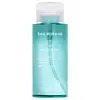
This salicylic acid micellar makeup remover is made to dissolve makeup, sunscreen, and daily buildup.
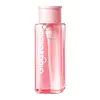
This mild micellar makeup remover is made to dissolve makeup, sunscreen, and daily buildup.

What's inside
What's inside
 Key Ingredients
Benefits
Concerns
Ingredients Side-by-side
Water
Skin ConditioningGlycerin
Humectant


Disodium EDTA
ChelatingGlycereth-26
Humectant
Cocamidopropyl Betaine
Cleansing



Sodium Chloride
MaskingBabassu Oil Glycereth-8 Esters
Emulsifying
Calendula Officinalis Flower Extract
Masking


Melaleuca Alternifolia Leaf Water
Antimicrobial

Artemisia Argyi Leaf Extract
Skin ConditioningGlycyrrhiza Uralensis Root Extract
Skin Conditioning
Portulaca Oleracea Flower/Leaf/Stem Extract
Antioxidant
Paeonia Suffruticosa Root Extract
Skin ProtectingPaeonia Lactiflora Extract
AstringentPhenoxyethanol
Preservative
Ethylhexylglycerin
Skin ConditioningPropanediol
Solvent
Caprylhydroxamic Acid
ChelatingGlyceryl Caprylate
EmollientPEG-40 Hydrogenated Castor Oil
Emulsifying
Tocopherol
Antioxidant



Bisabolol
Antioxidant
Zingiber Officinale Root Extract
Masking
Allantoin
Skin Conditioning
Salicylic Acid
Masking



Water, Glycerin, Disodium EDTA, Glycereth-26, Cocamidopropyl Betaine, Sodium Chloride, Babassu Oil Glycereth-8 Esters, Calendula Officinalis Flower Extract, Melaleuca Alternifolia Leaf Water, Artemisia Argyi Leaf Extract, Glycyrrhiza Uralensis Root Extract, Portulaca Oleracea Flower/Leaf/Stem Extract, Paeonia Suffruticosa Root Extract, Paeonia Lactiflora Extract, Phenoxyethanol, Ethylhexylglycerin, Propanediol, Caprylhydroxamic Acid, Glyceryl Caprylate, PEG-40 Hydrogenated Castor Oil, Tocopherol, Bisabolol, Zingiber Officinale Root Extract, Allantoin, Salicylic Acid
Reviews
Ingredients Explained
These ingredients are found in both products.
Ingredients higher up in an ingredient list are typically present in a larger amount.
Disodium EDTA is a chelating agent. It grabs onto and deactivates metal ions that sneak into your products from water, packaging, or air.
This ingredient mainly works behind the scenes and helps with:
On top of that, this ingredient can counteract the effects of hard water by binding to the minerals in it.
One thing worth knowing is that Disodium EDTA has been shown to be a mild penetration enhancer. It can help other ingredients absorb into skin more effectively which can be a double-edged sword (great for actives, but can also make the active too strong if you have sensitive skin).
Clinical patch testing showed no significant skin irritation at typical use concentrations and minimal dermal absorption.
You'll most likely see this ingredient near the end of an ingredient list. It's typically found in concentrations less than 1%.
Learn more about Disodium EDTAPEG-40 Hydrogenated Castor Oil is an emulsifier derived from castor oil.
As an emulsifying agent, it helps other ingredients like fragrances and fat-soluble vitamins dissolve cohesively.
Due to its large molecule size, it doesn't penetrate beyond the skin's surface.
This ingredient has a solid regulatory track record; the CIR Expert Panel first concluded it was safe for use in cosmetics at concentrations up to 100% in 1997. A 2012 reassessment reaffirmed that finding. Safety studies have also found no irritation or evidence of toxicity.
A 2019 study did find this ingredient to grow Malassezia, so this ingredient may not be fungal acne safe.
Learn more about PEG-40 Hydrogenated Castor OilWater. It's the most common cosmetic ingredient of all. You'll usually see it at the top of ingredient lists, meaning that it makes up the largest part of the product.
So why is it so popular? Water most often acts as a solvent - this means that it helps dissolve other ingredients into the formulation.
You'll also recognize water as that liquid we all need to stay alive. If you see this, drink a glass of water. Remember to stay hydrated!
Learn more about Water

