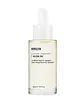
This hydrating oil is formulated around Camellia Japonica Seed Oil and Squalane to hydrate skin and strengthen the skin barrier.
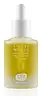
This hydrating oil is formulated around Argania Spinosa Kernel Oil and Camellia Japonica Seed Oil to hydrate skin and strengthen the skin barrier.

What's inside
What's inside
 Key Ingredients
No key ingredients
Benefits
Concerns
Ingredients Side-by-side
Caprylic/Capric Triglyceride
Masking


Helianthus Annuus Seed Oil
Emollient


Camellia Japonica Seed Oil
Emollient
Squalane
Emollient
Citrus Aurantium Bergamia Fruit Oil
Masking





Caprylic/Capric Triglyceride, Helianthus Annuus Seed Oil, Camellia Japonica Seed Oil, Squalane, Citrus Aurantium Bergamia Fruit Oil, Pogostemon Cablin Leaf Oil, Anthemis Nobilis Flower Oil, Ocimum Basilicum Oil, Hippophae Rhamnoides Oil, Citrus Aurantium Amara Flower Oil, Bisabolol, Tocopherol, Limonene, Linalool, Eugenol
Argania Spinosa Kernel Oil 27.7%
Emollient


Camellia Japonica Seed Oil 25%
Emollient
Olea Europaea Fruit Oil 22%
Masking

Corylus Avellana Seed Oil 22%
Emollient
Simmondsia Chinensis Seed Oil 1%
Emollient
Daucus Carota Sativa Seed Oil
Emollient
Oenothera Biennis Oil
Emollient
Cucurbita Pepo Seed Oil
Emollient
Lactobacillus 0.1%
Skin ConditioningScutellaria Baicalensis Root Extract
Astringent
Paeonia Suffruticosa Root Extract
Skin ProtectingGlycyrrhiza Glabra Root Extract
Bleaching
Aniba Rosaeodora Wood Oil
Astringent
Geranium Maculatum Oil
Masking
Citrus Aurantium Bergamia Fruit Oil
Masking
Argania Spinosa Kernel Oil 27.7%, Camellia Japonica Seed Oil 25%, Olea Europaea Fruit Oil 22%, Corylus Avellana Seed Oil 22%, Simmondsia Chinensis Seed Oil 1%, Daucus Carota Sativa Seed Oil, Oenothera Biennis Oil, Cucurbita Pepo Seed Oil, Lactobacillus 0.1%, Scutellaria Baicalensis Root Extract, Paeonia Suffruticosa Root Extract, Glycyrrhiza Glabra Root Extract, Aniba Rosaeodora Wood Oil, Geranium Maculatum Oil, Citrus Aurantium Bergamia Fruit Oil
Ingredients Explained
These ingredients are found in both products.
Ingredients higher up in an ingredient list are typically present in a larger amount.
This ingredient is also known as Tsubaki oil, or the fixed oil from the seeds of the Japanese camellia.
It's basically a fatty acid delivery system (~75-85% oleic acid) plus some minor extras like squalene, tocopherols, and phytosterols.
That profile makes it a classic emollient; it works by hanging out with the skin's surface lipids, softens, and slows down water loss.
The most cited study on it was done on skin cells in a dish where this oil got them to make more of the building blocks for collagen while also slowing down the enzyme that breaks collagen down. Researchers tested this on human skin too; it didn't cause irritation and helped skin hold onto moisture better.
Another study done on cells and mice found this oil quieted down some of the body's inflammation signals.
These studies are still small, early, and not done on humans, so it's best to think of this ingredient as a great supporting ingredient for the rest of your routine and not the main active.
Concentrations can range from 1-5% in serums to 100% as a single face oil (how it's most traditionally used).
Because this ingredient is a triglyceride of long-chain fatty acids, this ingredient may not be Malassezia safe.
Allergies to this protein are quite rare as the refined seed oil contains very little residual protein. Human irritation testing also came back clean. But it is a plant and as with any botanical ingredient, contact allergy is possible.
Learn more about Camellia Japonica Seed OilCitrus Aurantium Bergamia Fruit Oil is the oil from the bergamot orange and is primarily used as a fragrance. It has a "fresh" and "bright orange" scent.
The main aroma compounds found in this ingredient are limonene (~27-52%), linalool (~2-22%), and linalyl acetate (~27-40%). These are known EU fragrance allergens.
The term 'fragrance' is not regulated in many countries. In many cases, it is up to the brand to define this term. For instance, many brands choose to label themselves as "fragrance-free" because they are not using synthetic fragrances. However, their products may still contain ingredients such as essential oils that are considered a fragrance.
When used topically, Citrus Aurantium Bergamia Fruit Oil is a photosensitizer due to the furanocoumarin content. Furanocoumarins absorb UV-A and cause phytophotodermatitis; this can look like redness, blistering, and lasting brown pigmentation on sun-exposed skin.
Due to this, this ingredient is capped at 0.4% in leave-on products applied to sun exposed skin.
Many modern formulas used a "furanocoumarin-free" version that sidesteps the phototoxicity issue, but still contains the fragrance allergens.
Learn more about Citrus Aurantium Bergamia Fruit Oil

