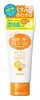
This smoothing exfoliator is formulated around Kaolin and Lactic Acid to refine skin texture and brighten dull-looking skin.
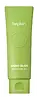
This smoothing exfoliator is formulated around Gluconolactone and Capryloyl Salicylic Acid to refine skin texture and brighten dull-looking skin.


What's inside
What's inside
 Key Ingredients
Benefits
Concerns
Ingredients Side-by-side
Water
Skin ConditioningSteartrimonium Chloride
Preservative
Carbomer
Emulsion StabilisingAlcohol
Antimicrobial




Disodium Ascorbyl Sulfate
Antioxidant

Kaolin
Abrasive



Lactic Acid
Buffering





Citric Acid
Buffering
Malic Acid
Buffering
Caesalpinia Spinosa Fruit Extract
Skin ProtectingAllantoin
Skin Conditioning



Camellia Sinensis Leaf Extract
Antimicrobial
Glucose
Humectant
Butylene Glycol
Humectant
Dipropylene Glycol
HumectantIron Oxides
Parfum
Masking

Vigna Radiata Seed Extract
Skin ConditioningWater
Skin ConditioningGlycerin
Humectant
Gossypium Herbaceum Powder
AbsorbentCaprylic/Capric Triglyceride
Masking
Steartrimonium Methosulfate
1,2-Hexanediol
Skin Conditioning
Polyglyceryl-10 Laurate
Skin Conditioning
Hydrogenated Poly(C6-14 Olefin)
EmollientDipropylene Glycol
HumectantAcrylates/C10-30 Alkyl Acrylate Crosspolymer
Emulsion StabilisingCoptis Japonica Extract
AntimicrobialPolyglycerin-3
Humectant
Methyl Gluceth-20
Humectant
Methyl Gluceth-10
EmulsifyingGlycereth-26
Humectant
Carbomer
Emulsion StabilisingButylene Glycol
Humectant
Lactobacillus/Soymilk Ferment Filtrate
Skin ConditioningGlycine Soja Seed Extract
Skin Conditioning
Propanediol
Solvent
Dextrin
AbsorbentDisodium EDTA
ChelatingHydrolyzed Soy Protein
Humectant
Sodium Citrate
BufferingGardenia Florida Fruit Extract
Skin ConditioningEthylhexylglycerin
Skin ConditioningPanthenol
Skin Conditioning
Hydrogenated Lecithin
Emulsifying
Allantoin
Skin Conditioning
Trisodium Phosphate
BufferingGluconolactone
Chelating
Xanthan Gum
EmulsifyingCapryloyl Salicylic Acid
Exfoliating
Sodium Hyaluronate
Humectant
Hyaluronic Acid
Humectant
Vigna Radiata Seed Extract, Water, Glycerin, Gossypium Herbaceum Powder, Caprylic/Capric Triglyceride, Steartrimonium Methosulfate, 1,2-Hexanediol, Polyglyceryl-10 Laurate, Hydrogenated Poly(C6-14 Olefin), Dipropylene Glycol, Acrylates/C10-30 Alkyl Acrylate Crosspolymer, Coptis Japonica Extract, Polyglycerin-3, Methyl Gluceth-20, Methyl Gluceth-10, Glycereth-26, Carbomer, Butylene Glycol, Lactobacillus/Soymilk Ferment Filtrate, Glycine Soja Seed Extract, Propanediol, Dextrin, Disodium EDTA, Hydrolyzed Soy Protein, Sodium Citrate, Gardenia Florida Fruit Extract, Ethylhexylglycerin, Panthenol, Hydrogenated Lecithin, Allantoin, Trisodium Phosphate, Gluconolactone, Xanthan Gum, Capryloyl Salicylic Acid, Sodium Hyaluronate, Hyaluronic Acid
Reviews
Ingredients Explained
These ingredients are found in both products.
Ingredients higher up in an ingredient list are typically present in a larger amount.
Allantoin is a soothing ingredient known for its protective and moisturizing properties; it's basically a quiet workhorse ingredient you can find in a huge range of cosmetics.
Though it can be derived from the comfrey plant, allantoin is produced synthetically for cosmetic products to ensure purity.
Research shows it can encourage your skin cells to turn over and renew by stimulating keratinocyte and fibroblast proliferation.
It also has mild keratolytic properties to help loosen and shed dead skin cells without being harsh.
Studies also suggest allantoin can help calm inflammation by dialing down some of the chemical signals your skin sends out when it is irritated.
This ingredient is typically used in the 0.1-0.5% range, and the FDA recognizes it as a skin protectant in OTC products up to 2%.
Overall, allantoin is a wonderful addition to most routines; it is stable across a wide pH range (~4-8), works well with other ingredients, and is considered non-sensitizing/non-irritating.
Fun fact: Allantoin is naturally occurring in comfrey root, beets, chamomile, and wheat sprouts. Our bodies even produce it as a byproduct of uric acid metabolism.
Learn more about AllantoinButylene Glycol (or BG) is used within cosmetic products for a few different reasons:
Overall, Butylene Glycol is a safe and well-rounded ingredient that works well with other ingredients.
Though this ingredient works well with most skin types, some people with sensitive skin may experience a reaction such as allergic rashes, closed comedones, or itchiness.
Learn more about Butylene GlycolCarbomer is a synthetic thickening and gelling agent. It's basically the ingredient that gives a lot of serums, gels, creams, and sunscreens their smooth, non-sticky texture.
Although legally permitted at very high levels, carbomers are normally used at concentrations below 1%.
It also needs to be neutralized to actually thicken, and because it is a large molecule, it doesn't really penetrate the skin barrier.
Allergy-wise, the risk is very low. Clinical studies show carbomers have low potential for skin irritation/sensitization even at concentrations up to 100%.
A 2024 UK study patch-tested 1,302 patients and found true allergy to the parent group of carbomer to be rare with no confirmed relevant reactions.
Learn more about CarbomerDipropylene Glycol is a synthetically created humectant, stabilizer, and solvent.
This ingredient helps:
Dipropylene glycol is technically an alcohol, but it belongs to the glycol family (often considered part of the ‘good’ alcohols). This means it is hydrating and gentle on skin unlike drying solvent alcohols like denatured alcohol.
As a masking agent, Dipropylene Glycol can be used to cover the smell of other ingredients. However, it does not have a scent.
Studies show Dipropylene Glycol is considered safe to use in skincare.
Learn more about Dipropylene GlycolWater. It's the most common cosmetic ingredient of all. You'll usually see it at the top of ingredient lists, meaning that it makes up the largest part of the product.
So why is it so popular? Water most often acts as a solvent - this means that it helps dissolve other ingredients into the formulation.
You'll also recognize water as that liquid we all need to stay alive. If you see this, drink a glass of water. Remember to stay hydrated!
Learn more about Water

