

What's inside
What's inside
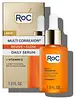 Key Ingredients
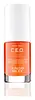
Benefits
Concerns
Ingredients Side-by-side
Water
Skin ConditioningPropanediol
Solvent

PPG-24-Glycereth-24
EmulsifyingGlycerin
Humectant
3-O-Ethyl Ascorbic Acid
Skin Conditioning



Troxerutin
Skin Conditioning
Cistus Monspeliensis Flower/Leaf/Stem Extract
Nonapeptide-1
Skin Conditioning
Polygonum Aviculare Extract
EmollientTerminalia Ferdinandiana Fruit Extract
Antioxidant
PEG-40 Hydrogenated Castor Oil
Emulsifying

Sodium Polyacryloyldimethyl Taurate
Emulsion StabilisingPPG-26-Buteth-26
Skin ConditioningMaltodextrin
Absorbent
Caprylyl Glycol
Emollient
Potassium Sorbate
Preservative
Sodium Phosphate
BufferingSodium Benzoate
Masking
1,2-Hexanediol
Skin Conditioning
Tetrasodium EDTA
Disodium Phosphate
BufferingCitric Acid
Buffering


Caprylhydroxamic Acid
Parfum
Masking


Limonene
Perfuming

Linalool
Perfuming
Citral
Perfuming
CI 15985
Cosmetic ColorantWater, Propanediol, PPG-24-Glycereth-24, Glycerin, 3-O-Ethyl Ascorbic Acid, Troxerutin, Cistus Monspeliensis Flower/Leaf/Stem Extract, Nonapeptide-1, Polygonum Aviculare Extract, Terminalia Ferdinandiana Fruit Extract, PEG-40 Hydrogenated Castor Oil, Sodium Polyacryloyldimethyl Taurate, PPG-26-Buteth-26, Maltodextrin, Caprylyl Glycol, Potassium Sorbate, Sodium Phosphate, Sodium Benzoate, 1,2-Hexanediol, Tetrasodium EDTA, Disodium Phosphate, Citric Acid, Caprylhydroxamic Acid, Parfum, Limonene, Linalool, Citral, CI 15985
Water
Skin ConditioningTetrahexyldecyl Ascorbate
Antioxidant
Squalane
Emollient
Polyglyceryl-6 Distearate
Emulsifying
PEG-8 Beeswax
Emulsifying
PPG-12/Smdi Copolymer
EmollientGlycine Soja Sterols
Emollient
Sodium Phytate
Tocopherol
Antioxidant

Acetamidoethoxyethanol
Humectant
Hydroxyethyl Acrylate/Sodium Acryloyldimethyl Taurate Copolymer
Emulsion StabilisingSodium Acrylate/Sodium Acryloyldimethyl Taurate Copolymer
Emulsion StabilisingJojoba Esters
Emollient
Glycolic Acid
Buffering


Caprylyl Glycol
Emollient
Cetyl Alcohol
Emollient
Polyglyceryl-3 Beeswax
Emulsifying
Chlorphenesin
Antimicrobial
Glycerin
Humectant
Polysorbate 60
Emulsifying
Sorbitan Isostearate
Emulsifying
Saccharide Isomerate
Humectant
Citrus Aurantium Dulcis Peel Oil
Masking
Citrus Tangerina Peel Oil
Masking
Linalool
Perfuming
Limonene
Perfuming
Phenoxyethanol
Preservative
Water, Tetrahexyldecyl Ascorbate, Squalane, Polyglyceryl-6 Distearate, PEG-8 Beeswax, PPG-12/Smdi Copolymer, Glycine Soja Sterols, Sodium Phytate, Tocopherol, Acetamidoethoxyethanol, Hydroxyethyl Acrylate/Sodium Acryloyldimethyl Taurate Copolymer, Sodium Acrylate/Sodium Acryloyldimethyl Taurate Copolymer, Jojoba Esters, Glycolic Acid, Caprylyl Glycol, Cetyl Alcohol, Polyglyceryl-3 Beeswax, Chlorphenesin, Glycerin, Polysorbate 60, Sorbitan Isostearate, Saccharide Isomerate, Citrus Aurantium Dulcis Peel Oil, Citrus Tangerina Peel Oil, Linalool, Limonene, Phenoxyethanol
Reviews
Ingredients Explained
These ingredients are found in both products.
Ingredients higher up in an ingredient list are typically present in a larger amount.
Caprylyl Glycol is a humectant, skin conditioner, emollient, and preservative booster derived from either caprylic acid or synthetically created.
Typical use levels vary from 0.3-1% as a preservative booster and go up to 2% to condition skin.
Because it is not a free-fatty acid or alcohol, this ingredient is fungal acne safe (there's nothing for Malassezia to feed on).
Learn more about Caprylyl GlycolGlycerin (or glycerol) is a compound naturally found in your skin. It's a powerhouse humectant that pulls water into the stratum corneum.
Topically, glycerin does several things at once:
Your skin makes glycerin on its own (mostly from sebaceous oil breakdown) and shuttles it to your outermost layer of skin, or your epidermis, via aquaporin-3.
Aquaporin-3 is a transporter that is essential for normal skin hydration, elasticity, and repair. Interestingly, mice lacking in AQP3 have dry and less elastic skin that can be fully corrected with glycerin.
This ingredient is non-irritating, plays well with almost every ingredient, and works across all skin types. Typical use is anywhere between 3-10% but can go up to 79% in some leave-on products.
Just know very high concentrations (>40%) can feel tacky in low humidity.
Glycerin is the name for this ingredient in American English. British English uses Glycerol/Glycerine.
Learn more about GlycerinLimonene is a fragrance that adds scent and taste to a formulation.
It's found in the peel oil of citrus fruits and other plants such as lavender and eucalyptus. The scent of limonene is generally described as "sweet citrus".
Limonene acts as an antioxidant, meaning it helps neutralize free radicals.
When exposed to air, oxidized limonene may sensitize the skin. Because of this, limonene is often avoided by people with sensitive skin.
The term 'fragrance' is not regulated in many countries. In many cases, it is up to the brand to define this term. For instance, many brands choose to label themselves as "fragrance-free" because they are not using synthetic fragrances. However, their products may still contain ingredients such as essential oils that are considered a fragrance.
Learn more about LimoneneLinalool is a fragrance and helps add scent to products. It's derived from common plants such as cinnamon, mint, citrus, and lavender.
Like Limonene, this ingredient oxidizes when exposed to air. Oxidized linalool can cause allergies and skin sensitivity.
This ingredient has a scent that is floral, spicy tropical, and citrus-like.
Learn more about LinaloolWater. It's the most common cosmetic ingredient of all. You'll usually see it at the top of ingredient lists, meaning that it makes up the largest part of the product.
So why is it so popular? Water most often acts as a solvent - this means that it helps dissolve other ingredients into the formulation.
You'll also recognize water as that liquid we all need to stay alive. If you see this, drink a glass of water. Remember to stay hydrated!
Learn more about Water
