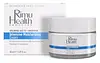
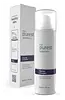
Rimu Health Products Intensive Moisturizing Cream (Hyaluronic Acid + Niacinamide) Versus The Purest Solutions Peptide Complex Serum
This barrier-repair moisturizer is formulated around Panthenol and Niacinamide to strengthen the skin barrier and hydrate skin.
This anti-aging serum is formulated around Sodium Hyaluronate and Acetyl Hexapeptide-8 to soften the look of wrinkles and hydrate skin.

What's inside
What's inside
 Key Ingredients
Benefits
Concerns
Ingredients Side-by-side
Water
Skin ConditioningSodium Polyacrylate
Absorbent
Trideceth-6
EmulsifyingHydrogenated Polydecene
EmollientGlycerin
Humectant

Panthenol
Skin Conditioning

Propylene Glycol
Humectant

Phenoxyethanol
Preservative
Ethylhexylglycerin
Skin ConditioningNiacinamide
Smoothing







Hyaluronic Acid
Humectant
Allantoin
Skin Conditioning
Caffeine
Skin Conditioning
Citric Acid
Buffering
Persea Gratissima Leaf Extract
Skin ConditioningRosmarinus Officinalis Leaf Extract
AntimicrobialEquisetum Arvense Extract
AstringentSalvia Officinalis Leaf Extract
CleansingPisum Sativum Sprout Extract
Skin ConditioningRosa Canina Leaf Extract
Skin ConditioningOlea Europaea Leaf Extract
Perfuming
Water, Sodium Polyacrylate, Trideceth-6, Hydrogenated Polydecene, Glycerin, Panthenol, Propylene Glycol, Phenoxyethanol, Ethylhexylglycerin, Niacinamide, Hyaluronic Acid, Allantoin, Caffeine, Citric Acid, Persea Gratissima Leaf Extract, Rosmarinus Officinalis Leaf Extract, Equisetum Arvense Extract, Salvia Officinalis Leaf Extract, Pisum Sativum Sprout Extract, Rosa Canina Leaf Extract, Olea Europaea Leaf Extract
Water
Skin ConditioningPhenethyl Alcohol
MaskingPropylene Glycol
Humectant
Cetearyl Isononanoate
Emollient
Sodium Polyacrylate
Absorbent
Propanediol
Solvent
1,2-Hexanediol
Skin Conditioning
Cetearyl Alcohol
Emollient



Ceteareth-20
Cleansing
Glycerin
Humectant
Hydrogenated Polydecene
EmollientGlyceryl Stearate
Emollient
Trideceth-6
EmulsifyingAcmella Oleracea Extract
Skin ProtectingCeteareth-12
EmulsifyingCetyl Palmitate
Emollient
Sodium PCA
Humectant
Pentylene Glycol
Skin Conditioning
Erythritol
Humectant
Ethylhexylglycerin
Skin ConditioningCaprylyl Glycol
Emollient
Carrageenan
Sodium Acetylated Hyaluronate
Humectant
Sodium Hyaluronate
Humectant
Xanthan Gum
EmulsifyingSodium Hyaluronate Crosspolymer
Humectant
Acetyl Hexapeptide-8
Humectant
Hydrolyzed Sodium Hyaluronate
Skin Conditioning
Water, Phenethyl Alcohol, Propylene Glycol, Cetearyl Isononanoate, Sodium Polyacrylate, Propanediol, 1,2-Hexanediol, Cetearyl Alcohol, Ceteareth-20, Glycerin, Hydrogenated Polydecene, Glyceryl Stearate, Trideceth-6, Acmella Oleracea Extract, Ceteareth-12, Cetyl Palmitate, Sodium PCA, Pentylene Glycol, Erythritol, Ethylhexylglycerin, Caprylyl Glycol, Carrageenan, Sodium Acetylated Hyaluronate, Sodium Hyaluronate, Xanthan Gum, Sodium Hyaluronate Crosspolymer, Acetyl Hexapeptide-8, Hydrolyzed Sodium Hyaluronate
Ingredients Explained
These ingredients are found in both products.
Ingredients higher up in an ingredient list are typically present in a larger amount.
Ethylhexylglycerin is created from glycerin. It is a multitasker ingredient that:
The CIR Expert Panel found minimal skin absorption or sensitization of any kind in a safety assessment. Though this ingredient is considered well-tolerated, a small number of cases of allergic dermatitis have been published since 2002. Just be sure to patch test if you are unsure.
Industry-reported use ranges from 8% in rinse-off products and 2% in leave-on formulations.
Learn more about EthylhexylglycerinGlycerin (or glycerol) is a compound naturally found in your skin. It's a powerhouse humectant that pulls water into the stratum corneum.
Topically, glycerin does several things at once:
Your skin makes glycerin on its own (mostly from sebaceous oil breakdown) and shuttles it to your outermost layer of skin, or your epidermis, via aquaporin-3.
Aquaporin-3 is a transporter that is essential for normal skin hydration, elasticity, and repair. Interestingly, mice lacking in AQP3 have dry and less elastic skin that can be fully corrected with glycerin.
This ingredient is non-irritating, plays well with almost every ingredient, and works across all skin types. Typical use is anywhere between 3-10% but can go up to 79% in some leave-on products.
Just know very high concentrations (>40%) can feel tacky in low humidity.
Glycerin is the name for this ingredient in American English. British English uses Glycerol/Glycerine.
Learn more about GlycerinHydrogenated Polydecene is a synthetic emollient. It forms a non-occlusive film on the skin's surface to provide a silky feel without being greasy.
In vivo studies in volunteers with atopic and dry skin showed no irritation or intolerance. The volunteers also saw a positive effect in dryness, scaling, and roughness after 28 days of use.
Concentrations up to 100% in guinea pig tests found it to be non-sensitizing and completely safe for use in cosmetics.
Learn more about Hydrogenated PolydecenePropylene Glycol is a synthetic, colorless, odorless liquid that has been a staple in cosmetics for decades. It is a skin conditioning agent, humectant, and solvent.
As a humectant, it draw water to the skin to reduce flaking and restore suppleness. It's also a solvent that helps dissolve other actives and keeps formulas stable across temperature changes.
The CIR Expert Panel has confirmed this ingredient to be nontoxic and clinical studies show no sensitization at cosmetic use concentrations.
True allergic reactions are quite rare: a 15-year retrospective study of 6,751 patients found only 0.31% had a positive reaction (and less than half were considered clinically relevant).
It seemed that when sensitization does occur, it's most commonly linked to topical medication (like corticosteroids) and not cosmetics. Allergic contact dermatitis also appears largely limited to individuals with underlying skin conditions.
Overall, propylene glycol is a well-studied ingredient that most people can tolerate without issue.
Learn more about Propylene GlycolSodium Polyacrylate is the sodium salt of polyacrylic acid. It is used as an absorber, emollient, and stabilizer.
This ingredient is a super-absorbent polymer - meaning it can absorb 100 to 1000 times its mass in water. As an emollient, Sodium Polyacrylate helps soften and soothe skin. Emollients work by creating a barrier to trap moisture in. This helps keep your skin hydrated.
We don't have a description for Trideceth-6 yet.
Water. It's the most common cosmetic ingredient of all. You'll usually see it at the top of ingredient lists, meaning that it makes up the largest part of the product.
So why is it so popular? Water most often acts as a solvent - this means that it helps dissolve other ingredients into the formulation.
You'll also recognize water as that liquid we all need to stay alive. If you see this, drink a glass of water. Remember to stay hydrated!
Learn more about Water


