

What's inside
What's inside
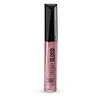 Key Ingredients
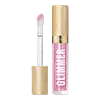
Benefits
Concerns
Ingredients Side-by-side
Polybutene
Hydrogenated Polyisobutene
EmollientParaffinum Liquidum
Emollient


Ethylhexyl Palmitate
Emollient



Lanolin Oil
Emollient
Ethylene/Propylene/Styrene Copolymer
Calcium Aluminum Borosilicate
Ethylhexyl Methoxycinnamate
UV Absorber

Polyethylene
Abrasive
Synthetic Fluorphlogopite
Phenoxyethanol
Preservative
Silica
Abrasive

Tocopheryl Acetate
Antioxidant


Butylene/Ethylene/Styrene Copolymer
Butyl Methoxydibenzoylmethane
UV Absorber
Calcium Sodium Borosilicate
Argania Spinosa Kernel Oil
Emollient



Methylparaben
Preservative
Parfum
Masking

Propylparaben
Preservative
Ethylparaben
Preservative
Linalool
Perfuming
Tin Oxide
Abrasive
BHT
Antioxidant
Hydroxycitronellal
Perfuming
Hexyl Cinnamal
Perfuming
Mica
Cosmetic ColorantCI 77891
Cosmetic ColorantCI 45410
Cosmetic ColorantIron Oxides
CI 19140
Cosmetic ColorantCI 15850
Cosmetic ColorantCI 17200
Cosmetic ColorantCI 42090
Cosmetic ColorantCI 15985
Cosmetic ColorantCI 75470
Cosmetic ColorantPolybutene, Hydrogenated Polyisobutene, Paraffinum Liquidum, Ethylhexyl Palmitate, Lanolin Oil, Ethylene/Propylene/Styrene Copolymer, Calcium Aluminum Borosilicate, Ethylhexyl Methoxycinnamate, Polyethylene, Synthetic Fluorphlogopite, Phenoxyethanol, Silica, Tocopheryl Acetate, Butylene/Ethylene/Styrene Copolymer, Butyl Methoxydibenzoylmethane, Calcium Sodium Borosilicate, Argania Spinosa Kernel Oil, Methylparaben, Parfum, Propylparaben, Ethylparaben, Linalool, Tin Oxide, BHT, Hydroxycitronellal, Hexyl Cinnamal, Mica, CI 77891, CI 45410, Iron Oxides, CI 19140, CI 15850, CI 17200, CI 42090, CI 15985, CI 75470
Hydrogenated Polyisobutene
EmollientPolybutene
Tridecyl Trimellitate
EmollientSilica Silylate
Emollient
Cetyl PEG/PPG-10/1 Dimethicone
Emulsifying
Hexyl Laurate
Emollient
Polyglyceryl-4 Isostearate
Emulsifying
Ethylene/Propylene/Styrene Copolymer
Butylene/Ethylene/Styrene Copolymer
Calcium Sodium Borosilicate
Agave Rigida Extract
Anemarrhena Asphodeloides Root Extract
Skin Conditioning
Water
Skin ConditioningCalcium Aluminum Borosilicate
Caprylic/Capric Triglyceride
Masking
Glycerin
Humectant
CI 77491
Cosmetic ColorantMica
Cosmetic ColorantMoringa Oleifera Seed Oil
Emollient
Mother Of Pearl
Abrasive
Parfum
Masking
Rayon
Shellac
EmollientSilica
Abrasive
Synthetic Fluorphlogopite
Theobroma Grandiflorum Seed Butter
Skin Conditioning
Urea
Buffering

Benzoic Acid
Masking
BHT
Antioxidant
Tin Oxide
Abrasive
CI 45410
Cosmetic ColorantCI 77891
Cosmetic ColorantCI 19140
Cosmetic ColorantVanillin
Masking
Hydrogenated Polyisobutene, Polybutene, Tridecyl Trimellitate, Silica Silylate, Cetyl PEG/PPG-10/1 Dimethicone, Hexyl Laurate, Polyglyceryl-4 Isostearate, Ethylene/Propylene/Styrene Copolymer, Butylene/Ethylene/Styrene Copolymer, Calcium Sodium Borosilicate, Agave Rigida Extract, Anemarrhena Asphodeloides Root Extract, Water, Calcium Aluminum Borosilicate, Caprylic/Capric Triglyceride, Glycerin, CI 77491, Mica, Moringa Oleifera Seed Oil, Mother Of Pearl, Parfum, Rayon, Shellac, Silica, Synthetic Fluorphlogopite, Theobroma Grandiflorum Seed Butter, Urea, Benzoic Acid, BHT, Tin Oxide, CI 45410, CI 77891, CI 19140, Vanillin
Ingredients Explained
These ingredients are found in both products.
Ingredients higher up in an ingredient list are typically present in a larger amount.
BHT is a synthetic antioxidant and preservative.
As an antioxidant, it helps your body fight off free-radicals. Free-radicals are molecules that may damage your skin cells.
As a preservative, it is used to stabilize products and prevent them from degrading. Specifically, BHT prevents degradation from oxidation.
The concerns related to BHT come from oral studies; this ingredient is currently allowed for use by both the FDA and EU.
However, it was recently restricted for use in the UK as of April 2024.
Learn more about BHTThis ingredient is a high-molecular weight synthetic polymer. It is used to modify the viscosity of a formula, improve slip, and create a more "cushiony" texture.
Due to its large molecular size, this ingredient is not absorbed into the skin.
Calcium Aluminum Borosilicate is made up of calcium, aluminum, and silicates. It is a glass-like material. In cosmetics, it comes in the form of flakes or microspheres.
Calcium aluminum borosilicate is a bulking agent, meaning it helps thicken a product.
This ingredient is created by slowly mixing several minerals, including kaolin clay.
Although “aluminum” in an ingredient name can raise red flags for some consumers, the form and usage context matter significantly. For typical topical applications, there is no substantial evidence of health risks - such as cancer, neurotoxicity, or systemic “aluminum overload.”
Learn more about Calcium Aluminum BorosilicateCalcium Sodium Borosilicate is a bulking agent. It is considered a borosilicate glass; it is composed of powder or flakes of calcium and sodium borosilicates.
This ingredient is used to add volume, shine, and color to products. You'll most likely find this ingredient in makeup products.
According to in-vivo and ex-vivo studies done by a manufacturer, this ingredient works well with UV filters:
Learn more about Calcium Sodium BorosilicateCI 19140 is also known as Tartrazine. Tartrazine is a synthetic dye used in cosmetics, foods, and medicine to add a yellow color.
Tartrazine is created from petroleum and is water-soluble.
Some people may experience allergies from this dye, especially asthmatics and those with an aspirin intolerance.
Learn more about CI 19140CI 45410 is a synthetic red-pigment and dye.
It often goes by both Red 28 or Red 27; manufacturers label both ingredients as CI 45410.
This dye is commonly found in makeup because it imparts a vivid color. Some types of this dye change color based on pH level and interaction with moisture:
Your skin has a natural pH of around 4.5 - 5.5.
According to the FDA, CI 45410 is not permitted for use in eye products.
Red 27 is a flourescein dye and commonly used as a fluorescent tracer in medicine.
Learn more about CI 45410Ci 77891 is a white pigment from Titanium dioxide. It is naturally found in minerals such as rutile and ilmenite.
It's main function is to add a white color to cosmetics. It can also be mixed with other colors to create different shades.
Ci 77891 is commonly found in sunscreens due to its ability to block UV rays.
Learn more about CI 77891This is a synthetic polymer used to thicken formulas, improve texture, and enhance spreadability.
Due to its large molecule size, this ingredient does not penetrate the skin and is considered well-tolerated.
Hydrogenated Polyisobutene is a synthetic polymer. Polymers are compounds with high molecular weight. Hydrogenated Polyisobutene is an emollient and texture enhancer.
In one study, Hydrogenated Polyisobutene showed better skin hydration levels than Caprylic/Capric Triglyceride. As an emollient, it helps keep your skin soft and hydrated by trapping moisture in.
Hydrogenated Polyisobutene is often used as a mineral oil replacement.
Learn more about Hydrogenated PolyisobuteneMica is a naturally occurring mineral used to add shimmer and color in cosmetics. It can also help improve the texture of a product or give it an opaque, white/silver color.
Serecite is the name for very fine but ragged grains of mica.
This ingredient is often coated with metal oxides like titanium dioxide. Trace amounts of heavy metals may be found in mica, but these metals are not harmful in our personal products.
Mica has been used since prehistoric times throughout the world. Ancient Egyptian, Indian, Greek, Roman, Aztec, and Chinese civilizations have used mica.
Learn more about MicaParfum is a catch-all term for an ingredient or more that is used to give a scent to products.
Also called "fragrance", this ingredient can be a blend of hundreds of chemicals or plant oils. This means every product with "fragrance" or "parfum" in the ingredients list is a different mixture.
For instance, Habanolide is a proprietary trade name for a specific aroma chemical. When used as a fragrance ingredient in cosmetics, most aroma chemicals fall under the broad labeling category of “FRAGRANCE” or “PARFUM” according to EU and US regulations.
The term 'parfum' or 'fragrance' is not regulated in many countries. In many cases, it is up to the brand to define this term.
For instance, many brands choose to label themselves as "fragrance-free" because they are not using synthetic fragrances. However, their products may still contain ingredients such as essential oils that are considered a fragrance by INCI standards.
One example is Calendula flower extract. Calendula is an essential oil that still imparts a scent or 'fragrance'.
Depending on the blend, the ingredients in the mixture can cause allergies and sensitivities on the skin. Some ingredients that are known EU allergens include linalool and citronellol.
Parfum can also be used to mask or cover an unpleasant scent.
The bottom line is: not all fragrances/parfum/ingredients are created equally. If you are worried about fragrances, we recommend taking a closer look at an ingredient. And of course, we always recommend speaking with a professional.
Learn more about ParfumPolybutene is used to help control the viscosity of a product. This just means it helps adjusts the texture.
It is a polymer and does not get absorbed into the skin due to its large size.
Studies found this ingredient did not irritate skin in concentrations below 15%.
Learn more about PolybuteneSilica, also known as silicon dioxide, is a naturally occurring mineral. It is used as a fine, spherical, and porous powder in cosmetics.
Though it has exfoliant properties, the function of silica varies depending on the product.
The unique structure of silica enhances the spreadability and adds smoothness, making it a great texture enhancer.
It is also used as an active carrier, emulsifier, and mattifier due to its ability to absorb excess oil.
In some products, tiny microneedles called spicules are made from silica or hydrolyzed sponge. When you rub them in, they lightly polish away dead skin layers and enhance the penetration of active ingredients.
Learn more about SilicaSynthetic Fluorphlogopite is the synthethic version of mica. It consists of fluorine, aluminum and silicate.
Synthetic Fluorphlogopite is used to add volume to products.
It is considered non-irritating on the skin.
Learn more about Synthetic FluorphlogopiteTin Oxide is an inorganic oxide used to add opacity and volume to a product. In nature, it is already found in mineral form. The main ore of tin is an opaque and shiny mineral called casseterite.
Tin Oxide helps remove translucency in a product, or make it more opaque. Besides adding opacity, tin oxide is used for bulking to add volume.


