rhode Pocket Blush Versus Canmake Cream Cheek


What's inside
What's inside
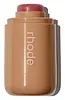 Key Ingredients
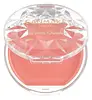
Benefits
Concerns
Ingredients Side-by-side
Octyldodecanol
Emollient
Synthetic Wax
Abrasive

Hydrogenated Polyisobutene
EmollientCetyl Ethylhexanoate
EmollientPolyglyceryl-2 Triisostearate
Emulsifying

Bis-Diglyceryl Polyacyladipate-2
Emollient
Hydrogenated Poly(C6-14 Olefin)
EmollientKaolin
Abrasive


Silica
Abrasive
Magnesium/Potassium/Silicon/Fluoride/Hydroxide/Oxide
Glycerin
Humectant

Calophyllum Inophyllum Seed Oil
Antimicrobial



Palmitoyl Tripeptide-1
Skin Conditioning


Palmitoyl Tripeptide-5
Skin Conditioning
Caprylyl Glycol
Emollient
Caprylic/Capric Triglyceride
Masking
Glyceryl Caprylate
EmollientPentaerythrityl Tetraisostearate
Emollient
Aluminum Hydroxide
EmollientTriethoxycaprylylsilane

Water
Skin ConditioningPropylene Carbonate
SolventLauryl Polyglyceryl-3 Polydimethylsiloxyethyl Dimethicone
Skin Conditioning
Stearalkonium Hectorite
Gel FormingEthylhexylglycerin
Skin ConditioningCI 77891
Cosmetic ColorantOctyldodecanol, Synthetic Wax, Hydrogenated Polyisobutene, Cetyl Ethylhexanoate, Polyglyceryl-2 Triisostearate, Bis-Diglyceryl Polyacyladipate-2, Hydrogenated Poly(C6-14 Olefin), Kaolin, Silica, Magnesium/Potassium/Silicon/Fluoride/Hydroxide/Oxide, Glycerin, Calophyllum Inophyllum Seed Oil, Palmitoyl Tripeptide-1, Palmitoyl Tripeptide-5, Caprylyl Glycol, Caprylic/Capric Triglyceride, Glyceryl Caprylate, Pentaerythrityl Tetraisostearate, Aluminum Hydroxide, Triethoxycaprylylsilane, Water, Propylene Carbonate, Lauryl Polyglyceryl-3 Polydimethylsiloxyethyl Dimethicone, Stearalkonium Hectorite, Ethylhexylglycerin, CI 77891
Isotridecyl Isononanoate
EmollientSqualane
Emollient
Dimethicone
Emollient
Dextrin Palmitate
Emulsifying
Methicone Crosspolymer
SurfactantPolyglyceryl-2 Triisostearate
Emulsifying
Vinyl Dimethicone/Methicone Silsesquioxane Crosspolymer
Sorbitan Sesquiisostearate
Emulsifying
Dimethicone/Vinyl Dimethicone Crosspolymer
Skin Conditioning
Silica Dimethyl Silylate
EmollientTocopherol
Antioxidant


Phytosteryl/Octyldodecyl Lauroyl Glutamate
Skin ConditioningHydrogen Dimethicone
Dimethiconyl Silicate
CI 19140
Cosmetic ColorantTitanium Dioxide
Cosmetic Colorant

Mica
Cosmetic ColorantSilica
Abrasive
CI 15850
Cosmetic ColorantIron Oxides
Aluminum Hydroxide
EmollientIsotridecyl Isononanoate, Squalane, Dimethicone, Dextrin Palmitate, Methicone Crosspolymer, Polyglyceryl-2 Triisostearate, Vinyl Dimethicone/Methicone Silsesquioxane Crosspolymer, Sorbitan Sesquiisostearate, Dimethicone/Vinyl Dimethicone Crosspolymer, Silica Dimethyl Silylate, Tocopherol, Phytosteryl/Octyldodecyl Lauroyl Glutamate, Hydrogen Dimethicone, Dimethiconyl Silicate, CI 19140, Titanium Dioxide, Mica, Silica, CI 15850, Iron Oxides, Aluminum Hydroxide
Reviews
Ingredients Explained
These ingredients are found in both products.
Ingredients higher up in an ingredient list are typically present in a larger amount.
Aluminum Hydroxide is a form of aluminum. It can be naturally found in nature as the mineral gibbsite. In cosmetics, Aluminum Hydroxide is used as a colorant, pH adjuster, and absorbent.
As a colorant, Aluminum Hydroxide may add opacity, or reduce the transparency. Aluminum hydroxide is contains both basic and acidic properties.
According to manufacturers, this ingredient is an emollient and humectant. This means it helps hydrate the skin.
In medicine, this ingredient is used to help relieve heartburn and help heal ulcers.
There is currently no credible scientific evidence linking aluminum hydroxide in cosmetics to increased cancer risk.
Major health organizations allow the use of aluminum hydroxide in personal care products and have not flagged it as a carcinogenic risk at typical usage levels.
Learn more about Aluminum HydroxidePolyglyceryl-2 Triisostearate is a plant-derived emulsifier and pigment-dispersing agent with a non-sticky skin feel.
It helps products glide on smoothly and prevents oil and water from separating in a formula, making it suitable for sunscreen and makeup formulations.
The EU inventory of cosmetics has no use restrictions on this ingredient and it is considered well-tolerated.
This ingredient may not be fungal acne safe because it is derived from isostearic acid.
Learn more about Polyglyceryl-2 TriisostearateSilica, also known as silicon dioxide, is a naturally occurring mineral. It is used as a fine, spherical, and porous powder in cosmetics.
Though it has exfoliant properties, the function of silica varies depending on the product.
The unique structure of silica enhances the spreadability and adds smoothness, making it a great texture enhancer.
It is also used as an active carrier, emulsifier, and mattifier due to its ability to absorb excess oil.
In some products, tiny microneedles called spicules are made from silica or hydrolyzed sponge. When you rub them in, they lightly polish away dead skin layers and enhance the penetration of active ingredients.
Learn more about Silica

