
What's inside
What's inside
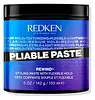 Benefits
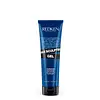
Concerns
Ingredients Side-by-side
Water
Skin ConditioningButylene Glycol
Humectant

Steareth-20
CleansingCetearyl Alcohol
Emollient






Pvp
Emulsion StabilisingPPG-5-Ceteth-20
EmulsifyingPEG-100 Stearate
Surfactant
Glyceryl Stearate
Emollient
Dimethicone
Emollient

Propylene Glycol Ceteth-3 Acetate
EmollientPhenoxyethanol
Preservative
PEG-150 Pentaerythrityl Tetrastearate
Emulsifying
Parfum
Masking


Methylparaben
Preservative

Guar Hydroxypropyltrimonium Chloride
Skin ConditioningEthylparaben
Preservative
PEG-90m
Emulsion StabilisingDisodium EDTA
ChelatingHexyl Cinnamal
Perfuming
Benzyl Salicylate
Perfuming
Hydroxypropyltrimonium Hydrolyzed Wheat Protein
Skin ConditioningLimonene
Perfuming
Linalool
Perfuming
Benzyl Alcohol
Perfuming
Butylphenyl Methylpropional
Perfuming
Citronellol
Perfuming
Geraniol
Perfuming
Coumarin
Perfuming
CI 42090
Cosmetic ColorantCI 17200
Cosmetic ColorantWater, Butylene Glycol, Steareth-20, Cetearyl Alcohol, Pvp, PPG-5-Ceteth-20, PEG-100 Stearate, Glyceryl Stearate, Dimethicone, Propylene Glycol Ceteth-3 Acetate, Phenoxyethanol, PEG-150 Pentaerythrityl Tetrastearate, Parfum, Methylparaben, Guar Hydroxypropyltrimonium Chloride, Ethylparaben, PEG-90m, Disodium EDTA, Hexyl Cinnamal, Benzyl Salicylate, Hydroxypropyltrimonium Hydrolyzed Wheat Protein, Limonene, Linalool, Benzyl Alcohol, Butylphenyl Methylpropional, Citronellol, Geraniol, Coumarin, CI 42090, CI 17200
Water
Skin ConditioningPvp
Emulsion StabilisingAmp-Acrylates/Allyl Methacrylate Copolymer
Sorbitol
Humectant
PEG-14 Dimethicone
Skin Conditioning
PEG-40 Hydrogenated Castor Oil
Emulsifying
Acrylates/C10-30 Alkyl Acrylate Crosspolymer
Emulsion StabilisingPropylene Glycol
Humectant
Aminomethyl Propanol
BufferingPhenoxyethanol
Preservative
Caprylyl Glycol
Emollient
Polysorbate 80
Emulsifying
Methylparaben
Preservative
Limonene
Perfuming
Ethylparaben
Preservative
Citrus Aurantium Dulcis Oil
Masking
Citrus Aurantium Dulcis Peel Oil
Masking
Citrus Grandis Peel Oil
Masking

Benzophenone-4
UV Absorber
Isoceteth-20
EmulsifyingDisodium Cocoamphodipropionate
CleansingHydroxypropyltrimonium Hydrolyzed Wheat Protein
Skin ConditioningLinoleamidopropyl Pg-Dimonium Chloride Phosphate
Beeswax
Emulsion Stabilising
Disodium EDTA
ChelatingWater, Pvp, Amp-Acrylates/Allyl Methacrylate Copolymer, Sorbitol, PEG-14 Dimethicone, PEG-40 Hydrogenated Castor Oil, Acrylates/C10-30 Alkyl Acrylate Crosspolymer, Propylene Glycol, Aminomethyl Propanol, Phenoxyethanol, Caprylyl Glycol, Polysorbate 80, Methylparaben, Limonene, Ethylparaben, Citrus Aurantium Dulcis Oil, Citrus Aurantium Dulcis Peel Oil, Citrus Grandis Peel Oil, Benzophenone-4, Isoceteth-20, Disodium Cocoamphodipropionate, Hydroxypropyltrimonium Hydrolyzed Wheat Protein, Linoleamidopropyl Pg-Dimonium Chloride Phosphate, Beeswax, Disodium EDTA
Ingredients Explained
These ingredients are found in both products.
Ingredients higher up in an ingredient list are typically present in a larger amount.
Disodium EDTA is a chelating agent. It grabs onto and deactivates metal ions that sneak into your products from water, packaging, or air.
This ingredient mainly works behind the scenes and helps with:
On top of that, this ingredient can counteract the effects of hard water by binding to the minerals in it.
One thing worth knowing is that Disodium EDTA has been shown to be a mild penetration enhancer. It can help other ingredients absorb into skin more effectively which can be a double-edged sword (great for actives, but can also make the active too strong if you have sensitive skin).
Clinical patch testing showed no significant skin irritation at typical use concentrations and minimal dermal absorption.
You'll most likely see this ingredient near the end of an ingredient list. It's typically found in concentrations less than 1%.
Learn more about Disodium EDTAEthylparaben is a preservative, is a paraben, and is not reef safe.
We don't have a description for Hydroxypropyltrimonium Hydrolyzed Wheat Protein yet.
Limonene is the compound that gives citrus peel its smell.
In skincare, it shows up as a standalone fragrance ingredient or as a natural compound of citrus and other essential oils.
You'll typically see this ingredient used in very small amounts; anything above 0.001% in a leave-on product or 0.01% in a rinse-off has to be named on the label in the EU. The citrus oils that carry it sit around 0.5-1% in a finished formula.
Fresh limonene is a weak allergen; the real issue is that it slowly reacts with air and then breaks down from oxidation to create hydroperoxides (which are strong sensitizers). This is why suppliers are required to keep the peroxide value below 20 mmol.
Positive reactions in people being investigated for eczema vary:
It's worth skipping if you have a known fragrance allergy or a compromised barrier, but the risk is low for most people.
Older or long-opened products are also more likely to bother you than fresh ones due to oxidation.
Learn more about LimoneneMethylparaben is a synthetic preservative and one of the most widely used in the world. It has a simple, but important job: prevent your products from going bad by stopping bacteria, yeast, and mold from growing.
Typical use levels are low, often 0.1-0.3%.
This is also one of the most heavily studied preservatives out there and major regulatory bodies have repeatedly given it the green light.
In 2023, the EU's Scientific Committee on Consumer Safety (SCCS) confirmed that this ingredient is safe up to 0.4% on its own, of up to 0.8% when mixed with other paraben esters.
Here's the science behind the noise behind parabens/hormones as well:
Methylparaben shows very weak estrogen-like activity in vitro tests (more than 1,000x weaker than your body's own estradiol). In vivo (live-organism) studies don't support a meaningful endocrine-disrupting effect either.
You get a stronger estrogenic effect from eating tofu, actually.
It's also a low sensitizer and allergic reactions are uncommon; they usually happen on damage or broken skin.
There is a caveat: France has proposed to formally re-examine its endocrine classification in 2025 so the regulatory conversation isn't fully closed as of yet.
But as it stands today, this ingredient is considered safe at permitted levels.
Learn more about MethylparabenPhenoxyethanol is one of the most widely used preservatives in skincare (and for good reason!).
It has a large spectrum of antimicrobial activity and especially effective bacteria, yeast, and mold while only having a weak effect on your skin's natural microbiome.
On a cellular level, it disrupts the cell membranes of microbes by poking holes that make the cell leak. This shuts down the chemical reactions the microbe needs to make energy so it can no longer survive.
Another perk of this ingredient is that it stays functional across a wide pH range (3-10).
You'll often see it paired with boosters like Ethylhexylglycerin; one study showed that a 1:9 ratio of Ethylhexylglycerin to Phenoxyethanol damages bacterial membranes as effectively as doubling the Phenoxyethanol concentration on its own.
Typical use concentrations range from 0.3-1% depending on the formula, and this ingredient is capped at 1% int the EU.
Safety-wise, the fear mongering does not hold up to the evidence. The EU's Scientific Committee on Consumer Safety and FDA consider it safe as a preservative at up to 1%, including for children of all ages.
Adverse systemic effects only showed up in animal studies at exposures roughly 200x higher than what people get from cosmetics. And despite its very widespread use, this ingredient is a rare sensitizer and allergic reactions are uncommon.
Learn more about PhenoxyethanolPvp is a water-soluble synthetic polymer and common hairstyling ingredient. It is a film-forming ingredient and used to "hold" specific shapes of hair.
In cosmetics, PVP helps products like sunscreens and color cosmetics last longer and wear more evenly.
It is less effective in high-humidity. It tends to draw moisture, but this moisture dismantles the structure and "hold".
PVP is generally well tolerated on skin and toxicity studies are negative for dermal irritation.
Learn more about PvpWater. It's the most common cosmetic ingredient of all. You'll usually see it at the top of ingredient lists, meaning that it makes up the largest part of the product.
So why is it so popular? Water most often acts as a solvent - this means that it helps dissolve other ingredients into the formulation.
You'll also recognize water as that liquid we all need to stay alive. If you see this, drink a glass of water. Remember to stay hydrated!
Learn more about Water

