Rare Beauty Soft Pinch Matte Bouncy Blush Versus Tarte Tartelette Juicy Amazonian Clay Eyeshadow Palette

What's inside
What's inside
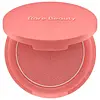 Key Ingredients
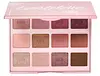
Benefits
Concerns
Ingredients Side-by-side
Synthetic Fluorphlogopite
Hexyl Laurate
Emollient

Silica
Abrasive


Dimethicone/Vinyl Dimethicone Crosspolymer
Skin Conditioning
Polymethylsilsesquioxane
Dimethicone
Emollient
Diisostearyl Malate
EmollientPhenyl Trimethicone
Skin Conditioning
Caprylic/Capric Triglyceride
Masking


Dimethicone Crosspolymer
Emulsion Stabilising
Triethoxycaprylylsilane
Methicone
Emollient
1,2-Hexanediol
Skin Conditioning
Caprylyl Glycol
Emollient
Aluminum Hydroxide
EmollientCarica Papaya Seed Oil
Humectant


Punica Granatum Seed Oil
Emollient
Rosa Rubiginosa Seed Oil
Emollient
Water
Skin ConditioningButylene Glycol
Humectant
Glycerin
Humectant
Theobroma Cacao Seed Extract
Antioxidant
CI 73360
Cosmetic ColorantCI 77891
Cosmetic ColorantCI 77492
Cosmetic ColorantCI 77491
Cosmetic ColorantCI 77499
Cosmetic ColorantSynthetic Fluorphlogopite, Hexyl Laurate, Silica, Dimethicone/Vinyl Dimethicone Crosspolymer, Polymethylsilsesquioxane, Dimethicone, Diisostearyl Malate, Phenyl Trimethicone, Caprylic/Capric Triglyceride, Dimethicone Crosspolymer, Triethoxycaprylylsilane, Methicone, 1,2-Hexanediol, Caprylyl Glycol, Aluminum Hydroxide, Carica Papaya Seed Oil, Punica Granatum Seed Oil, Rosa Rubiginosa Seed Oil, Water, Butylene Glycol, Glycerin, Theobroma Cacao Seed Extract, CI 73360, CI 77891, CI 77492, CI 77491, CI 77499
Mica
Cosmetic ColorantTalc
Abrasive
Ethylhexyl Palmitate
Emollient
Zinc Stearate
Cosmetic ColorantSodium Dehydroacetate
Preservative
Caprylyl Glycol
Emollient
Phenoxyethanol
Preservative
Vanillin
Masking

Caprylic/Capric Triglyceride
Masking
Hexylene Glycol
EmulsifyingTin Oxide
Abrasive
Vanilla Planifolia Fruit Extract
Skin Conditioning
Boron Nitride
Absorbent
Kaolin
Abrasive
Silica
Abrasive
CI 77891
Cosmetic ColorantCI 77491
Cosmetic ColorantCI 75470
Cosmetic ColorantCI 19140
Cosmetic ColorantAlumina
Abrasive
Maltodextrin
Absorbent
CI 77742
Cosmetic ColorantIron Oxides
Oryza Sativa Extract
Absorbent

Synthetic Fluorphlogopite
CI 77163
Cosmetic Colorant
CI 77007
Cosmetic ColorantCI 77510
Cosmetic ColorantCI 77400
Cosmetic ColorantTitanium Dioxide
Cosmetic Colorant

CI 77492
Cosmetic ColorantMica, Talc, Ethylhexyl Palmitate, Zinc Stearate, Sodium Dehydroacetate, Caprylyl Glycol, Phenoxyethanol, Vanillin, Caprylic/Capric Triglyceride, Hexylene Glycol, Tin Oxide, Vanilla Planifolia Fruit Extract, Boron Nitride, Kaolin, Silica, CI 77891, CI 77491, CI 75470, CI 19140, Alumina, Maltodextrin, CI 77742, Iron Oxides, Oryza Sativa Extract, Synthetic Fluorphlogopite, CI 77163, CI 77007, CI 77510, CI 77400, Titanium Dioxide, CI 77492
Ingredients Explained
These ingredients are found in both products.
Ingredients higher up in an ingredient list are typically present in a larger amount.
Caprylic/Capric Triglyceride (aka MCT Oil) is a lightweight emollient, solvent, and texture enhancer. It is considered a skin-softener by helping to prevent moisture loss.
Though it behaves like an oil, it is not technically one due to its chemical composition. One perk of this ingredient is that it is very stable, resistant to oxidation, and unlikely to go rancid.
In practice, that translates to a long shelf life and a consistently elegant skin feel.
While there is an assumption Caprylic Triglyceride can clog pores due to it being derived from coconut oil, there is no research supporting this. Just patch test if you have concerns.
Fractionated coconut oil and MCT Oil are both listed as Caprylic/Capric Triglyceride according to INCI. This is because INCI names are based on the ingredient’s final chemical composition and not its marketing name or source.
This ingredient is treated as the gold standard fungal acne safe oil. Even though it is coconut derived, the problematic lauric acid is stripped out.
This leaves just caprylic (C8) and capric (C10) acid. These chain lengths actually trend antifungal; a 2020 study found caprylic acid was enough to disrupt Malassezia furfur cell membrane, with a caprylic acid derivative damaging membrane structures at concentrations as low as 0.2%.
Learn more about Caprylic/Capric TriglycerideCaprylyl Glycol is a humectant, skin conditioner, emollient, and preservative booster derived from either caprylic acid or synthetically created.
Typical use levels vary from 0.3-1% as a preservative booster and go up to 2% to condition skin.
Because it is not a free-fatty acid, this ingredient is fungal acne safe (there's nothing for Malassezia to feed on).
Learn more about Caprylyl GlycolCi 77491 is also hydrated iron III oxide. It's sole purpose is to give a red/pink hue to products.
Iron III oxides are classified as inorganic chemicals for coloring.
Synthetically created Ci 77491 is considered safer than those naturally found. This is because the synthetically created version may contain less impurities. Iron oxides are generally non-toxic and non-allergenic.
Learn more about CI 77491CI 77492 is also hydrated iron III oxide. It's sole purpose is to give a yellow hue to products.
Iron III oxides are classified as inorganic chemicals for coloring.
Synthetically created CI 77492 is considered safer than those naturally found. This is because the synthetically created version may contain less impurities. Iron oxides are generally non-toxic and non-allergenic.
Learn more about CI 77492Ci 77891 is a white pigment from Titanium dioxide. It is naturally found in minerals such as rutile and ilmenite.
It's main function is to add a white color to cosmetics. It can also be mixed with other colors to create different shades.
Ci 77891 is commonly found in sunscreens due to its ability to block UV rays.
Learn more about CI 77891Silica, also known as silicon dioxide, is a naturally occurring mineral. It is used as a fine, spherical, and porous powder in cosmetics.
Though it has exfoliant properties, the function of silica varies depending on the product.
The unique structure of silica enhances the spreadability and adds smoothness, making it a great texture enhancer.
It is also used as an active carrier, emulsifier, and mattifier due to its ability to absorb excess oil.
In some products, tiny microneedles called spicules are made from silica or hydrolyzed sponge. When you rub them in, they lightly polish away dead skin layers and enhance the penetration of active ingredients.
Learn more about SilicaSynthetic Fluorphlogopite is the synthethic version of mica. It consists of fluorine, aluminum and silicate.
Synthetic Fluorphlogopite is used to add volume to products.
It is considered non-irritating on the skin.
Learn more about Synthetic Fluorphlogopite

