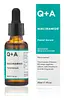
This oil-control serum is formulated around Aloe Barbadensis Leaf Juice and Niacinamide to balance excess oil and calm redness.
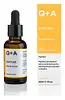
This anti-aging serum is formulated around Aloe Barbadensis Leaf Juice Powder and Tripeptide-29 to soften the look of wrinkles and hydrate skin.

What's inside
What's inside
 Key Ingredients
Benefits
Concerns
Ingredients Side-by-side
Aloe Barbadensis Leaf Juice
Skin Conditioning


Propylene Glycol
Humectant

Water
Skin ConditioningNiacinamide
Smoothing









Betaine
Humectant
Glycerin
Humectant
Pentylene Glycol
Skin Conditioning
Sodium Hyaluronate
Humectant
Allantoin
Skin Conditioning
Biosaccharide Gum-1
Humectant
Cucumis Melo Fruit Extract
Skin ConditioningLycium Barbarum Fruit Extract
Astringent
Passiflora Edulis Fruit Extract
Skin ConditioningAnanas Sativus Fruit Extract
Skin ConditioningPrunus Persica Fruit Extract
Abrasive
Citrus Sinensis Fruit Extract
Antioxidant
Oryza Sativa Extract
Absorbent
Capparis Spinosa Fruit Extract
Skin ConditioningOlea Europaea Leaf Extract
Perfuming
Lonicera Caprifolium Flower Extract
Perfuming
Lonicera Japonica Flower Extract
Skin ConditioningMaltodextrin
Absorbent
Xanthan Gum
EmulsifyingSodium Gluconate
ChelatingPhenoxyethanol
Preservative
Aloe Barbadensis Leaf Juice, Propylene Glycol, Water, Niacinamide, Betaine, Glycerin, Pentylene Glycol, Sodium Hyaluronate, Allantoin, Biosaccharide Gum-1, Cucumis Melo Fruit Extract, Lycium Barbarum Fruit Extract, Passiflora Edulis Fruit Extract, Ananas Sativus Fruit Extract, Prunus Persica Fruit Extract, Citrus Sinensis Fruit Extract, Oryza Sativa Extract, Capparis Spinosa Fruit Extract, Olea Europaea Leaf Extract, Lonicera Caprifolium Flower Extract, Lonicera Japonica Flower Extract, Maltodextrin, Xanthan Gum, Sodium Gluconate, Phenoxyethanol
Water
Skin ConditioningPropylene Glycol
Humectant
Betaine
Humectant
Pentylene Glycol
Skin Conditioning
Xanthan Gum
EmulsifyingAloe Barbadensis Leaf Juice Powder
Skin Conditioning
Sodium Phytate
ChelatingGlycerin
Humectant
Lonicera Caprifolium Flower Extract
Perfuming
Biosaccharide Gum-1
Humectant
Lonicera Japonica Flower Extract
Skin ConditioningSodium Levulinate
Skin ConditioningTripeptide-29
Skin Conditioning
Sodium Hyaluronate
Humectant
Sodium Ascorbyl Phosphate
Antioxidant
Magnesium PCA
Humectant
Lactic Acid
Buffering

Glyceryl Caprylate
EmollientCocoyl Proline
Skin Conditioning
Sodium Anisate
AntimicrobialLeuconostoc/Radish Root Ferment Filtrate
Antimicrobial
Citric Acid
Buffering
Water, Propylene Glycol, Betaine, Pentylene Glycol, Xanthan Gum, Aloe Barbadensis Leaf Juice Powder, Sodium Phytate, Glycerin, Lonicera Caprifolium Flower Extract, Biosaccharide Gum-1, Lonicera Japonica Flower Extract, Sodium Levulinate, Tripeptide-29, Sodium Hyaluronate, Sodium Ascorbyl Phosphate, Magnesium PCA, Lactic Acid, Glyceryl Caprylate, Cocoyl Proline, Sodium Anisate, Leuconostoc/Radish Root Ferment Filtrate, Citric Acid
Ingredients Explained
These ingredients are found in both products.
Ingredients higher up in an ingredient list are typically present in a larger amount.
Betaine is a humectant. Like hyaluronic acid, it helps attract and retain moisture in the skin. It’s known for being gentle and for helping the skin maintain balanced hydration.
Betaine is mainly used to improve hydration and support calmer skin. It helps skin cells regulate water balance because it functions as an osmolyte.
Some studies suggest betaine may support making skin tone more even.
Fun fact: Betaine naturally exists in the skin and the body. In cosmetic products, it can be either plant-derived (most commonly from sugar beets) or synthetically produced for consistency and stability.
Betaine is also known as trimethylglycine.
Learn more about BetaineBiosaccharide Gum-1 is a sugar created by fermenting sorbitol (which usually comes from potato starch!). It is known for its soothing and moisturizing properties.
Manufacturer tests show this ingredient helped reduce irritation from lactic acid by almost half and kept skin hydrated long-term as a humectant
Beyond hydration, Biosaccharide Gum-1 gives formulas a silky, non-sticky feel.
This ingredient is gentle, versatile, and suitable for all skin types.
Fun fact: Similar sugars can be found naturally in fruits like apples and pears.
Learn more about Biosaccharide Gum-1Glycerin (or glycerol) is a compound naturally found in your skin. It's a powerhouse humectant that pulls water into the stratum corneum.
Topically, glycerin does several things at once:
Your skin makes glycerin on its own (mostly from sebaceous oil breakdown) and shuttles it to your outermost layer of skin, or your epidermis, via aquaporin-3.
Aquaporin-3 is a transporter that is essential for normal skin hydration, elasticity, and repair. Interestingly, mice lacking in AQP3 have dry and less elastic skin that can be fully corrected with glycerin.
This ingredient is non-irritating, plays well with almost every ingredient, and works across all skin types. Typical use is anywhere between 3-10% but can go up to 79% in some leave-on products.
Just know very high concentrations (>40%) can feel tacky in low humidity.
Glycerin is the name for this ingredient in American English. British English uses Glycerol/Glycerine.
Learn more about GlycerinThis Honeysuckle flower extract comes from the Italian honeysuckle. It is an antioxidant, antimicrobial, and fragrance.
Both this and the Japanese Honeysuckle are rich in a natural paraben that give it antimicrobial property. They are effective in inhibiting bacteria, yeast, and mold.
Honeysuckle contains flavonoids and saponins. Both of these components are natural antioxidants that can help soothe the skin.
As most flowers do, honeysuckle has a natural fragrance.
Learn more about Lonicera Caprifolium Flower ExtractLonicera Japonica Flower Extract comes from the honeysuckle flower.
Honeysuckles have skin protecting, anti-viral, and anti-inflammatory properties. It contains many antioxidants, such as luteolin, caffeic acid, loniflavone, and chlorogenic acids.
This honeysuckle is native to East Asia and used in traditional Chinese medicine to treat fever and inflammation.
Learn more about Lonicera Japonica Flower ExtractPentylene Glycol (1,2-pentanediol) is a multitasking little diol with three main roles in a formula:
Research on alkanediols (the family pentylene glycol belongs to) show they work by disrupting microbial cell membranes. This disruption helps the primary preservative system in a product work more effectively at lower doses.
On the safety side, the Cosmetic Ingredient Review Expert Panel has concluded this ingredient to be safe as used in current cosmetic practices + concentrations.
Typical use levels in a formula run about 1-5%.
Learn more about Pentylene GlycolPropylene Glycol is a synthetic, colorless, odorless liquid that has been a staple in cosmetics for decades. It is a skin conditioning agent, humectant, and solvent.
As a humectant, it draw water to the skin to reduce flaking and restore suppleness. It's also a solvent that helps dissolve other actives and keeps formulas stable across temperature changes.
The CIR Expert Panel has confirmed this ingredient to be nontoxic and clinical studies show no sensitization at cosmetic use concentrations.
True allergic reactions are quite rare: a 15-year retrospective study of 6,751 patients found only 0.31% had a positive reaction (and less than half were considered clinically relevant).
It seemed that when sensitization does occur, it's most commonly linked to topical medication (like corticosteroids) and not cosmetics. Allergic contact dermatitis also appears largely limited to individuals with underlying skin conditions.
Overall, propylene glycol is a well-studied ingredient that most people can tolerate without issue.
Learn more about Propylene GlycolSodium Hyaluronate is the salt form of hyaluronic acid. It is a long sugar chain that is naturally found in your skin, joints, and connective tissue that maintains hydration and elasticity.
In skincare, it works as a humectant. It pulls water from the environment and deeper layers of skin and binds it to the surface.
Interestingly, the size of the molecule affects its behavior:
Some clinical evidence links low molecular weight versions to improved wrinkle depth, elasticity, anti-inflammatory effects, and barrier repair.
Many serums use a blend of both weights so you can get surface hydration plus longer-lasting and deeper effects.
You'll typically see concentrations between 0.1-2% for this ingredient.
Learn more about Sodium HyaluronateWater. It's the most common cosmetic ingredient of all. You'll usually see it at the top of ingredient lists, meaning that it makes up the largest part of the product.
So why is it so popular? Water most often acts as a solvent - this means that it helps dissolve other ingredients into the formulation.
You'll also recognize water as that liquid we all need to stay alive. If you see this, drink a glass of water. Remember to stay hydrated!
Learn more about WaterXanthan gum is used as a stabilizer and thickener within cosmetic products. It helps give products a sticky, thick feeling - preventing them from being too runny.
On the technical side of things, xanthan gum is a polysaccharide - a combination consisting of multiple sugar molecules bonded together.
Xanthan gum is a pretty common and great ingredient. It is a natural, non-toxic, non-irritating ingredient that is also commonly used in food products.
Learn more about Xanthan Gum

