

What's inside
What's inside
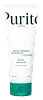 Key Ingredients
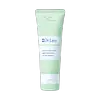
Benefits
Concerns
Ingredients Side-by-side
Water
Skin ConditioningCoco-Betaine
Cleansing
Sodium Lauroyl Methyl Isethionate
CleansingSodium Chloride
MaskingAcrylates/C10-30 Alkyl Acrylate Crosspolymer
Emulsion StabilisingTromethamine
BufferingHydroxyacetophenone
Antioxidant


Sodium Methyl Isethionate
EmulsifyingPanthenol
Skin Conditioning


Allantoin
Skin Conditioning
Bambusa Vulgaris Extract
Skin Conditioning
Lauric Acid
Cleansing


Melaleuca Alternifolia Leaf Oil
Antioxidant





Sodium Laurate
CleansingEthylhexylglycerin
Skin Conditioning1,2-Hexanediol
Skin Conditioning
Betaine
Humectant
Disodium EDTA
Water, Coco-Betaine, Sodium Lauroyl Methyl Isethionate, Sodium Chloride, Acrylates/C10-30 Alkyl Acrylate Crosspolymer, Tromethamine, Hydroxyacetophenone, Sodium Methyl Isethionate, Panthenol, Allantoin, Bambusa Vulgaris Extract, Lauric Acid, Melaleuca Alternifolia Leaf Oil, Sodium Laurate, Ethylhexylglycerin, 1,2-Hexanediol, Betaine, Disodium EDTA
Water
Skin ConditioningGlycerin
Humectant
Sodium Cocoyl Glycinate
Cleansing
Cocoyl Glutamic Acid
Cleansing
Sodium Chloride
MaskingBetula Platyphylla Japonica Juice
Skin Conditioning
Hydroxypropyl Starch
Sodium Lauroamphoacetate
CleansingCitric Acid
Buffering


Glycol Distearate
Emollient
Acrylates Copolymer
Maltooligosyl Glucoside
Skin ConditioningPropanediol
Solvent
Decyl Glucoside
Cleansing
Hydroxyacetophenone
Antioxidant
Hydrogenated Starch Hydrolysate
HumectantTrihydroxystearin
Skin Conditioning
Citrus Junos Peel Oil
Astringent
Butylene Glycol
Humectant
PEG-14m
Emulsion StabilisingMauritia Flexuosa Fruit Oil
Skin Conditioning
Glyceryl Caprylate
EmollientPEG-66 Trihydroxystearin
EmulsifyingCamellia Sinensis Leaf Water
Masking
Manicouagan Clay
AbsorbentRosmarinus Officinalis Extract
AntimicrobialChlorophyllin-Copper Complex
Antioxidant
Serenoa Serrulata Fruit Extract
Skin Conditioning
Helianthus Annuus Seed Oil
Emollient
Cellulose
Absorbent
Copper Chlorophyll
Cosmetic ColorantDipropylene Glycol
HumectantCinnamomum Cassia Bark Extract
Masking
1,2-Hexanediol
Skin Conditioning
Camellia Sinensis Leaf Extract
Antimicrobial

Melaleuca Alternifolia Leaf Oil
Antioxidant
Xanthan Gum
EmulsifyingWater, Glycerin, Sodium Cocoyl Glycinate, Cocoyl Glutamic Acid, Sodium Chloride, Betula Platyphylla Japonica Juice, Hydroxypropyl Starch, Sodium Lauroamphoacetate, Citric Acid, Glycol Distearate, Acrylates Copolymer, Maltooligosyl Glucoside, Propanediol, Decyl Glucoside, Hydroxyacetophenone, Hydrogenated Starch Hydrolysate, Trihydroxystearin, Citrus Junos Peel Oil, Butylene Glycol, PEG-14m, Mauritia Flexuosa Fruit Oil, Glyceryl Caprylate, PEG-66 Trihydroxystearin, Camellia Sinensis Leaf Water, Manicouagan Clay, Rosmarinus Officinalis Extract, Chlorophyllin-Copper Complex, Serenoa Serrulata Fruit Extract, Helianthus Annuus Seed Oil, Cellulose, Copper Chlorophyll, Dipropylene Glycol, Cinnamomum Cassia Bark Extract, 1,2-Hexanediol, Camellia Sinensis Leaf Extract, Melaleuca Alternifolia Leaf Oil, Xanthan Gum
Reviews
Ingredients Explained
These ingredients are found in both products.
Ingredients higher up in an ingredient list are typically present in a larger amount.
1,2-Hexanediol is a synthetic liquid and another multi-functional powerhouse.
It is a:
- Humectant, drawing moisture into the skin
- Emollient, helping to soften skin
- Solvent, dispersing and stabilizing formulas
- Preservative booster, enhancing the antimicrobial activity of other preservatives
Hydroxyacetophenone is antioxidant with skin conditioning and soothing properties. It also boosts the efficiency of preservatives.
Though naturally occuring in Norwegian spruce needles, this ingredient is usually synthetically created.
This ingredient is not irritating or sensitizing. Recent research also suggests it may have skin-brightening effects through tyrosinase inhibition.
Learn more about HydroxyacetophenoneThis ingredient is also known as tea tree oil. It has antioxidant, anti-inflammatory, and antimicrobial properties.
Tea tree oil is a complex lipophilic (fat-loving) oil that contains around 100 compounds with terpinen-4-ol being the most abundant (~40%).
Terpinen-4-ol is responsible for tea tree oil's broad-spectrum antimicrobial activity and makes it a well-researched option for acne.
Clinical studies support 5% tea tree oil as an effective topical treatment for mild to moderate acne. A study with 124 patients compared 5% tea tree oil gel to 5% benzoyl peroxide and both reduced acne (though tea tree oil worked more slowly).
Besides acne, it is also seen in anti-dandruff shampoos and scalp treatments for it's antimicrobial and anti-seborrheic properties.
Safety-wise, the allergic potential of low concentrations on healthy skin is considered low. However, oxidized (old or improperly stored) tea tree oil is a stronger sensitizer.
Irritation can also occur if using the undiluted oil on skin; it's best to use this ingredient as part of a carefully crafted cosmetic formula. This is because regulations require tea tree oil in cosmetics to be stabilized to prevent degradation.
This ingredient has been deemed safe up to 2% in shampoo, 1% in cleansers, and 0.1% in face cream by the EU's Scientific Committee on Consumer Safety (SCCS).
There is some lab evidence that tea tree oil is antifungal against Malassezia, but it is a supportive option at best and not a replacement for proven antifungal treatments.
Learn more about Melaleuca Alternifolia Leaf OilChances are, you eat sodium chloride every day. Sodium Chloride is also known as table salt. This ingredient has many purposes in skincare: thickener, emulsifier, and exfoliator.
You'll most likely find this ingredient in cleansers where it is used to create a gel-like texture. As an emulsifier, it also prevents ingredients from separating.
You might see people debate whether Sodium Chloride is comedogenic, but there actually haven't been any comedogenic tests done on it. Either way, the overall formulation of a product matters a lot more than any single ingredient.
You might see this ingredient used in scrubs as a primary exfoliating ingredient.
Learn more about Sodium ChlorideWater. It's the most common cosmetic ingredient of all. You'll usually see it at the top of ingredient lists, meaning that it makes up the largest part of the product.
So why is it so popular? Water most often acts as a solvent - this means that it helps dissolve other ingredients into the formulation.
You'll also recognize water as that liquid we all need to stay alive. If you see this, drink a glass of water. Remember to stay hydrated!
Learn more about Water
