

What's inside
What's inside
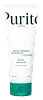 Key Ingredients
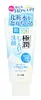
Benefits
Concerns
Ingredients Side-by-side
Water
Skin ConditioningCoco-Betaine
Cleansing
Sodium Lauroyl Methyl Isethionate
CleansingSodium Chloride
MaskingAcrylates/C10-30 Alkyl Acrylate Crosspolymer
Emulsion StabilisingTromethamine
BufferingHydroxyacetophenone
Antioxidant


Sodium Methyl Isethionate
EmulsifyingPanthenol
Skin Conditioning


Allantoin
Skin Conditioning
Bambusa Vulgaris Extract
Skin Conditioning
Lauric Acid
Cleansing


Melaleuca Alternifolia Leaf Oil
Antioxidant





Sodium Laurate
CleansingEthylhexylglycerin
Skin Conditioning1,2-Hexanediol
Skin Conditioning
Betaine
Humectant
Disodium EDTA
Water, Coco-Betaine, Sodium Lauroyl Methyl Isethionate, Sodium Chloride, Acrylates/C10-30 Alkyl Acrylate Crosspolymer, Tromethamine, Hydroxyacetophenone, Sodium Methyl Isethionate, Panthenol, Allantoin, Bambusa Vulgaris Extract, Lauric Acid, Melaleuca Alternifolia Leaf Oil, Sodium Laurate, Ethylhexylglycerin, 1,2-Hexanediol, Betaine, Disodium EDTA
Water
Skin ConditioningGlycerin
Humectant
Glycylglycine
Butylene Glycol
Humectant
Hydroxypropyl Starch Phosphate
Cocamidopropyl Betaine
Cleansing
PEG-400
Emulsion StabilisingDecyl Glucoside
Cleansing
Zinc Lauroyl Aspartate
Tea-Cocoyl Glycinate
Cleansing
Sodium Stearoyl Glutamate
CleansingGlyceryl Stearate
Emollient
Hyaluronic Acid
Humectant

Hydroxypropyltrimonium Hyaluronate
Citric Acid
Buffering

Stearic Acid
Cleansing
Lauric Acid
Cleansing
PEG-32
HumectantDisodium EDTA
Polyquaternium-7
Hydroxypropyl Methylcellulose
Emulsion StabilisingPolyquaternium-52
Methylparaben
Preservative


Propylparaben
Preservative
BHT
Antioxidant
Water, Glycerin, Glycylglycine, Butylene Glycol, Hydroxypropyl Starch Phosphate, Cocamidopropyl Betaine, PEG-400, Decyl Glucoside, Zinc Lauroyl Aspartate, Tea-Cocoyl Glycinate, Sodium Stearoyl Glutamate, Glyceryl Stearate, Hyaluronic Acid, Hydroxypropyltrimonium Hyaluronate, Citric Acid, Stearic Acid, Lauric Acid, PEG-32, Disodium EDTA, Polyquaternium-7, Hydroxypropyl Methylcellulose, Polyquaternium-52, Methylparaben, Propylparaben, BHT
Reviews
Ingredients Explained
These ingredients are found in both products.
Ingredients higher up in an ingredient list are typically present in a larger amount.
Disodium EDTA is a chelating agent. It grabs onto and deactivates metal ions that sneak into your products from water, packaging, or air.
This ingredient mainly works behind the scenes and helps with:
On top of that, this ingredient can counteract the effects of hard water by binding to the minerals in it.
One thing worth knowing is that Disodium EDTA has been shown to be a mild penetration enhancer. It can help other ingredients absorb into skin more effectively which can be a double-edged sword (great for actives, but can also make the active too strong if you have sensitive skin).
Clinical patch testing showed no significant skin irritation at typical use concentrations and minimal dermal absorption.
You'll most likely see this ingredient near the end of an ingredient list. It's typically found in concentrations less than 1%.
Learn more about Disodium EDTALauric Acid is a saturated fatty acid naturally found in coconut oil, palm kernel oil, and even breast milk.
In cosmetics, it is an:
Lab studies have found that lauric acid is surprisingly good at killing acne-causing bacteria. However, these tests were done on bacteria in a petri dish and not on real skin, so we can't say for certain it works the same in a formulation on a real face.
The comedogenic rating of 4 comes from the 1972 rabbit ear model using undiluted ingredients. Comedogenicity is highly individual and one comedogenic ingredient cannot predict how a formula will behave on skin.
This ingredient is not fungal acne safe and research has confirmed Malassezia can use it as a food source.
Learn more about Lauric AcidWater. It's the most common cosmetic ingredient of all. You'll usually see it at the top of ingredient lists, meaning that it makes up the largest part of the product.
So why is it so popular? Water most often acts as a solvent - this means that it helps dissolve other ingredients into the formulation.
You'll also recognize water as that liquid we all need to stay alive. If you see this, drink a glass of water. Remember to stay hydrated!
Learn more about Water
