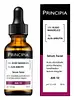
This brightening serum is formulated around Mandelic Acid and Alpha-Arbutin to fade the look of dark spots and refine skin texture.
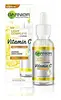
This brightening serum is formulated around Niacinamide and 3-O-Ethyl Ascorbic Acid to brighten dull-looking skin and fade the look of dark spots.


What's inside
What's inside
 Key Ingredients
Benefits
Concerns
Ingredients Side-by-side

Water
Skin ConditioningGlycerin
Humectant


Alcohol
Antimicrobial




Dipropylene Glycol
HumectantButylene Glycol
Humectant
PEG/PPG/Polybutylene Glycol-8/5/3 Glycerin
HumectantNiacinamide
Smoothing









Hydroxyethylpiperazine Ethane Sulfonic Acid
BufferingBis-PEG-18 Methyl Ether Dimethyl Silane
Emollient3-O-Ethyl Ascorbic Acid
Skin Conditioning
Isononyl Isononanoate
EmollientBHT
Antioxidant
Linalool
Perfuming

Geraniol
Perfuming
Parfum
Masking
Salicylic Acid
Masking

Sodium Citrate
BufferingSodium Hyaluronate
Humectant
Phenoxyethanol
Preservative
Phenylethyl Resorcinol
Antioxidant
Adenosine
Skin Conditioning
Ammonium Polyacryloyldimethyl Taurate
Emulsion StabilisingTocopheryl Acetate
Antioxidant
Disodium EDTA
ChelatingLimonene
Perfuming
Hydrogenated Lecithin
Emulsifying
Citric Acid
Buffering
Citrus Limon Fruit Extract
Masking
Citrus Junos Fruit Extract
Skin ConditioningXanthan Gum
EmulsifyingMaltodextrin
Absorbent
Acetyl Trifluoromethylphenyl Valylglycine
Skin ConditioningOxothiazolidinecarboxylic Acid
Skin ConditioningBenzyl Salicylate
Perfuming
Benzyl Alcohol
Perfuming
Water, Glycerin, Alcohol, Dipropylene Glycol, Butylene Glycol, PEG/PPG/Polybutylene Glycol-8/5/3 Glycerin, Niacinamide, Hydroxyethylpiperazine Ethane Sulfonic Acid, Bis-PEG-18 Methyl Ether Dimethyl Silane, 3-O-Ethyl Ascorbic Acid, Isononyl Isononanoate, BHT, Linalool, Geraniol, Parfum, Salicylic Acid, Sodium Citrate, Sodium Hyaluronate, Phenoxyethanol, Phenylethyl Resorcinol, Adenosine, Ammonium Polyacryloyldimethyl Taurate, Tocopheryl Acetate, Disodium EDTA, Limonene, Hydrogenated Lecithin, Citric Acid, Citrus Limon Fruit Extract, Citrus Junos Fruit Extract, Xanthan Gum, Maltodextrin, Acetyl Trifluoromethylphenyl Valylglycine, Oxothiazolidinecarboxylic Acid, Benzyl Salicylate, Benzyl Alcohol
Reviews
Ingredients Explained
These ingredients are found in both products.
Ingredients higher up in an ingredient list are typically present in a larger amount.
Benzyl Alcohol is an aromatic alcohol with several roles: it's a preservative, solvent, and mild fragrance component with a floral scent.
This ingredient has been deemed safe for use in cosmetic formulations at concentrations up to 5%, and up to 10% in hair dyes. You'll typically see 0.5-2% in most rinse-off or leave-on products.
As a preservative, it works by disrupting the membrane of microbial proteins. This helps keep bacteria and fungi from growing in your products.
The sensitization picture is actually quite assuring as well:of nearly 71,000 patients patch tested with benzyl alcohol, only 0.21% showed a positive reaction with most of them being weakly positive.
This led researchers to conclude that benzyl alcohol cannot be regarded as a significant contact allergen.
It is worth noting this ingredient is classified as one of the EU's regulated fragrance allergens and restricted to 1% in finished products.
Labels must also declare it in concentrations above 0.001% in leave-on products and 0.01% in rinse-off products.
At concentrations around 5%, localized redness and itching can appear as a direct irritant response and not as a true allergic reaction.
Learn more about Benzyl AlcoholDisodium EDTA is a chelating agent. It grabs onto and deactivates metal ions that sneak into your products from water, packaging, or air.
This ingredient mainly works behind the scenes and helps with:
On top of that, this ingredient can counteract the effects of hard water by binding to the minerals in it.
One thing worth knowing is that Disodium EDTA has been shown to be a mild penetration enhancer. It can help other ingredients absorb into skin more effectively which can be a double-edged sword (great for actives, but can also make the active too strong if you have sensitive skin).
Clinical patch testing showed no significant skin irritation at typical use concentrations and minimal dermal absorption.
You'll most likely see this ingredient near the end of an ingredient list. It's typically found in concentrations less than 1%.
Learn more about Disodium EDTAWater. It's the most common cosmetic ingredient of all. You'll usually see it at the top of ingredient lists, meaning that it makes up the largest part of the product.
So why is it so popular? Water most often acts as a solvent - this means that it helps dissolve other ingredients into the formulation.
You'll also recognize water as that liquid we all need to stay alive. If you see this, drink a glass of water. Remember to stay hydrated!
Learn more about WaterXanthan gum is used as a stabilizer and thickener within cosmetic products. It helps give products a sticky, thick feeling - preventing them from being too runny.
On the technical side of things, xanthan gum is a polysaccharide - a combination consisting of multiple sugar molecules bonded together.
Xanthan gum is a pretty common and great ingredient. It is a natural, non-toxic, non-irritating ingredient that is also commonly used in food products.
Learn more about Xanthan Gum

