Pond's Healthy Hydration Orange Nectar Hyaluron Serum Versus Pond's Age Miracle Ultimate Youth Serum Hexyl-Retinol
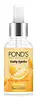
This hydrating serum is formulated around Niacinamide and 3-O-Ethyl Ascorbic Acid to hydrate skin and brighten dull-looking skin.
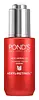
This anti-aging serum is formulated around Niacinamide and Hexylresorcinol to soften the look of wrinkles and fade the look of dark spots.

What's inside
What's inside
 Key Ingredients
Benefits
Concerns
Ingredients Side-by-side
Water
Skin ConditioningGlycerin
Humectant


Dimethicone
Emollient
Pentylene Glycol
Skin Conditioning
Niacinamide
Smoothing









Butylene Glycol
Humectant
Caprylic/Capric Triglyceride
Masking
Citrus Aurantium Dulcis Juice
Skin Conditioning3-O-Ethyl Ascorbic Acid
Skin Conditioning
Polysorbate 20
Emulsifying

Tocopheryl Acetate
Antioxidant

Cystine
MaskingGlycine
Buffering
Sodium PCA
Humectant
Sodium Acetylated Hyaluronate
Humectant
Sodium Hyaluronate
Humectant
Sodium Hyaluronate Crosspolymer
Humectant
Hydrolyzed Sodium Hyaluronate
Skin Conditioning
Ammonium Acryloyldimethyltaurate/Vp Copolymer
Water, Glycerin, Dimethicone, Pentylene Glycol, Niacinamide, Butylene Glycol, Caprylic/Capric Triglyceride, Citrus Aurantium Dulcis Juice, 3-O-Ethyl Ascorbic Acid, Polysorbate 20, Tocopheryl Acetate, Cystine, Glycine, Sodium PCA, Sodium Acetylated Hyaluronate, Sodium Hyaluronate, Sodium Hyaluronate Crosspolymer, Hydrolyzed Sodium Hyaluronate, Ammonium Acryloyldimethyltaurate/Vp Copolymer
Water
Skin ConditioningIsodecyl Neopentanoate
EmollientButylene Glycol
Humectant
Glycerin
Humectant
Niacinamide
Smoothing
Sodium Starch Octenylsuccinate
AbsorbentHexylresorcinol
Antimicrobial
Retinyl Propionate
Skin Conditioning
Sodium Acetylated Hyaluronate
Humectant
Sodium Hyaluronate
Humectant
Cetyl Alcohol
Emollient
Hydroxypropyl Starch Phosphate
1,2-Hexanediol
Skin Conditioning
Ethylhexylglycerin
Skin ConditioningAcrylates/C10-30 Alkyl Acrylate Crosspolymer
Emulsion StabilisingDilauryl Thiodipropionate
Antioxidant
Pentaerythrityl Tetra-Di-T-Butyl Hydroxyhydrocinnamate
Antioxidant
Bisabolol
Antioxidant
Decyl Glucoside
Cleansing
Potassium Hydroxide
BufferingZingiber Officinale Root Extract
Masking
Tocopherol
Antioxidant
Bifida Ferment Lysate
Skin Conditioning
Betaine
Humectant
Lecithin
Emollient
Retinol
Skin Conditioning
Acetyl Dipeptide-1 Cetyl Ester
Skin Conditioning
Sodium Hyaluronate Crosspolymer
Humectant
Hydrolyzed Sodium Hyaluronate
Skin Conditioning
Ascorbyl Palmitate
Antioxidant
Parfum
Masking


Disodium EDTA
ChelatingBHT
Antioxidant
Phenoxyethanol
Preservative
CI 14700
Cosmetic ColorantCI 19140
Cosmetic ColorantWater, Isodecyl Neopentanoate, Butylene Glycol, Glycerin, Niacinamide, Sodium Starch Octenylsuccinate, Hexylresorcinol, Retinyl Propionate, Sodium Acetylated Hyaluronate, Sodium Hyaluronate, Cetyl Alcohol, Hydroxypropyl Starch Phosphate, 1,2-Hexanediol, Ethylhexylglycerin, Acrylates/C10-30 Alkyl Acrylate Crosspolymer, Dilauryl Thiodipropionate, Pentaerythrityl Tetra-Di-T-Butyl Hydroxyhydrocinnamate, Bisabolol, Decyl Glucoside, Potassium Hydroxide, Zingiber Officinale Root Extract, Tocopherol, Bifida Ferment Lysate, Betaine, Lecithin, Retinol, Acetyl Dipeptide-1 Cetyl Ester, Sodium Hyaluronate Crosspolymer, Hydrolyzed Sodium Hyaluronate, Ascorbyl Palmitate, Parfum, Disodium EDTA, BHT, Phenoxyethanol, CI 14700, CI 19140
Ingredients Explained
These ingredients are found in both products.
Ingredients higher up in an ingredient list are typically present in a larger amount.
Butylene Glycol (or BG) is used within cosmetic products for a few different reasons:
Overall, Butylene Glycol is a safe and well-rounded ingredient that works well with other ingredients.
Though this ingredient works well with most skin types, some people with sensitive skin may experience a reaction such as allergic rashes, closed comedones, or itchiness.
Learn more about Butylene GlycolGlycerin (or glycerol) is a compound naturally found in your skin. It's a powerhouse humectant that pulls water into the stratum corneum.
Topically, glycerin does several things at once:
Your skin makes glycerin on its own (mostly from sebaceous oil breakdown) and shuttles it to your outermost layer of skin, or your epidermis, via aquaporin-3.
Aquaporin-3 is a transporter that is essential for normal skin hydration, elasticity, and repair. Interestingly, mice lacking in AQP3 have dry and less elastic skin that can be fully corrected with glycerin.
This ingredient is non-irritating, plays well with almost every ingredient, and works across all skin types. Typical use is anywhere between 3-10% but can go up to 79% in some leave-on products.
Just know very high concentrations (>40%) can feel tacky in low humidity.
Glycerin is the name for this ingredient in American English. British English uses Glycerol/Glycerine.
Learn more about GlycerinThis ingredient is created by putting sodium hyaluronate through hydrolysis.
You might know this as 'mini' or 'ultra low-molecular weight' hyaluronic acid. The small molecule size means it is able to travel deeper in the skin.
According to studies, low molecular-weight hyaluronic acid can:
One study from 2011 found ultra-low weight HA to show pro-inflammatory properties. Another study from 2022 found it to downregulate UV-B induced inflammation.
Hydrolysis is a process of changing a molecule using water or enzymes.
This ingredient is water-soluble.
Learn more about Hydrolyzed Sodium HyaluronateNiacinamide is a multitasking form of vitamin B3 that strengthens the skin barrier, reduces pores and dark spots, regulates oil, and improves signs of aging.
And the best part? It's gentle and well-tolerated by most skin types, including sensitive and reactive skin.
You might have heard of "niacin flush", or the reddening of skin that causes itchiness. Niacinamide has not been found to cause this.
In very rare cases, some individuals may not be able to tolerate niacinamide at all or experience an allergic reaction to it.
If you are experiencing flaking, irritation, and dryness with this ingredient, be sure to double check all your products as this ingredient can be found in all categories of skincare.
When incorporating niacinamide into your routine, look out for concentration amounts. Typically, 5% niacinamide provides benefits such as fading dark spots. However, if you have sensitive skin, it is better to begin with a smaller concentration.
When you apply niacinamide to your skin, your body converts it into nicotinamide adenine dinucleotide (NAD). NAD is an essential coenzyme that is already found in your cells as "fuel" and powers countless biological processes.
In your skin, NAD helps repair cell damage, produce new healthy cells, support collagen production, strengthen the skin barrier, and fight environmental stressors (like UV and pollution).
Our natural NAD levels start to decline with age, leading to slower skin repair, visible aging, and a weaker skin barrier. By providing your skin niacinamide, you're recharging your skin's NAD levels. This leads to stronger, healthier, and younger looking skin.
Another name for vitamin B3 is nicotinamide. This vitamin is water-soluble and our bodies don't store it. We obtain Vitamin B3 from either food or skincare. Meat, fish, wheat, yeast, and leafy greens contain vitamin B3.
The type of niacinamide used in skincare is synthetically created.
Learn more about NiacinamideSodium Acetylated Hyaluronate is a type of Hyaluronic Acid.
Hyaluronic Acids help moisturize, soothe, and protect the skin.
Read about common types of Hyaluronic Acid here:
Learn more about Sodium Acetylated HyaluronateSodium Hyaluronate is the salt form of hyaluronic acid. It is a long sugar chain that is naturally found in your skin, joints, and connective tissue that maintains hydration and elasticity.
In skincare, it works as a humectant. It pulls water from the environment and deeper layers of skin and binds it to the surface.
Interestingly, the size of the molecule affects its behavior:
Some clinical evidence links low molecular weight versions to improved wrinkle depth, elasticity, anti-inflammatory effects, and barrier repair.
Many serums use a blend of both weights so you can get surface hydration plus longer-lasting and deeper effects.
You'll typically see concentrations between 0.1-2% for this ingredient.
Learn more about Sodium HyaluronateSodium Hyaluronate Crosspolymer is a crosslinked version of sodium hyaluronate. This just means it's linked into a 3D mesh network that lets it be more stable and sit on skin as a cohesive, gel-like film rather than sinking into skin.
A 2016 human skin study found crosslinked HA increased epidermal water content by 7.6% over the control group and reduced transepidermal water loss by 27.8%.
A follow-up clinical trial found that a topical crosslinked HA serum applied after fillers, microneedling, or chemical peels was well-tolerated and enhanced skin quality at 14 / 28 days.
More recent research suggests that concentrations as low as 0.03% can act as a penetration enhancer for other skincare actives.
Learn more about Sodium Hyaluronate CrosspolymerWater. It's the most common cosmetic ingredient of all. You'll usually see it at the top of ingredient lists, meaning that it makes up the largest part of the product.
So why is it so popular? Water most often acts as a solvent - this means that it helps dissolve other ingredients into the formulation.
You'll also recognize water as that liquid we all need to stay alive. If you see this, drink a glass of water. Remember to stay hydrated!
Learn more about Water

