

What's inside
What's inside
 Key Ingredients
Benefits
Concerns
Ingredients Side-by-side
Water
Skin ConditioningGlycolic Acid
Buffering










Alcohol Denat.
Antimicrobial




Methyl Gluceth-20
Humectant
Propylene Glycol
Humectant
Hamamelis Virginiana Water
Astringent
Sodium Hydroxide
BufferingGlycerin
Humectant
Sodium PCA
Humectant

Aloe Barbadensis Leaf Juice
Skin Conditioning
Allantoin
Skin Conditioning
Camellia Sinensis Leaf Extract
Antimicrobial
Chamomilla Recutita Flower Extract
Masking
Arginine
Masking
Sodium Ascorbyl Phosphate
Antioxidant
Lactic Acid
Buffering
Citric Acid
Buffering
Polysorbate 20
Emulsifying
Butylene Glycol
Humectant
Potassium Sorbate
Preservative
Sodium Benzoate
Masking
Benzoic Acid
Masking
Phenoxyethanol
Preservative
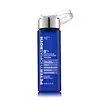
Water, Glycolic Acid, Alcohol Denat., Methyl Gluceth-20, Propylene Glycol, Hamamelis Virginiana Water, Sodium Hydroxide, Glycerin, Sodium PCA, Aloe Barbadensis Leaf Juice, Allantoin, Camellia Sinensis Leaf Extract, Chamomilla Recutita Flower Extract, Arginine, Sodium Ascorbyl Phosphate, Lactic Acid, Citric Acid, Polysorbate 20, Butylene Glycol, Potassium Sorbate, Sodium Benzoate, Benzoic Acid, Phenoxyethanol
Water
Skin ConditioningSorbitol
Humectant
Butylene Glycol
Humectant
Sodium Lactate
BufferingPanthenol
Skin Conditioning
Sodium PCA
Humectant
Niacinamide
Smoothing
Ethoxydiglycol
HumectantPropylene Glycol
Humectant
Glucose
Humectant
Lactic Acid
Buffering
Chamomilla Recutita Flower Extract
Masking
Achillea Millefolium Extract
CleansingOnonis Spinosa Root Extract
AntiseborrhoeicTussilago Farfara Leaf Extract
AstringentRosmarinus Officinalis Leaf Extract
AntimicrobialThymus Serpyllum Extract
Skin ConditioningSalvia Officinalis Leaf Extract
CleansingMelissa Officinalis Leaf Extract
Skin ConditioningEquisetum Arvense Extract
AstringentAlthaea Officinalis Root Extract
Skin Conditioning
Cyclopia Genistoides Leaf Extract
Antioxidant
Disodium EDTA
Sodium Benzoate
Masking
Potassium Sorbate
Preservative
Caramel
Cosmetic ColorantCitric Acid
Buffering
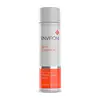
Water, Sorbitol, Butylene Glycol, Sodium Lactate, Panthenol, Sodium PCA, Niacinamide, Ethoxydiglycol, Propylene Glycol, Glucose, Lactic Acid, Chamomilla Recutita Flower Extract, Achillea Millefolium Extract, Ononis Spinosa Root Extract, Tussilago Farfara Leaf Extract, Rosmarinus Officinalis Leaf Extract, Thymus Serpyllum Extract, Salvia Officinalis Leaf Extract, Melissa Officinalis Leaf Extract, Equisetum Arvense Extract, Althaea Officinalis Root Extract, Cyclopia Genistoides Leaf Extract, Disodium EDTA, Sodium Benzoate, Potassium Sorbate, Caramel, Citric Acid
Ingredients Explained
These ingredients are found in both products.
Ingredients higher up in an ingredient list are typically present in a larger amount.
Butylene Glycol (or BG) is used within cosmetic products for a few different reasons:
Overall, Butylene Glycol is a safe and well-rounded ingredient that works well with other ingredients.
Though this ingredient works well with most skin types, some people with sensitive skin may experience a reaction such as allergic rashes, closed comedones, or itchiness.
Learn more about Butylene GlycolChamomilla Recutita Flower Extract comes from the Chamomile flower.
Chamomile is rich in antioxidants and has anti-inflammatory properties. Several compounds found in chamomile help with soothing, such as bisbolol.
Antioxidant components in chamomile make it an effective ingredient to help slow the signs of aging. Antioxidants help fight free-radical molecules, or molecules that may damage your skin.
Essential oils from chamomile have been found to improve wound healing due to its antimicrobial properties.
Ancient Greeks and Egyptians used Chamomile to treat skin redness and dryness. Chamomile has also been used to help treat stomach issues.
Learn more about Chamomilla Recutita Flower ExtractCitric Acid is an alpha hydroxy acid (AHA) naturally found in citrus fruits like oranges, lemons, and limes.
Like other AHAs, citric acid can exfoliate skin by breaking down the bonds that hold dead skin cells together. This helps reveal smoother and brighter skin underneath.
However, this exfoliating effect only happens at high concentrations (20%) which can be hard to find in cosmetic products.
Due to this, citric acid is usually included in small amounts as a pH adjuster. This helps keep products slightly more acidic and compatible with skin's natural pH.
In skincare formulas, citric acid can:
While it can provide some skin benefits, research shows lactic acid and glycolic acid are generally more effective and less irritating exfoliants.
Most citric acid used in skincare today is made by fermenting sugars (usually from molasses). This synthetic version is identical to the natural citrus form but easier to stabilize and use in formulations.
Read more about some other popular AHA's here:
Learn more about Citric AcidLactic Acid is another well-loved alpha hydroxy acid (AHA). It is gentler than glycolic acid but still highly effective.
Its main role is to exfoliate the surface of the skin by loosening the “glue” that holds dead skin cells together. Shedding those old cells leads to smoother, softer, and more even-toned skin.
Because lactic acid molecules are larger than glycolic acid, they don’t penetrate as deeply. This means they’re less likely to sting or irritate, making it a great choice for beginners or those with sensitive skin.
Like glycolic acid, it can:
Lactic acid also acts as a humectant (like hyaluronic acid). It can draw water into the skin to improve hydration and also plays a role in the skin's natural moisturizing factor (NMF) in the form of sodium lactate.
Studies show it can boost ceramide production to strengthen the skin barrier and even help balance the skin’s microbiome.
To get results, choose products with a pH between 3-4.
Lower strengths (5-12%) focus on surface exfoliation; higher strengths (12% and up) can reach deeper in the dermis (deeper, supportive layer) to improve skin texture and firmness over time.
Though it was originally derived from milk, most modern lactic acid used in skincare is vegan. It is made through non-dairy fermentation to create a bio-identical and stable form suitable for all formulations.
When lactic acid shows up near the end of an ingredient list, it usually means the brand added just a tiny amount to adjust the product’s pH.
Legend has it that Cleopatra used to bathe in sour milk to help reduce wrinkles.
Lactic acid is truly a gentle multitasker: it exfoliates, hydrates, strengthens, and brightens. It's a great ingredient for giving your skin a smooth, glowing, and healthy look without the harshness of stronger acids.
Read more about some other popular AHA's here:
Learn more about Lactic AcidPotassium Sorbate is a preservative used to prevent yeast and mold in products. It is commonly found in both cosmetic and food products.
This ingredient comes from potassium salt derived from sorbic acid. Sorbic acid is a natural antibiotic and effective against fungus.
Both potassium sorbate and sorbic acid can be found in baked goods, cheeses, dried meats, dried fruit, ice cream, pickles, wine, yogurt, and more.
You'll often find this ingredient used with other preservatives.
Learn more about Potassium SorbatePropylene Glycol is an odorless, colorless liquid. As a humectant, it helps skin retain moisture. It also aids in delivering active ingredients.
Another role of this ingredient is preventing a product from melting or freezing. Propylene glycol also adds antimicrobrial properties to a product, elongating product lifespan.
This ingredient is considered an organic alcohol and commonly added into both cosmetics and foods.
Those with sensitive skin or conditions may develop a rash when using this ingredient.
Learn more about Propylene GlycolSodium Benzoate is a preservative. It's used in both cosmetic and food products to inhibit the growth of mold and bacteria. It is typically produced synthetically.
Both the US FDA and EU Health Committee have approved the use of sodium benzoate. In the US, levels of 0.1% (of the total product) are allowed.
Sodium benzoate works as a preservative by inhibiting the growth of bacteria inside of cells. It prevents the cell from fermenting a type of sugar using an enzyme called phosphofructokinase.
It is the salt of benzoic acid. Foods containing sodium benzoate include soda, salad dressings, condiments, fruit juices, wines, and snack foods.
Studies for using ascorbic acid and sodium benzoate in cosmetics are lacking, especially in skincare routines with multiple steps.
We always recommend speaking with a professional, such as a dermatologist, if you have any concerns.
Learn more about Sodium BenzoateSodium PCA is the sodium salt of pyroglutamic acid. It is naturally occurring in our skin's natural moisturizing factors where it works to maintain hydration.
The PCA stands for pyrrolidone carboxylic acid, a natural amino acid derivative.
This ingredient has skin conditioning, anti-inflammatory, and humectant properties. Humectants help hydrate your skin by drawing moisture from the air. This helps keep your skin moisturized.
Learn more about Sodium PCAWater. It's the most common cosmetic ingredient of all. You'll usually see it at the top of ingredient lists, meaning that it makes up the largest part of the product.
So why is it so popular? Water most often acts as a solvent - this means that it helps dissolve other ingredients into the formulation.
You'll also recognize water as that liquid we all need to stay alive. If you see this, drink a glass of water. Stay hydrated!
Learn more about Water
