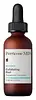
This smoothing treatment is formulated around Carnitine and Urea to refine skin texture and refine the look of pores.
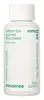
This smoothing toner is formulated around Gluconolactone and Protease to refine skin texture and brighten dull-looking skin.


What's inside
What's inside
 Key Ingredients
Benefits
Concerns
No concerns
Ingredients Side-by-side
Water
Skin ConditioningCarnitine
Cleansing

Urea
Buffering



Maltodextrin
Absorbent
Phosphatidylcholine
EmulsifyingDimethyl Mea
BufferingGluconolactone
Skin Conditioning




Xanthan Gum
EmulsifyingHyaluronic Acid
Humectant
Magnolia Grandiflora Bark Extract
Antimicrobial
Pterocarpus Marsupium Bark Extract
Aloe Barbadensis Leaf Juice
Skin Conditioning

Zinc Gluconate
Skin Conditioning
Magnesium Aspartate
Skin ConditioningChondrus Crispus Extract
Skin Conditioning
Protease
Exfoliating
Sodium Carboxymethyl Beta-Glucan
CleansingCopper Gluconate
Skin Conditioning
Disodium EDTA
Citric Acid
Buffering

Caprylyl Glycol
Emollient
PEG-7 Glyceryl Cocoate
Emulsifying



Phenoxyethanol
Preservative
Sorbic Acid
Preservative
Menthyl Lactate
Masking
CI 42090
Cosmetic ColorantWater, Carnitine, Urea, Maltodextrin, Phosphatidylcholine, Dimethyl Mea, Gluconolactone, Xanthan Gum, Hyaluronic Acid, Magnolia Grandiflora Bark Extract, Pterocarpus Marsupium Bark Extract, Aloe Barbadensis Leaf Juice, Zinc Gluconate, Magnesium Aspartate, Chondrus Crispus Extract, Protease, Sodium Carboxymethyl Beta-Glucan, Copper Gluconate, Disodium EDTA, Citric Acid, Caprylyl Glycol, PEG-7 Glyceryl Cocoate, Phenoxyethanol, Sorbic Acid, Menthyl Lactate, CI 42090
Water
Skin ConditioningGluconolactone
Skin Conditioning
Glycerin
Humectant
Butylene Glycol
Humectant
Tromethamine
Buffering1,2-Hexanediol
Skin Conditioning
Betaine
Humectant
Dextrin
AbsorbentPropanediol
Solvent
Sodium Metaphosphate
BufferingEthylhexylglycerin
Skin ConditioningCyclodextrin
AbsorbentProtease
Exfoliating
Sodium Hyaluronate
Humectant
Hydrolyzed Hyaluronic Acid
Humectant
Camellia Sinensis Leaf Extract
Antimicrobial
Sodium Hyaluronate Crosspolymer
Humectant
Hyaluronic Acid
Humectant
Tocopherol
Antioxidant

Sodium Acetylated Hyaluronate
Humectant
Water, Gluconolactone, Glycerin, Butylene Glycol, Tromethamine, 1,2-Hexanediol, Betaine, Dextrin, Propanediol, Sodium Metaphosphate, Ethylhexylglycerin, Cyclodextrin, Protease, Sodium Hyaluronate, Hydrolyzed Hyaluronic Acid, Camellia Sinensis Leaf Extract, Sodium Hyaluronate Crosspolymer, Hyaluronic Acid, Tocopherol, Sodium Acetylated Hyaluronate
Reviews
Alternatives
Ingredients Explained
These ingredients are found in both products.
Ingredients higher up in an ingredient list are typically present in a larger amount.
Gluconolactone is a PHA. PHAs are a great gentle alternative to traditional AHAs.
When applied, Gluconolactone has the same affect on skin as AHAs such as lactic acid. It helps dissolve the dead skin cells in the top layer of your skin. This improves texture and brightens the skin.
PHAs are more gentle than AHAs due to their larger structure. They do not penetrate as deeply as AHAs and take a longer time to dissolve dead cells. Studies show PHAs do not cause as much irritation.
Gluconolactone has some interesting properties:
In a 2004 study, Gluconolactone was found to prevent UV damage in mouse skin cells and has not been found to increase sun sensitivity. However, we still recommend wearing SPF daily.
This ingredient is is an created by reacting gluconic acid with an alcohol.
Learn more about GluconolactoneHyaluronic acid (HA) is a glycosaminoglycan (basically a long sugar chain) that your skin already makes on its own. In your skin, HA lives in the extracellular matrix and acts as the body's moisture reservoir.
Topically, HA is a humectant that binds water and helps skin look more plump, smooth, and hydrated.
The only catch is that HA isn't a single thing; it actually comes in a wide range of molecular weights (~50 - 2,000+ kDA) and size matters.
Some clinical evidence links low molecular weight versions to improved wrinkle depth, elasticity, anti-inflammatory effects, and barrier repair.
This is why the best HA serums blend the two sizes together so you get the best of both worlds.
The majority of cosmetic HA is produced by bacterial fermentation, typically using Streptococcus or Bacillus strains. Typical use levels in skincare sit around 0.1-2%.
A clinical study using a 0.2% low-molecular weight HA gel showed improvement in facial seborrheic dermatitis with excellent tolerance.
These are some other common types of Hyaluronic Acid:
Learn more about Hyaluronic AcidProtease is an enzyme that works as a gentle exfoliant by mimicking something your skin already does naturally.
Your skin uses proteolytic enzymes to carry out desquamation; this is the process of shedding dead skin cells from the stratum corneum.
In skincare, proteases act as biological catalysts that mimic this natural desquamation process. You can think of it as giving your skin's own renewal system a nudge.
By breaking down the bonds that hold dead skin cells together, proteases help accelerate cell turnover to:
One reason they're becoming a popular AHA alternative is because proteases are considered effective while also being well-tolerated on skin. Because they work at a protein level rather than by lowering the skin pH, they can be a good option for those sensitive to AHAs.
Available in vitro and in vivo studies show positive exfoliant results but clinical (human) trials specifically on enzymatic exfoliation are still limited at this time.
Just one thing worth noting: temperature, pH, and stabilization are important factors that affect enzyme activity. The formulation quality definitely matters with this ingredient.
This ingredient can be either microbial sourced or plant-derived (papain from papaya, bromelain from pineapple).
Learn more about ProteaseWater. It's the most common cosmetic ingredient of all. You'll usually see it at the top of ingredient lists, meaning that it makes up the largest part of the product.
So why is it so popular? Water most often acts as a solvent - this means that it helps dissolve other ingredients into the formulation.
You'll also recognize water as that liquid we all need to stay alive. If you see this, drink a glass of water. Remember to stay hydrated!
Learn more about Water

