

What's inside
What's inside
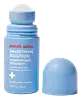 Key Ingredients
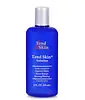
No key ingredients
Benefits
Concerns
Ingredients Side-by-side
Water
Skin ConditioningButylene Glycol
Humectant

Glycerin
Humectant
1,2-Hexanediol
Skin Conditioning
Niacinamide
Smoothing









Salicylic Acid
Masking





Chamaecyparis Obtusa Water
MaskingCucumis Sativus Fruit Extract
Emollient
Aloe Barbadensis Leaf Extract
Emollient
Hamamelis Virginiana Leaf Extract
Skin Conditioning
Malpighia Glabra Fruit Extract
Skin ConditioningFructan
Skin ConditioningMadecassoside
Antioxidant
Asiaticoside
Antioxidant
Glycolic Acid
Buffering

Gluconolactone
Chelating
Perilla Ocymoides Seed Extract
Antioxidant
Zinc PCA
Humectant
Madecassic Acid
Skin Conditioning
Asiatic Acid
Skin Conditioning
Scutellaria Baicalensis Root Extract
Astringent
Betaine
Humectant
Beta-Glucan
Skin Conditioning
Glycyrrhiza Glabra Root Extract
Bleaching
Allantoin
Skin Conditioning
Potassium Hydroxide
BufferingUlmus Davidiana Root Extract
Skin Conditioning
Hydroxyethylcellulose
Emulsion StabilisingEthylhexylglycerin
Skin ConditioningCaprylyl Glycol
Emollient
Water, Butylene Glycol, Glycerin, 1,2-Hexanediol, Niacinamide, Salicylic Acid, Chamaecyparis Obtusa Water, Cucumis Sativus Fruit Extract, Aloe Barbadensis Leaf Extract, Hamamelis Virginiana Leaf Extract, Malpighia Glabra Fruit Extract, Fructan, Madecassoside, Asiaticoside, Glycolic Acid, Gluconolactone, Perilla Ocymoides Seed Extract, Zinc PCA, Madecassic Acid, Asiatic Acid, Scutellaria Baicalensis Root Extract, Betaine, Beta-Glucan, Glycyrrhiza Glabra Root Extract, Allantoin, Potassium Hydroxide, Ulmus Davidiana Root Extract, Hydroxyethylcellulose, Ethylhexylglycerin, Caprylyl Glycol



Reviews
Ingredients Explained
These ingredients are found in both products.
Ingredients higher up in an ingredient list are typically present in a larger amount.
Butylene Glycol (or BG) is used within cosmetic products for a few different reasons:
Overall, Butylene Glycol is a safe and well-rounded ingredient that works well with other ingredients.
Though this ingredient works well with most skin types, some people with sensitive skin may experience a reaction such as allergic rashes, closed comedones, or itchiness.
Learn more about Butylene GlycolGlycerin (or glycerol) is a compound naturally found in your skin. It's a powerhouse humectant that pulls water into the stratum corneum.
Topically, glycerin does several things at once:
Your skin makes glycerin on its own (mostly from sebaceous oil breakdown) and shuttles it to your outermost layer of skin, or your epidermis, via aquaporin-3.
Aquaporin-3 is a transporter that is essential for normal skin hydration, elasticity, and repair. Interestingly, mice lacking in AQP3 have dry and less elastic skin that can be fully corrected with glycerin.
This ingredient is non-irritating, plays well with almost every ingredient, and works across all skin types. Typical use is anywhere between 3-10% but can go up to 79% in some leave-on products.
Just know very high concentrations (>40%) can feel tacky in low humidity.
Glycerin is the name for this ingredient in American English. British English uses Glycerol/Glycerine.
Learn more about Glycerin

