
What's inside
What's inside
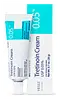 Key Ingredients
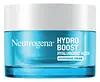
Benefits
Concerns
Ingredients Side-by-side






Water
Skin ConditioningGlycerin
Humectant


Isopropyl Palmitate
Emollient


Cetyl Alcohol
Emollient

Cetearyl Olivate
Sorbitan Olivate
Emulsifying
C10-30 Cholesterol/Lanosterol Esters
Emulsifying
Caprylyl Glycol
Emollient
Ethylhexylglycerin
Skin ConditioningBetaine
Humectant
Dimethicone
Emollient
Palmitic Acid
Emollient
Stearic Acid
Cleansing
Polyacrylate Crosspolymer-6
Emulsion StabilisingPentylene Glycol
Skin Conditioning
Sodium PCA
Humectant
Fructose
Humectant
Sodium Hyaluronate
Humectant


Sodium Lactate
Buffering
Urea
Buffering

Sodium Hydroxide
BufferingCitric Acid
Buffering


PCA
Humectant
1,2-Hexanediol
Skin Conditioning
Maltose
MaskingCeramide NP
Skin Conditioning
Serine
Masking
Alanine
Masking
Sodium Chloride
MaskingTrehalose
Humectant
Glycine
Buffering
Allantoin
Skin Conditioning
Glutamic Acid
Humectant
Lysine Hcl
Skin Conditioning
Arginine
Masking
Threonine
Tropolone
Skin ConditioningGlucose
Humectant
Proline
Skin Conditioning
Water, Glycerin, Isopropyl Palmitate, Cetyl Alcohol, Cetearyl Olivate, Sorbitan Olivate, C10-30 Cholesterol/Lanosterol Esters, Caprylyl Glycol, Ethylhexylglycerin, Betaine, Dimethicone, Palmitic Acid, Stearic Acid, Polyacrylate Crosspolymer-6, Pentylene Glycol, Sodium PCA, Fructose, Sodium Hyaluronate, Sodium Lactate, Urea, Sodium Hydroxide, Citric Acid, PCA, 1,2-Hexanediol, Maltose, Ceramide NP, Serine, Alanine, Sodium Chloride, Trehalose, Glycine, Allantoin, Glutamic Acid, Lysine Hcl, Arginine, Threonine, Tropolone, Glucose, Proline
Reviews
Alternatives
Ingredients Explained
These ingredients are found in both products.
Ingredients higher up in an ingredient list are typically present in a larger amount.
Stearic Acid is a fatty acid that is already found in your skin. It's one of the free fatty acids that works alongside ceramides and cholesterols to maintain your barrier.
In cosmetics, it is a multitasker:
Safety-wise, the CIR Expert Panel has concluded it to be safe in cosmetics when formulated to be non-irritating and non-sensitizing.
Free stearic acid is a C18 fatty acid that the Malassezia yeast can substrate, so this ingredient may not be fungal acne safe.
Learn more about Stearic AcidWater. It's the most common cosmetic ingredient of all. You'll usually see it at the top of ingredient lists, meaning that it makes up the largest part of the product.
So why is it so popular? Water most often acts as a solvent - this means that it helps dissolve other ingredients into the formulation.
You'll also recognize water as that liquid we all need to stay alive. If you see this, drink a glass of water. Remember to stay hydrated!
Learn more about Water
