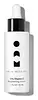
This brightening serum is formulated around Tetrahexyldecyl Ascorbate and Ascorbic Acid to brighten dull-looking skin and fade the look of dark spots.
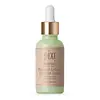
This anti-aging serum is formulated around Niacinamide and Retinol to soften the look of wrinkles and refine skin texture.


What's inside
What's inside
 Key Ingredients
Benefits
Concerns
Ingredients Side-by-side
Methyl Trimethicone
Skin Conditioning
Tetrahexyldecyl Ascorbate
Antioxidant






Cyclopentasiloxane
Emollient
Trimethylsiloxysilicate
Emollient
Ascorbyl Palmitate
Antioxidant

Ascorbic Acid/Orange/Citrus Limon/Citrus Aurantifolia Polypeptides
Skin Conditioning

Ascorbyl Glucoside
Antioxidant
Ascorbic Acid
Antioxidant
Sodium Ascorbyl Phosphate
Antioxidant
Palmitoyl Tripeptide-28
Skin Conditioning
Phyllanthus Emblica Extract
Skin ConditioningArctostaphylos Uva Ursi Leaf Extract
Skin Conditioning
Citrus Grandis
Ubiquinone
Antioxidant
Tocopheryl Acetate
Antioxidant
Superoxide Dismutase
Antioxidant
Phospholipids
Skin Conditioning

Alpha-Arbutin
Antioxidant
Retinyl Palmitate
Skin Conditioning
Water
Skin ConditioningPhenoxyethanol
Preservative
Methyl Trimethicone, Tetrahexyldecyl Ascorbate, Cyclopentasiloxane, Trimethylsiloxysilicate, Ascorbyl Palmitate, Ascorbic Acid/Orange/Citrus Limon/Citrus Aurantifolia Polypeptides, Ascorbyl Glucoside, Ascorbic Acid, Sodium Ascorbyl Phosphate, Palmitoyl Tripeptide-28, Phyllanthus Emblica Extract, Arctostaphylos Uva Ursi Leaf Extract, Citrus Grandis, Ubiquinone, Tocopheryl Acetate, Superoxide Dismutase, Phospholipids, Alpha-Arbutin, Retinyl Palmitate, Water, Phenoxyethanol
Water
Skin ConditioningGlycerin
Humectant
Niacinamide
Smoothing



Arginine
Masking
Rosmarinus Officinalis Extract
AntimicrobialAnthemis Nobilis Flower Extract
Masking
Acacia Senegal Gum
MaskingRetinol
Skin Conditioning
Ascorbic Acid
Antioxidant
Citric Acid
Buffering
Acetyl Heptapeptide-4
Humectant
Nicotiana Benthamiana Hexapeptide-40 Sh-Polypeptide-47
Xanthan Gum
EmulsifyingCarbomer
Emulsion StabilisingPotassium Sorbate
Preservative
Sodium Benzoate
Masking
Pentylene Glycol
Skin Conditioning
Hydroxypropyl Cyclodextrin
MaskingSodium Phytate
ChelatingCaprylyl Glycol
Emollient
Phenoxyethanol
Preservative
Water, Glycerin, Niacinamide, Arginine, Rosmarinus Officinalis Extract, Anthemis Nobilis Flower Extract, Acacia Senegal Gum, Retinol, Ascorbic Acid, Citric Acid, Acetyl Heptapeptide-4, Nicotiana Benthamiana Hexapeptide-40 Sh-Polypeptide-47, Xanthan Gum, Carbomer, Potassium Sorbate, Sodium Benzoate, Pentylene Glycol, Hydroxypropyl Cyclodextrin, Sodium Phytate, Caprylyl Glycol, Phenoxyethanol
Reviews
Ingredients Explained
These ingredients are found in both products.
Ingredients higher up in an ingredient list are typically present in a larger amount.
Ascorbic Acid is is pure Vitamin C and is the biologically active form used directly by skin.
Not only is vitamin C great for your overall health and immune system, but it also has plenty of benefits for your skin. It is best supported by academic literature for:
Topical vitamin C has been shown to help neutralize oxidative stress from UV and pollution, helping to improve photoaging and hyperpigmentation when used consistently.
One clinical study found that using 5% topical vitamin C for six months improved signs of photodamaged skin, both on the surface and in the deeper structural layers of the skin.
While vitamin C doesn’t replace sunscreen, studies show it can boost photoprotection when combined with Vitamin E and ferulic acid. These two ingredients help improve stability and protective effects.
The big downside of this ingredient is formulation difficulty. Vitamin C is prone to oxidation and doesn't penetrate the skin unless formulated correctly. Research found that vitamin C absorbs into the skin best at a low pH (< 3.5) with about 20% being the upper limit for effective absorption.
Skin levels can saturate after repeated application; this means your skin won’t keep absorbing more once it’s full of vitamin C. This is why more isn’t always better with vitamin C and why very high concentrations don’t necessarily give extra benefits.
Ascorbic acid generally works well with many skincare ingredients but can be irritating when combined with other active ingredients. Strong oxidizing acne treatments like benzoyl peroxide can reduce the effectiveness of vitamin C if they are used at the same time; they are often recommended for use at different times of day.
Read more about other types of Vitamin C:
Foods rich with vitamin C include oranges, strawberries, broccoli, bell peppers, and more. When consuming Vitamin C, your skin receives a portion of the nutrients.
Learn more about Ascorbic AcidPhenoxyethanol is one of the most widely used preservatives in skincare (and for good reason!).
It has a large spectrum of antimicrobial activity and especially effective bacteria, yeast, and mold while only having a weak effect on your skin's natural microbiome.
On a cellular level, it disrupts the cell membranes of microbes by poking holes that make the cell leak. This shuts down the chemical reactions the microbe needs to make energy so it can no longer survive.
Another perk of this ingredient is that it stays functional across a wide pH range (3-10).
You'll often see it paired with boosters like Ethylhexylglycerin; one study showed that a 1:9 ratio of Ethylhexylglycerin to Phenoxyethanol damages bacterial membranes as effectively as doubling the Phenoxyethanol concentration on its own.
Typical use concentrations range from 0.3-1% depending on the formula, and this ingredient is capped at 1% int the EU.
Safety-wise, the fear mongering does not hold up to the evidence. The EU's Scientific Committee on Consumer Safety and FDA consider it safe as a preservative at up to 1%, including for children of all ages.
Adverse systemic effects only showed up in animal studies at exposures roughly 200x higher than what people get from cosmetics. And despite its very widespread use, this ingredient is a rare sensitizer and allergic reactions are uncommon.
Learn more about PhenoxyethanolWater. It's the most common cosmetic ingredient of all. You'll usually see it at the top of ingredient lists, meaning that it makes up the largest part of the product.
So why is it so popular? Water most often acts as a solvent - this means that it helps dissolve other ingredients into the formulation.
You'll also recognize water as that liquid we all need to stay alive. If you see this, drink a glass of water. Remember to stay hydrated!
Learn more about Water

