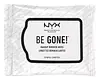
This cleansing wipe is made to dissolve makeup, sunscreen, and daily buildup.
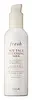
This mild cream makeup remover is made to dissolve makeup, sunscreen, and daily buildup.

What's inside
What's inside
 Key Ingredients
No key ingredients
Benefits
No benefits
Concerns
Ingredients Side-by-side

Water
Skin ConditioningCaprylic/Capric Triglyceride
Masking


Caprylic/Capric/Succinic Triglyceride
EmollientGlycerin
Humectant
Pentylene Glycol
Skin Conditioning
Hydrogenated Palm Kernel Glycerides
EmollientGlycine Soja Oil
Emollient







Xanthan Gum
EmulsifyingHydrogenated Palm Glycerides
Emollient
Rosa Damascena Flower Water
Masking
Hydrolyzed Soy Protein
Humectant
Cucumis Sativus Fruit Extract
Emollient
Centaurea Cyanus Flower Extract
Astringent
Hibiscus Sabdariffa Flower Extract
Skin ConditioningRosa Damascena Flower Oil
Masking



Tocopheryl Acetate
Antioxidant


Steareth-21
CleansingCetyl Alcohol
Emollient
Stearyl Alcohol
Emollient
Lauryl Glucoside
CleansingPolyglyceryl-2 Dipolyhydroxystearate
Skin Conditioning
Behenyl Alcohol
Emollient
Ceteareth-20
Cleansing
Caprylyl Glycol
Emollient
Polyacrylate-13
Acrylates/C10-30 Alkyl Acrylate Crosspolymer
Emulsion StabilisingPolyisobutene
Tetrasodium EDTA
ChelatingSorbitan Isostearate
Emulsifying
Caramel
Cosmetic ColorantPolysorbate 20
Emulsifying
Sodium Hydroxide
BufferingMagnesium Aluminum Silicate
Absorbent
Sorbic Acid
Preservative
Parfum
Masking
BHT
Antioxidant
Phenoxyethanol
Preservative
Citronellol
Perfuming
Geraniol
Perfuming
Water, Caprylic/Capric Triglyceride, Caprylic/Capric/Succinic Triglyceride, Glycerin, Pentylene Glycol, Hydrogenated Palm Kernel Glycerides, Glycine Soja Oil, Xanthan Gum, Hydrogenated Palm Glycerides, Rosa Damascena Flower Water, Hydrolyzed Soy Protein, Cucumis Sativus Fruit Extract, Centaurea Cyanus Flower Extract, Hibiscus Sabdariffa Flower Extract, Rosa Damascena Flower Oil, Tocopheryl Acetate, Steareth-21, Cetyl Alcohol, Stearyl Alcohol, Lauryl Glucoside, Polyglyceryl-2 Dipolyhydroxystearate, Behenyl Alcohol, Ceteareth-20, Caprylyl Glycol, Polyacrylate-13, Acrylates/C10-30 Alkyl Acrylate Crosspolymer, Polyisobutene, Tetrasodium EDTA, Sorbitan Isostearate, Caramel, Polysorbate 20, Sodium Hydroxide, Magnesium Aluminum Silicate, Sorbic Acid, Parfum, BHT, Phenoxyethanol, Citronellol, Geraniol
Ingredients Explained
These ingredients are found in both products.
Ingredients higher up in an ingredient list are typically present in a larger amount.
Citronellol is used to add fragrance/parfum to a product. It is often derived from plants such as roses. In fact, it can be found in many essential oils including geranium, lavender, neroli, and more. The scent of Citronellol is often described as "fresh, grassy, and citrus-like".
Since the Citronellol molecule is already unstable, Citronellol becomes irritating on the skin when exposed to air.
Citronellol is a modified terpene. Terpenes are unsaturated hydrocarbons found in plants. They make up the primary part of essential oils.
Citronellol is not able to be absorbed into deeper layers of the skin. It has low permeability,
Citronellol is also a natural insect repellent.
Learn more about CitronellolGeraniol is used to add fragrance/parfum to a product. It is the main component of citronellol. It is a monoterpenoid and an alcohol.
Monoterpenes are naturally found in many parts of different plants.
Geraniol can be found in many essential oils including Rose Oil and Citronella Oil. The scent of Geraniol is often described as "rose-like". Many foods also contain Geraniol for fruit flavoring.
Geraniol can irritate the skin when exposed to air. However, irritation depends on the ability of geraniol to penetrate into the skin. In general, geraniol is not able to penetrate skin easily.
Geraniol is colorless and has low water-solubility. However, it is soluble in common organic solvents.
Like citronellol, it is a natural insect repellent.
2,6-Octadien-1-ol, 3,7-dimethyl-, (2E)-
Learn more about Geraniol

