
What's inside
What's inside
 Key Ingredients
Benefits
Concerns
Ingredients Side-by-side
Water
Skin ConditioningSodium Lauroyl Sarcosinate
CleansingSodium Cocoyl Isethionate
CleansingCocamidopropyl Hydroxysultaine
CleansingCocamide Dipa
EmulsifyingPEG-120 Methyl Glucose Dioleate
Emulsifying
Camellia Sinensis Leaf Extract
Antimicrobial





Malus Domestica Fruit Extract
Antioxidant
Leuconostoc/Radish Root Ferment Filtrate
Antimicrobial
Polyquaternium-10
Tetrasodium Glutamate Diacetate
Parfum
Masking


Phenoxyethanol
Preservative
Ethylhexylglycerin
Skin ConditioningCitric Acid
Buffering




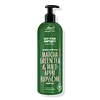
Water, Sodium Lauroyl Sarcosinate, Sodium Cocoyl Isethionate, Cocamidopropyl Hydroxysultaine, Cocamide Dipa, PEG-120 Methyl Glucose Dioleate, Camellia Sinensis Leaf Extract, Malus Domestica Fruit Extract, Leuconostoc/Radish Root Ferment Filtrate, Polyquaternium-10, Tetrasodium Glutamate Diacetate, Parfum, Phenoxyethanol, Ethylhexylglycerin, Citric Acid
Water
Skin ConditioningSodium C14-16 Olefin Sulfonate
Cleansing
Cocamide Mea
EmulsifyingGlycerin
Humectant
Cocamidopropyl Betaine
Cleansing
Avena Sativa Bran Extract
Abrasive
Panthenol
Skin Conditioning
Tocopherol
Antioxidant
Polyquaternium-10
Glycol Distearate
Emollient
Coco-Glucoside
CleansingGlyceryl Oleate
Emollient
Butylene Glycol
Humectant
Polyquaternium-7
Guar Hydroxypropyltrimonium Chloride
Skin ConditioningPEG-150 Distearate
Emulsifying
Citric Acid
Buffering
Sodium Benzoate
Masking
Leuconostoc/Radish Root Ferment Filtrate
Antimicrobial
Hydrogenated Palm Glycerides Citrate
Emollient
Magnesium Nitrate
Sodium Hydroxide
BufferingMethylisothiazolinone
Preservative
Methylchloroisothiazolinone
Preservative
Sodium Lauroyl Sarcosinate
CleansingSodium Acetate
BufferingMagnesium Chloride
Phenoxyethanol
Preservative
Sodium Chloride
Masking

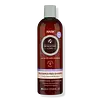
Water, Sodium C14-16 Olefin Sulfonate, Cocamide Mea, Glycerin, Cocamidopropyl Betaine, Avena Sativa Bran Extract, Panthenol, Tocopherol, Polyquaternium-10, Glycol Distearate, Coco-Glucoside, Glyceryl Oleate, Butylene Glycol, Polyquaternium-7, Guar Hydroxypropyltrimonium Chloride, PEG-150 Distearate, Citric Acid, Sodium Benzoate, Leuconostoc/Radish Root Ferment Filtrate, Hydrogenated Palm Glycerides Citrate, Magnesium Nitrate, Sodium Hydroxide, Methylisothiazolinone, Methylchloroisothiazolinone, Sodium Lauroyl Sarcosinate, Sodium Acetate, Magnesium Chloride, Phenoxyethanol, Sodium Chloride
Ingredients Explained
These ingredients are found in both products.
Ingredients higher up in an ingredient list are typically present in a larger amount.
Citric Acid is an alpha hydroxy acid (AHA) naturally found in citrus fruits like oranges, lemons, and limes.
Like other AHAs, citric acid can exfoliate skin by breaking down the bonds that hold dead skin cells together. This helps reveal smoother and brighter skin underneath.
However, this exfoliating effect only happens at high concentrations (20%) which can be hard to find in cosmetic products.
Due to this, citric acid is usually included in small amounts as a pH adjuster. This helps keep products slightly more acidic and compatible with skin's natural pH.
In skincare formulas, citric acid can:
While it can provide some skin benefits, research shows lactic acid and glycolic acid are generally more effective and less irritating exfoliants.
Most citric acid used in skincare today is made by fermenting sugars (usually from molasses). This synthetic version is identical to the natural citrus form but easier to stabilize and use in formulations.
Read more about some other popular AHA's here:
Learn more about Citric AcidLeuconostoc/Radish Root Ferment Filtrate is a natural preservative. It comes from fermenting radish roots with a bacteria called leuconostoc.
Leuconostoc comes from lactic acid.
This ingredient has antimicrobial properties and helps prevent the growth of bacteria in a product.
Leuconostoc is used to make the traditional Korean side-dish, kimchi. It is also used to make sourdough bread (both incredibly yummy foods).
Learn more about Leuconostoc/Radish Root Ferment FiltratePhenoxyethanol is a preservative that has germicide, antimicrobial, and aromatic properties. Studies show that phenoxyethanol can prevent microbial growth. By itself, it has a scent that is similar to that of a rose.
It's often used in formulations along with Caprylyl Glycol to preserve the shelf life of products.
Polyquaternium-10 is an ammonium salt of hydroxyethylcellulose. It is a white and granular powder used as a film-former and anti-static agent.
This ingredient is commonly found in hair conditioning products. According to a manufacturer, its positive charge makes it great for absorbing hair proteins. The manufacturer also states this ingredient helps with curl retention.
For haircare friends: this ingredient is not a silicone.
Learn more about Polyquaternium-10Sodium Lauroyl Sarcosinate is a cleansing agent and emulsifier. It is a surfactant derived from sarcosine, and a common source is coconut oil.
As a surfactant, Sodium Lauroyl Sarcosinate helps lift dirts, oil, and other molecules to be washed away. In leave-on products, this ingredient is used as an emulsifier. Emulsifier help prevent ingredients such as oils and waters from separating.
Sodium Lauroyl Sarcosinate is also commonly found as a foaming agent in shampoo, toothpaste, and shaving foam. It is amphiphilic, meaning it loves both water and fats.
Learn more about Sodium Lauroyl SarcosinateWater. It's the most common cosmetic ingredient of all. You'll usually see it at the top of ingredient lists, meaning that it makes up the largest part of the product.
So why is it so popular? Water most often acts as a solvent - this means that it helps dissolve other ingredients into the formulation.
You'll also recognize water as that liquid we all need to stay alive. If you see this, drink a glass of water. Stay hydrated!
Learn more about Water
