
What's inside
What's inside
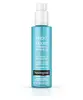 Key Ingredients
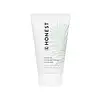
Benefits
Concerns
Ingredients Side-by-side
Water
Skin ConditioningGlycerin
Humectant



Cocamidopropyl Hydroxysultaine
CleansingSodium Cocoyl Isethionate
CleansingSodium Methyl Cocoyl Taurate
Cleansing
Sodium Hydrolyzed Potato Starch Dodecenylsuccinate
Hydrolyzed Hyaluronic Acid
Humectant

Ethylhexylglycerin
Skin ConditioningLinoleamidopropyl Pg-Dimonium Chloride Phosphate
Polyquaternium-10
Polysorbate 20
Emulsifying
Sodium Isethionate
CleansingSodium Lauryl Sulfate
Cleansing



Sodium C14-16 Olefin Sulfonate
Cleansing
Potassium Acrylates Copolymer
Sodium Chloride
Masking

Propylene Glycol
Humectant
Disodium EDTA
Citric Acid
Buffering



Sodium Hydroxide
BufferingHydroxyacetophenone
Antioxidant

Tocopheryl Acetate
Antioxidant
Phenoxyethanol
Preservative
Parfum
Masking
Water, Glycerin, Cocamidopropyl Hydroxysultaine, Sodium Cocoyl Isethionate, Sodium Methyl Cocoyl Taurate, Sodium Hydrolyzed Potato Starch Dodecenylsuccinate, Hydrolyzed Hyaluronic Acid, Ethylhexylglycerin, Linoleamidopropyl Pg-Dimonium Chloride Phosphate, Polyquaternium-10, Polysorbate 20, Sodium Isethionate, Sodium Lauryl Sulfate, Sodium C14-16 Olefin Sulfonate, Potassium Acrylates Copolymer, Sodium Chloride, Propylene Glycol, Disodium EDTA, Citric Acid, Sodium Hydroxide, Hydroxyacetophenone, Tocopheryl Acetate, Phenoxyethanol, Parfum
Water
Skin ConditioningSodium Cocoyl Glycinate
CleansingCocamidopropyl Hydroxysultaine
CleansingCetyl Alcohol
Emollient
Glyceryl Stearate Se
Emulsifying
Isoamyl Laurate
Emollient
Propanediol
Solvent
Caprylic/Capric Triglyceride
Masking
Sodium Chloride
Masking
Phytosterols
Skin Conditioning
Phospholipids
Skin Conditioning
Hydrolyzed Sodium Hyaluronate
Skin Conditioning
Trisodium Ethylenediamine Disuccinate
Sodium PCA
Humectant
Arginine
Masking
Glutamic Acid
Humectant
Xanthan Gum
EmulsifyingHydroxyacetophenone
Antioxidant
Linoleic Acid
Cleansing

1,2-Hexanediol
Skin Conditioning
Caprylyl Glycol
Emollient
Citric Acid
Buffering
Water, Sodium Cocoyl Glycinate, Cocamidopropyl Hydroxysultaine, Cetyl Alcohol, Glyceryl Stearate Se, Isoamyl Laurate, Propanediol, Caprylic/Capric Triglyceride, Sodium Chloride, Phytosterols, Phospholipids, Hydrolyzed Sodium Hyaluronate, Trisodium Ethylenediamine Disuccinate, Sodium PCA, Arginine, Glutamic Acid, Xanthan Gum, Hydroxyacetophenone, Linoleic Acid, 1,2-Hexanediol, Caprylyl Glycol, Citric Acid
Reviews
Ingredients Explained
These ingredients are found in both products.
Ingredients higher up in an ingredient list are typically present in a larger amount.
Citric Acid is an alpha hydroxy acid (AHA) naturally found in citrus fruits like oranges, lemons, and limes.
Like other AHAs, citric acid can exfoliate skin by breaking down the bonds that hold dead skin cells together. This helps reveal smoother and brighter skin underneath.
However, this exfoliating effect only happens at high concentrations (20%) which can be hard to find in cosmetic products.
Due to this, citric acid is usually included in small amounts as a pH adjuster. This helps keep products slightly more acidic and compatible with skin's natural pH.
In skincare formulas, citric acid can:
While it can provide some skin benefits, research shows lactic acid and glycolic acid are generally more effective and less irritating exfoliants.
Most citric acid used in skincare today is made by fermenting sugars (usually from molasses). This synthetic version is identical to the natural citrus form but easier to stabilize and use in formulations.
Read more about some other popular AHA's here:
Learn more about Citric AcidCocamidopropyl Hydroxysultaine is a synthetic cleansing agent, though it is derived from coconut oil.
It is used to enhance the texture of products by boosting lather and thickening the texture. As a cleanser, Cocamidopropyl Hydroxysultaine is mild.
Hydroxyacetophenone is antioxidant with skin conditioning and soothing properties. It also boosts the efficiency of preservatives.
This ingredient is not irritating or sensitizing.
Chances are, you eat sodium chloride every day. Sodium Chloride is also known as table salt.
This ingredient has many purposes in skincare: thickener, emulsifier, and exfoliator.
You'll most likely find this ingredient in cleansers where it is used to create a gel-like texture. As an emulsifier, it also prevents ingredients from separating.
There is much debate on whether this ingredient is comedogenic. The short answer - comedogenic ratings don't tell the whole story. Learn more about comegodenic ratings here.
The concensus about this ingredient causing acne seems to be divided. Research is needed to understand if this ingredient does cause acne.
Scrubs may use salt as the primary exfoliating ingredient.
Learn more about Sodium ChlorideWater. It's the most common cosmetic ingredient of all. You'll usually see it at the top of ingredient lists, meaning that it makes up the largest part of the product.
So why is it so popular? Water most often acts as a solvent - this means that it helps dissolve other ingredients into the formulation.
You'll also recognize water as that liquid we all need to stay alive. If you see this, drink a glass of water. Stay hydrated!
Learn more about Water
