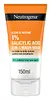
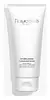
Neutrogena Clear & Defend 1% Salicylic Acid 2-In-1 Wash Mask Versus Natura Bisse Stabilizing Cleansing Mask
This wash off mask is formulated around Salicylic Acid to clear breakouts and unclog pores.
This wash off mask is formulated around Salicylic Acid to clear breakouts and unclog pores.


What's inside
What's inside
 Key Ingredients
Benefits
Concerns
Ingredients Side-by-side
Glycerin
Humectant


Kaolin
Abrasive



Bentonite
Absorbent
Sodium Methyl Cocoyl Taurate
Cleansing
CI 77891
Cosmetic ColorantTrideceth-9
EmulsifyingC12-15 Alkyl Lactate
EmollientSalicylic Acid
Masking







Cetyl Lactate
EmollientCocamidopropyl Pg-Dimonium Chloride Phosphate
Menthol
Masking
Cetyl Alcohol
Emollient

PEG-5 Ethylhexanoate
EmulsifyingSodium Chloride
MaskingXanthan Gum
EmulsifyingDisodium EDTA
ChelatingCitric Acid
Buffering
Sodium Citrate
BufferingSodium Hydroxide
BufferingChlorphenesin
Antimicrobial
Benzalkonium Chloride
Antimicrobial
Parfum
Masking

Glycerin, Kaolin, Bentonite, Sodium Methyl Cocoyl Taurate, CI 77891, Trideceth-9, C12-15 Alkyl Lactate, Salicylic Acid, Cetyl Lactate, Cocamidopropyl Pg-Dimonium Chloride Phosphate, Menthol, Cetyl Alcohol, PEG-5 Ethylhexanoate, Sodium Chloride, Xanthan Gum, Disodium EDTA, Citric Acid, Sodium Citrate, Sodium Hydroxide, Chlorphenesin, Benzalkonium Chloride, Parfum
Water
Skin ConditioningKaolin
Abrasive
Distarch Phosphate
AbsorbentAlcohol Denat.
Antimicrobial
CI 77891
Cosmetic ColorantPropylene Glycol
Humectant
Sodium Lauryl Sulfate
Cleansing
Salicylic Acid
Masking
Triethanolamine
BufferingCocamidopropyl Betaine
Cleansing
Aloe Barbadensis Leaf Juice Powder
Skin Conditioning
Arctium Majus Root Extract
Skin Conditioning
Rosmarinus Officinalis Leaf Extract
AntimicrobialMelaleuca Alternifolia Leaf Extract
Perfuming
Xanthan Gum
EmulsifyingMenthol
Masking
Glycerin
Humectant
Disodium EDTA
ChelatingPolysorbate 20
Emulsifying
Sodium Benzoate
Masking
Potassium Sorbate
Preservative
Parfum
Masking
Limonene
Perfuming
Geraniol
Perfuming
Hydroxycitronellal
Perfuming
Linalool
Perfuming
Citronellol
Perfuming
CI 19140
Cosmetic ColorantCI 42090
Cosmetic ColorantWater, Kaolin, Distarch Phosphate, Alcohol Denat., CI 77891, Propylene Glycol, Sodium Lauryl Sulfate, Salicylic Acid, Triethanolamine, Cocamidopropyl Betaine, Aloe Barbadensis Leaf Juice Powder, Arctium Majus Root Extract, Rosmarinus Officinalis Leaf Extract, Melaleuca Alternifolia Leaf Extract, Xanthan Gum, Menthol, Glycerin, Disodium EDTA, Polysorbate 20, Sodium Benzoate, Potassium Sorbate, Parfum, Limonene, Geraniol, Hydroxycitronellal, Linalool, Citronellol, CI 19140, CI 42090
Ingredients Explained
These ingredients are found in both products.
Ingredients higher up in an ingredient list are typically present in a larger amount.
Ci 77891 is a white pigment from Titanium dioxide. It is naturally found in minerals such as rutile and ilmenite.
It's main function is to add a white color to cosmetics. It can also be mixed with other colors to create different shades.
Ci 77891 is commonly found in sunscreens due to its ability to block UV rays.
Learn more about CI 77891Disodium EDTA is a chelating agent. It grabs onto and deactivates metal ions that sneak into your products from water, packaging, or air.
This ingredient mainly works behind the scenes and helps with:
On top of that, this ingredient can counteract the effects of hard water by binding to the minerals in it.
One thing worth knowing is that Disodium EDTA has been shown to be a mild penetration enhancer. It can help other ingredients absorb into skin more effectively which can be a double-edged sword (great for actives, but can also make the active too strong if you have sensitive skin).
Clinical patch testing showed no significant skin irritation at typical use concentrations and minimal dermal absorption.
You'll most likely see this ingredient near the end of an ingredient list. It's typically found in concentrations less than 1%.
Learn more about Disodium EDTAGlycerin (or glycerol) is a compound naturally found in your skin. It's a powerhouse humectant that pulls water into the stratum corneum.
Topically, glycerin does several things at once:
Your skin makes glycerin on its own (mostly from sebaceous oil breakdown) and shuttles it to your outermost layer of skin, or your epidermis, via aquaporin-3.
Aquaporin-3 is a transporter that is essential for normal skin hydration, elasticity, and repair. Interestingly, mice lacking in AQP3 have dry and less elastic skin that can be fully corrected with glycerin.
This ingredient is non-irritating, plays well with almost every ingredient, and works across all skin types. Typical use is anywhere between 3-10% but can go up to 79% in some leave-on products.
Just know very high concentrations (>40%) can feel tacky in low humidity.
Glycerin is the name for this ingredient in American English. British English uses Glycerol/Glycerine.
Learn more about GlycerinKaolin is a clay. It is used for oil control and to help minimize pores. Like other clays, kaolin has the ability to absorb excess sebum or oil. This can help clean out pores and mattify the skin.
Some types of kaolin may have exfoliating properties. When water is added to kaolin, it becomes a paste with small abrasive particles.
Most kaolin is a white color, but may be pink/orange/red depending on where it comes from.
The name 'kaolin' comes from a Chinese village named 'Gaoling'. Kaolin clay comes from rocks rich in kaolinite. Kaolinite, the mineral, has a silicate layered structure. Kaolinite is formed from chemical weathering of aluminum siilicate minerals.
Besides skincare, kaolin is commonly used to make glossy paper, in ceramics, toothpaste, and as medicine to soothe stomach issues.
Learn more about KaolinMenthol is a compound found in mint plants, such as peppermint. In its pure form, it is a clear crystalline substance.
Menthol is known for its cooling sensation; however, the cooling is actually from your skin being sensitized. Menthol can worsen rosacea. We recommend speaking with a professional if you have concerns.
Menthol also has antimicrobial properties.
Learn more about MentholParfum is a catch-all term for an ingredient or more that is used to give a scent to products.
Also called "fragrance", this ingredient can be a blend of hundreds of chemicals or plant oils. This means every product with "fragrance" or "parfum" in the ingredients list is a different mixture.
For instance, Habanolide is a proprietary trade name for a specific aroma chemical. When used as a fragrance ingredient in cosmetics, most aroma chemicals fall under the broad labeling category of “FRAGRANCE” or “PARFUM” according to EU and US regulations.
The term 'parfum' or 'fragrance' is not regulated in many countries. In many cases, it is up to the brand to define this term.
For instance, many brands choose to label themselves as "fragrance-free" because they are not using synthetic fragrances. However, their products may still contain ingredients such as essential oils that are considered a fragrance by INCI standards.
One example is Calendula flower extract. Calendula is an essential oil that still imparts a scent or 'fragrance'.
Depending on the blend, the ingredients in the mixture can cause allergies and sensitivities on the skin. Some ingredients that are known EU allergens include linalool and citronellol.
Parfum can also be used to mask or cover an unpleasant scent.
The bottom line is: not all fragrances/parfum/ingredients are created equally. If you are worried about fragrances, we recommend taking a closer look at an ingredient. And of course, we always recommend speaking with a professional.
Learn more about ParfumSalicylic Acid (also known as beta hydroxy acid or BHA) is a well-known ingredient for treating skin that struggles with acne and clogged pores. It exfoliates both the skin's surface and deep within the pores to help clear out buildup, control oil, and reduce inflammation.
Unlike AHAs (alpha hydroxy acids), salicylic acid is oil-soluble. This allows it to penetrate into pores which makes it especially effective for treating blackheads and preventing future breakouts.
Salicylic acid is also known for its soothing properties. It has a similar structure to aspirin and can calm inflamed or irritated skin, making it a good option for acne-prone skin that is also sensitive.
Concentrations of 0.5-2% are recognized by the U.S. FDA as an over-the-counter topical acne product.
It can cause irritation and/or dryness if one's skin already has a compromised moisture barrier, so it's best to focus on repairing that before introducing this ingredient into your routine.
While salicylic acid does not increase sun sensitivity, it’s still important to wear sunscreen daily to protect your skin.
If you are looking for the ingredient called BHA or Butylated Hydroxyanisole, click here.
Learn more about Salicylic AcidXanthan gum is used as a stabilizer and thickener within cosmetic products. It helps give products a sticky, thick feeling - preventing them from being too runny.
On the technical side of things, xanthan gum is a polysaccharide - a combination consisting of multiple sugar molecules bonded together.
Xanthan gum is a pretty common and great ingredient. It is a natural, non-toxic, non-irritating ingredient that is also commonly used in food products.
Learn more about Xanthan Gum

