Natasha Denona Mini Biba Eyeshadow Palette Versus Flower Knows Little Angel 9-Color Eyeshadow Palette


What's inside
What's inside
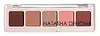 Key Ingredients
Benefits
Concerns
Ingredients Side-by-side
Synthetic Fluorphlogopite
Zinc Stearate
Cosmetic ColorantDimethicone
Emollient

Triethoxycaprylylsilane
Caprylyl Glycol
Emollient
Ethylhexylglycerin
Skin ConditioningHdi/Trimethylol Hexyllactone Crosspolymer
Silica
Abrasive


CI 77891
Cosmetic ColorantCI 77491
Cosmetic ColorantCI 77492
Cosmetic ColorantCI 77499
Cosmetic ColorantCI 75470
Cosmetic ColorantMica
Cosmetic ColorantCalcium Aluminum Borosilicate
Octyldodecyl Stearoyl Stearate
Emollient

Caprylic/Capric Triglyceride
Masking


Cetyl Dimethicone
Emollient
Calcium Titanium Borosilicate
Abrasive
Hydrogenated Palm Kernel Glycerides
EmollientDimethicone/Vinyl Dimethicone Crosspolymer
Skin Conditioning
Lauryl Dimethicone
Skin Conditioning
Tin Oxide
Abrasive
Hydrogenated Palm Glycerides
Emollient
Laureth-4
Emulsifying

CI 77000
Cosmetic ColorantCI 77163
Cosmetic Colorant
CI 19140
Cosmetic ColorantSqualane
Emollient
Trimethylsiloxysilicate
Emollient
Hydrogenated Styrene/Isoprene Copolymer
Boron Nitride
Absorbent
Pentaerythrityl Tetra-Di-T-Butyl Hydroxyhydrocinnamate
Antioxidant
Synthetic Fluorphlogopite, Zinc Stearate, Dimethicone, Triethoxycaprylylsilane, Caprylyl Glycol, Ethylhexylglycerin, Hdi/Trimethylol Hexyllactone Crosspolymer, Silica, CI 77891, CI 77491, CI 77492, CI 77499, CI 75470, Mica, Calcium Aluminum Borosilicate, Octyldodecyl Stearoyl Stearate, Caprylic/Capric Triglyceride, Cetyl Dimethicone, Calcium Titanium Borosilicate, Hydrogenated Palm Kernel Glycerides, Dimethicone/Vinyl Dimethicone Crosspolymer, Lauryl Dimethicone, Tin Oxide, Hydrogenated Palm Glycerides, Laureth-4, CI 77000, CI 77163, CI 19140, Squalane, Trimethylsiloxysilicate, Hydrogenated Styrene/Isoprene Copolymer, Boron Nitride, Pentaerythrityl Tetra-Di-T-Butyl Hydroxyhydrocinnamate
Synthetic Fluorphlogopite
Octyldodecanol
Emollient
Calcium Aluminum Borosilicate
Calcium Titanium Borosilicate
Abrasive
Squalane
Emollient
Hdi/Trimethylol Hexyllactone Crosspolymer
Polysorbate 60
Emulsifying
Vinyl Dimethicone/Methicone Silsesquioxane Crosspolymer
Caprylyl Glycol
Emollient
Potassium Chloride
Ethylhexylglycerin
Skin ConditioningChlorphenesin
Antimicrobial
Tin Oxide
Abrasive
Ethylcellulose
Water
Skin ConditioningGellan Gum
Tocopheryl Acetate
Antioxidant

Silica
Abrasive
CI 77891
Cosmetic ColorantCI 75470
Cosmetic ColorantCI 77491
Cosmetic ColorantMica
Cosmetic ColorantSynthetic Wax
Abrasive
PEG-26-PPG-30 Phosphate
CleansingCI 77499
Cosmetic ColorantCI 77492
Cosmetic ColorantMagnesium Myristate
Nylon-12

Dimethicone
Emollient
CI 77163
Cosmetic Colorant
Triethoxycaprylylsilane
Caprylic/Capric Triglyceride
Masking
Trimethylsiloxysilicate
Emollient
Phenoxyethanol
Preservative
Hydrogenated Lecithin
Emulsifying
Aluminum Hydroxide
EmollientKaolin
Abrasive
CI 77742
Cosmetic ColorantTalc
Abrasive
Polypropylene
Polymethylsilsesquioxane
CI 77007
Cosmetic ColorantSynthetic Fluorphlogopite, Octyldodecanol, Calcium Aluminum Borosilicate, Calcium Titanium Borosilicate, Squalane, Hdi/Trimethylol Hexyllactone Crosspolymer, Polysorbate 60, Vinyl Dimethicone/Methicone Silsesquioxane Crosspolymer, Caprylyl Glycol, Potassium Chloride, Ethylhexylglycerin, Chlorphenesin, Tin Oxide, Ethylcellulose, Water, Gellan Gum, Tocopheryl Acetate, Silica, CI 77891, CI 75470, CI 77491, Mica, Synthetic Wax, PEG-26-PPG-30 Phosphate, CI 77499, CI 77492, Magnesium Myristate, Nylon-12, Dimethicone, CI 77163, Triethoxycaprylylsilane, Caprylic/Capric Triglyceride, Trimethylsiloxysilicate, Phenoxyethanol, Hydrogenated Lecithin, Aluminum Hydroxide, Kaolin, CI 77742, Talc, Polypropylene, Polymethylsilsesquioxane, CI 77007
Reviews
Ingredients Explained
These ingredients are found in both products.
Ingredients higher up in an ingredient list are typically present in a larger amount.
Calcium Aluminum Borosilicate is made up of calcium, aluminum, and silicates. It is a glass-like material. In cosmetics, it comes in the form of flakes or microspheres.
Calcium aluminum borosilicate is a bulking agent, meaning it helps thicken a product.
This ingredient is created by slowly mixing several minerals, including kaolin clay.
Although “aluminum” in an ingredient name can raise red flags for some consumers, the form and usage context matter significantly. For typical topical applications, there is no substantial evidence of health risks - such as cancer, neurotoxicity, or systemic “aluminum overload.”
Learn more about Calcium Aluminum BorosilicateCalcium Titanium Borosilicate is an exfoliant.
Caprylic/Capric Triglyceride (aka MCT Oil) is a lightweight emollient, solvent, and texture enhancer. It is considered a skin-softener by helping to prevent moisture loss.
Though it behaves like an oil, it is not technically one due to its chemical composition. One perk of this ingredient is that it is very stable, resistant to oxidation, and unlikely to go rancid.
In practice, that translates to a long shelf life and a consistently elegant skin feel.
While there is an assumption Caprylic Triglyceride can clog pores due to it being derived from coconut oil, there is no research supporting this. Just patch test if you have concerns.
Fractionated coconut oil and MCT Oil are both listed as Caprylic/Capric Triglyceride according to INCI. This is because INCI names are based on the ingredient’s final chemical composition and not its marketing name or source.
This ingredient is treated as the gold standard fungal acne safe oil. Even though it is coconut derived, the problematic lauric acid is stripped out.
This leaves just caprylic (C8) and capric (C10) acid. These chain lengths actually trend antifungal; a 2020 study found caprylic acid was enough to disrupt Malassezia furfur cell membrane, with a caprylic acid derivative damaging membrane structures at concentrations as low as 0.2%.
Learn more about Caprylic/Capric TriglycerideCaprylyl Glycol is a humectant, skin conditioner, emollient, and preservative booster derived from either caprylic acid or synthetically created.
Typical use levels vary from 0.3-1% as a preservative booster and go up to 2% to condition skin.
Because it is not a free-fatty acid, this ingredient is fungal acne safe (there's nothing for Malassezia to feed on).
Learn more about Caprylyl GlycolCi 75470 is a bright-red pigment. It is AKA carmine.
Carmine is derived from insects such as the cochineal beetle. This ingredient has been used as a natural dye for over 2000 years.
CI 77163 is the color-index name for Bismuth Oxychloride, a lab-made white powder that acts as a pearl pigment.
It's what gives a lot of pressed powders, eyeshadows, highlighteres, and mineral foundations that soft pearly glow.
Due to its structure as flat, plate-like crystals that stack like tiles, it feels silky and sticks to skin well. This also makes it very chemically stable and insoluble under normal skin conditions (this just means it sits on top of skin rather than going into it).
It has an interesting quirk: it slowly goes gray in sunlight and the graying is partly reversible in the dark.
At this time, there's no legal cap on how much a brand can use. Both the FDA and the EU permit it without restriction so real-world concentration levels come down to formulation:
Allergy risk is low as well since it's insoluble and doesn't release free metal ions into skin. True allergic contact dermatitis to it is rare enough that there's very little published cases.
However, mineral makeup users do report itching or stinging. The leading explanation for this is irritation from those stiff platelet crystals rubbing on skin (also more likely with heavy, high-percentage loose mineral powders) rather than an immune reaction.
This ingredient shows up on a lot of "pore-clogging" lists but there's no real evidence behind that. It doesn't even have a comedogenic rating from an actual study; the numbers you'll find online come from blogs citing other blogs.
Some people still find it breaks them out. So if that's you, definitely trust your skin.
Learn more about CI 77163Ci 77491 is also hydrated iron III oxide. It's sole purpose is to give a red/pink hue to products.
Iron III oxides are classified as inorganic chemicals for coloring.
Synthetically created Ci 77491 is considered safer than those naturally found. This is because the synthetically created version may contain less impurities. Iron oxides are generally non-toxic and non-allergenic.
Learn more about CI 77491CI 77492 is also hydrated iron III oxide. It's sole purpose is to give a yellow hue to products.
Iron III oxides are classified as inorganic chemicals for coloring.
Synthetically created CI 77492 is considered safer than those naturally found. This is because the synthetically created version may contain less impurities. Iron oxides are generally non-toxic and non-allergenic.
Learn more about CI 77492Ci 77499 is also hydrated iron III oxide. It is created from mixing red and black iron oxides. This helps give shades of darkness to a product.
Iron III oxides are classified as inorganic chemicals for coloring.
Ci 77891 is a white pigment from Titanium dioxide. It is naturally found in minerals such as rutile and ilmenite.
It's main function is to add a white color to cosmetics. It can also be mixed with other colors to create different shades.
Ci 77891 is commonly found in sunscreens due to its ability to block UV rays.
Learn more about CI 77891Dimethicone is a type of synthetic silicone created from natural materials such as quartz. It is also known as polydimethylsiloxane.
What it does:
Dimethicone comes in different viscosities:
Depending on the viscosity, dimethicone has different properties.
Ingredients lists don't always show which type is used, so we recommend reaching out to the brand if you have questions about the viscosity.
This ingredient is unlikely to cause irritation because it does not get absorbed into skin. However, people with silicone allergies should be careful about using this ingredient.
Note: Dimethicone may contribute to pilling. This is because it is not oil or water soluble, so pilling may occur when layered with products. When mixed with heavy oils in a formula, the outcome is also quite greasy.
Learn more about DimethiconeEthylhexylglycerin is created from glycerin. It is a multitasker ingredient that:
The CIR Expert Panel found minimal skin absorption or sensitization of any kind in a safety assessment. Though this ingredient is considered well-tolerated, a small number of cases of allergic dermatitis have been published since 2002. Just be sure to patch test if you are unsure.
Industry-reported use ranges from 8% in rinse-off products and 2% in leave-on formulations.
Learn more about EthylhexylglycerinThis ingredient is a powder used to improve texture, slip, and give products a silky texture.
Mica is a naturally occurring mineral used to add shimmer and color in cosmetics. It can also help improve the texture of a product or give it an opaque, white/silver color.
Serecite is the name for very fine but ragged grains of mica.
This ingredient is often coated with metal oxides like titanium dioxide. Trace amounts of heavy metals may be found in mica, but these metals are not harmful in our personal products.
Mica has been used since prehistoric times throughout the world. Ancient Egyptian, Indian, Greek, Roman, Aztec, and Chinese civilizations have used mica.
Learn more about MicaSilica, also known as silicon dioxide, is a naturally occurring mineral. It is used as a fine, spherical, and porous powder in cosmetics.
Though it has exfoliant properties, the function of silica varies depending on the product.
The unique structure of silica enhances the spreadability and adds smoothness, making it a great texture enhancer.
It is also used as an active carrier, emulsifier, and mattifier due to its ability to absorb excess oil.
In some products, tiny microneedles called spicules are made from silica or hydrolyzed sponge. When you rub them in, they lightly polish away dead skin layers and enhance the penetration of active ingredients.
Learn more about SilicaSqualane is the hydrogenated and shelf-stable form of squalene (a lipid that naturally occurs in human sebum).
It is an emollient and skin conditioning agent that is able to integrate seamlessly into the skin's lipid barrier without clogging pores.
This is due to how structurally similar it is to what your skin already produces.
Though it is mostly an emollient that helps soften and hydrate skin, it also has some humectant and occlusive action. Humectants help the skin retain moisture while occlusives seal it in, making squalane a triple-threat moisturizer.
Research shows it has antioxidant capabilities that help protect against stressors like UV exposure, specifically UVA induced oxidative stress. This study also found that it supports collagen biosynthesis in human dermal fibroblasts.
No clinical study has reported significant adverse effects and irritation reactions are very rare from this ingredient (even at 100% concentration).
Overall, it's a fantastic ingredient for hydration and is suitable for all skin types.
This depends on the source. Squalane can be derived from both plants and animals. Most squalane used in skincare comes from plants.
Please note: the source of squalane is only known if disclosed by the brand. We recommend reaching out to the brand if you have any questions about their squalane.
Read more about squalene with an "e".
Though squalane is often called an oil, it’s technically not one. It is a hydrocarbon, meaning it is only made of carbon and hydrogen. True oils are triglycerides and made of fatty acids and glycerol.
The term “oil-free” isn’t regulated so companies can define it however they want. Some exclude all oils, while others just avoid mineral oil or comedogenic oils.
Squalane has a comedogenic rating of 1 from the original 1972 study that tested raw ingredients under occlusion on rabbit ears. This system is not standardized or peer-reviewed, and using the raw ingredients is very different from how diluted cosmetic formulations are used on human skin.
A comedogenic rating of 1 means it is "unlikely to clog pores" according to the original rating system.
The overall formula of a product matters more than the individual ingredients on whether or not it will cause clogged pores.
Learn more about SqualaneSynthetic Fluorphlogopite is the synthethic version of mica. It consists of fluorine, aluminum and silicate.
Synthetic Fluorphlogopite is used to add volume to products.
It is considered non-irritating on the skin.
Learn more about Synthetic FluorphlogopiteTin Oxide is an inorganic oxide used to add opacity and volume to a product. In nature, it is already found in mineral form. The main ore of tin is an opaque and shiny mineral called casseterite.
Tin Oxide helps remove translucency in a product, or make it more opaque. Besides adding opacity, tin oxide is used for bulking to add volume.
Triethoxycaprylylsilane is a silicon-based surface modifier that makes sunscreens feel silky and makeup stay put.
Its main job is to coat mineral particles like titanium dioxide, zinc oxide, and color pigments in a thin, oily layer so they spread smoothly, don't clump, and stick to skin better.
This ingredient is typically used at low levels (up to 2.5% in eyeshadow and 1% in lipstick).
Learn more about TriethoxycaprylylsilaneThis silicone is an emollient. Emollients create a thin film on the skin to prevent moisture from escaping.
It is not soluble in water and helps increase water-resistance in products.
According to a manufacturer, it can blend seamlessly with silicone oils, such as Cyclopentasiloxane.
Learn more about Trimethylsiloxysilicate

