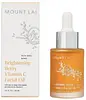
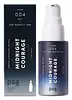
Mount Lai Brightening Berry Vitamin C Facial Oil Versus PSA SKIN Midnight Courage Rosehip & Bakuchiol Retinol Night Oil
This brightening oil is formulated around Tetrahexyldecyl Ascorbate and Argania Spinosa Kernel Oil to brighten dull-looking skin and hydrate skin.
This anti-aging oil is formulated around Rosa Canina Fruit Oil and Bakuchiol to soften the look of wrinkles and refine skin texture.


What's inside
What's inside
 Key Ingredients
Benefits
Concerns
Ingredients Side-by-side
Carthamus Tinctorius Seed Oil
Masking



Helianthus Annuus Seed Oil
Emollient
Argania Spinosa Kernel Oil
Emollient



Ribes Nigrum Seed Oil
Emollient
Tetrahexyldecyl Ascorbate
Antioxidant






Lycium Barbarum Seed Oil
Skin Conditioning
Rosa Rubiginosa Seed Oil
Emollient
Rubus Idaeus Seed Oil
Emollient
Hippophae Rhamnoides Oil
Emollient
Cannabis Sativa Seed Oil
Emollient
Lycium Barbarum Fruit Extract
Astringent
Sambucus Nigra Fruit Extract
AstringentTocopheryl Acetate
Antioxidant
Rosmarinus Officinalis Leaf Extract
AntimicrobialCarthamus Tinctorius Seed Oil, Helianthus Annuus Seed Oil, Argania Spinosa Kernel Oil, Ribes Nigrum Seed Oil, Tetrahexyldecyl Ascorbate, Lycium Barbarum Seed Oil, Rosa Rubiginosa Seed Oil, Rubus Idaeus Seed Oil, Hippophae Rhamnoides Oil, Cannabis Sativa Seed Oil, Lycium Barbarum Fruit Extract, Sambucus Nigra Fruit Extract, Tocopheryl Acetate, Rosmarinus Officinalis Leaf Extract
Helianthus Annuus Seed Oil
Emollient
Rosa Canina Fruit Oil
Emollient
Carthamus Tinctorius Seed Oil
Masking
Dimethyl Isosorbide
SolventRibes Nigrum Seed Oil
Emollient
Punica Granatum Seed Oil
Emollient
Tocopheryl Acetate
Antioxidant
Caprylyl Glycol
Emollient
Bakuchiol
Antimicrobial

Hydroxypinacolone Retinoate
Skin Conditioning

Ubiquinone
Antioxidant
Tocopherol
Antioxidant
Oxycoccus Palustris Seed Oil
Antioxidant
Adansonia Digitata Seed Oil
Emollient
Rosmarinus Officinalis Leaf Extract
AntimicrobialEthylhexylglycerin
Skin ConditioningPhenoxyethanol
Preservative
Helianthus Annuus Seed Oil, Rosa Canina Fruit Oil, Carthamus Tinctorius Seed Oil, Dimethyl Isosorbide, Ribes Nigrum Seed Oil, Punica Granatum Seed Oil, Tocopheryl Acetate, Caprylyl Glycol, Bakuchiol, Hydroxypinacolone Retinoate, Ubiquinone, Tocopherol, Oxycoccus Palustris Seed Oil, Adansonia Digitata Seed Oil, Rosmarinus Officinalis Leaf Extract, Ethylhexylglycerin, Phenoxyethanol
Ingredients Explained
These ingredients are found in both products.
Ingredients higher up in an ingredient list are typically present in a larger amount.
Carthamus Tinctorius Seed Oil comes from the seeds of the safflower plant. It is a skin conditioning agent that helps soften skin and keep it hydrated.
This seed oil has an unusual fatty acid profile: it is one of the highest linoleic acid plant oils out there (~55-77%). It also has low amounts of oleic acid, and this high-linoleic/low-oleic ratio gets people excited.
Linoleic acid helps maintain skin barrier integrity and is a building block for the ceramides in your stratum corneum. Notably, people with acne tend to have lower linoleic acid in their skin lipids as well (and this gets worse as acne gets more severe).
Overall, it's a lightweight, fast-absorbing oil that has a long safety track record. Lab testing has found it to be non-irritating for skin or eyes.
The Malassezia yeast can metabolize the fatty acids in this oil to grow; therefore this ingredient may not be fungal acne safe.
Learn more about Carthamus Tinctorius Seed OilHelianthus Annuus Seed Oil is a plant oil derived from the seeds of a sunflower.
It is rich in fatty acids, primarily linoleic acid and oleic acid. This gives it emollient and skin conditioning properties.
The reason this ingredient is so effective is because it forms a thin film on the skin that reduces transepidermal water loss (TEWL) while supplying linoleic acid to the stratum corneum to improve barrier strength.
The high linoleic acid content is particularly noteworthy for acne-prone skin.
Research suggests that acne-prone skin tends to be deficient in linoleic acid in sebum. Topical application may help replenish this to support a healthier follicular environment and less comedone-promoting sebum.
One randomized study found sunflower seed oil preserved skin barrier integrity in adult volunteers with and without atopic dermatitis (outperforming olive oil).
This ingredient is well-studied, gentle, and an effective emollient suitable for most skin types.
On fungal acne: This ingredient may not be Fungal acne (Malassezia folliculitis) safe. This is because it contains fatty acids with carbon chain lengths in the C11-C24 range.
Learn more about Helianthus Annuus Seed OilRibes Nigrum Seed Oil is oil from the seeds of Black Currant. A more common name for this ingredient is Black Currant Seed Oil.
Black Currant Seed Oil contains a high amount of omega-6 and omega-3 fatty acids. It also contains linoleic acid.
Black currant berries contain anthocyanins, an antioxidant. Antioxidants help fight free-radicals. Free-radicals are molecules that may damage your skin cells, such as pollution.
Black currant berries also contain Vitamin E and fatty acids. It can help soften the skin.
Learn more about Ribes Nigrum Seed OilThis is a botanical extract from the rosemary plant (the same one you cook with). In skincare, it mostly works as a skin conditioning agent.
Its activity comes from a handful of polyphenols, carnosic acid, carnosol, and rosmarinic acid. Almost 90% of the antioxidant activity of this ingredient can be attributed to canosol and carnosic acid.
These compounds protect your skin two ways:
1) They fight off free radicals, or the unstable molecules from things like sun and pollution that age and damage skin.
2) They help calm inflammation by switching off the chemical signals that tell skin to get red and irritated.
Lab studies also suggest that rosmarinic acid may help protect collagen and slow sugar-related damage to it.
The Cosmetic Ingredient Review has concluded rosemary-derived ingredients to be safe when formulated to be non-sensitizing.
Rosemary can occasionally cause allergic contact dermatitis (due to carnosol), so be sure to patch test if you have reactive or fragrance-sensitive skin.
Learn more about Rosmarinus Officinalis Leaf ExtractTocopheryl Acetate is a stable, shelf-friendly form of vitamin E.
Formulators love it because plain vitamin E oxidizes quickly once it hits air. This acetate version stays stable and resists going off, helping to extend a product's shelf life.
It's actually inactive on its own and works like a slow-release "storage" form; the enzymes in your skin called esterases gradually convert it into active vitamin E over time.
One in vivo study showed 5% of the acetate in the living layer of the epidermis converted to vitamin E after 5 days of application. This study also found the skin gained protection against UV damage even though the conversion was slow and small.
Once converted, vitamin E acts as a skin's main fat-soluble antioxidant that fights free radicals to protect skin from damage.
Topical vitamin E generally boosts the skin's photoprotection, and it reduced UV-damage in animal models.
This ingredient has some brightening potential but it's more of a prevention ingredient than spot-fader. Cell studies show it can slow down melanin production but it's worth noting that it's not the most powerful brightener out there.
Overall, it has a pretty solid safety profile and has been found to be non-irritating and non-comedogenic. Allergic reactions may happen but stay rare due to how widely the ingredient gets used.
The concentration will vary depending on the formula; industry data shows 0.1% in baby lotions, 3% in lipsticks, and 5% in foot powders. You can also find this ingredient at 100% in a pure vitamin E oil.
Most leave-on skincare keeps it at the lower end, often between 0.5-1%.
Learn more about Tocopheryl Acetate

