

What's inside
What's inside
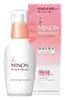 Key Ingredients
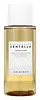
Benefits
Concerns
No concerns
Ingredients Side-by-side
Water
Skin ConditioningGlycerin
Humectant


Butylene Glycol
Humectant
Propanediol
Solvent
Methyl Gluceth-20
Humectant
PEG-75
HumectantSerine
Masking
Betaine
Humectant
Sodium Citrate
BufferingDipotassium Glycyrrhizate
Humectant
PEG-50 Hydrogenated Castor Oil Triisostearate
Emulsifying
Phytosteryl/Octyldodecyl Lauroyl Glutamate
Skin ConditioningPhenoxyethanol
Preservative
Arginine
Masking
Citric Acid
Buffering


PEG-60 Hydrogenated Castor Oil
Emulsifying
Tocopherol
Antioxidant



Sodium PCA
Humectant
Alanine
Masking
Lysine Hcl
Skin Conditioning
PCA Ethyl Cocoyl Arginate
Moisturising
Glycine
Buffering
Ceteth-20
CleansingThreonine
Valine
MaskingHistidine
Humectant
Proline
Skin Conditioning
Leucine
Skin ConditioningPentasodium Pentetate
Carnosine
Skin Conditioning
Polyquaternium-61
Skin Conditioning1,2-Hexanediol
Skin Conditioning
Hydrogenated Lecithin
Emulsifying
Polyglyceryl-10 Laurate
Skin Conditioning
Sodium Hyaluronate
Humectant
Hydrolyzed Hyaluronic Acid
Humectant
Water, Glycerin, Butylene Glycol, Propanediol, Methyl Gluceth-20, PEG-75, Serine, Betaine, Sodium Citrate, Dipotassium Glycyrrhizate, PEG-50 Hydrogenated Castor Oil Triisostearate, Phytosteryl/Octyldodecyl Lauroyl Glutamate, Phenoxyethanol, Arginine, Citric Acid, PEG-60 Hydrogenated Castor Oil, Tocopherol, Sodium PCA, Alanine, Lysine Hcl, PCA Ethyl Cocoyl Arginate, Glycine, Ceteth-20, Threonine, Valine, Histidine, Proline, Leucine, Pentasodium Pentetate, Carnosine, Polyquaternium-61, 1,2-Hexanediol, Hydrogenated Lecithin, Polyglyceryl-10 Laurate, Sodium Hyaluronate, Hydrolyzed Hyaluronic Acid






Reviews
Ingredients Explained
These ingredients are found in both products.
Ingredients higher up in an ingredient list are typically present in a larger amount.
1,2-Hexanediol is a synthetic liquid and another multi-functional powerhouse.
It is a:
- Humectant, drawing moisture into the skin
- Emollient, helping to soften skin
- Solvent, dispersing and stabilizing formulas
- Preservative booster, enhancing the antimicrobial activity of other preservatives
Betaine is a humectant. Like hyaluronic acid, it helps attract and retain moisture in the skin. It’s known for being gentle and for helping the skin maintain balanced hydration.
Betaine is mainly used to improve hydration and support calmer skin. It helps skin cells regulate water balance because it functions as an osmolyte.
Some studies suggest betaine may support making skin tone more even.
Fun fact: Betaine naturally exists in the skin and the body. In cosmetic products, it can be either plant-derived (most commonly from sugar beets) or synthetically produced for consistency and stability.
Betaine is also known as trimethylglycine.
Learn more about BetaineDipotassium Glycyrrhizate comes from licorice root.
Extracts of licorice have demonstrated to have antibacterial, anti‐inflammatory, antiviral, antioxidant properties.
One component, glabridin, has extra potent antioxidant and soothing properties. It has also been found to block pigmentation from UVB rays in guinea pigs.
Licorice Root also contains a flavonoid. Flavonoids are a natural substance from in plants. Flavonoids also have antioxidant properties.
Another component, glycyrrhizin, has been found to have anti-inflammatory and antimicrobial benefits. This may make licorice root extract effective at treating acne. However, more research is needed to support this.
Liquiritin is one of the flavone compounds found in licorice. It has been found to help lighten skin by preventing tyrosinase from reacting with tyrosine. When the two react, protein is converted to melanin. Melanin is the substance in your body that gives your features pigmentation.
Licorice root is native to Southern Europe and Asia. It has been used in traditional Chinese medicine to help with respiratory issues.
Learn more about Dipotassium GlycyrrhizateSodium Citrate is the sodium salts of citric acid. In skincare, it is used to alter pH levels and acts as a preservative.
Its main functions are to maintain the pH of a product and neutralize metal ions.
The acidity of our skin is maintained by our glands and skin biome; normal pH level of skin is slightly acidic (~4.75-5.5).
Being slightly acidic allows our skin to create an "acid mantle". This acid mantle is a thin barrier that protects our skin from bacteria and contaminants.
Learn more about Sodium CitrateWater. It's the most common cosmetic ingredient of all. You'll usually see it at the top of ingredient lists, meaning that it makes up the largest part of the product.
So why is it so popular? Water most often acts as a solvent - this means that it helps dissolve other ingredients into the formulation.
You'll also recognize water as that liquid we all need to stay alive. If you see this, drink a glass of water. Remember to stay hydrated!
Learn more about Water

