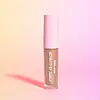
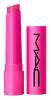
Milk Jelli Beyouty by Janay | Dulce de Leche - Lip Gloss Versus Mac Cosmetics Squirt Plumping Gloss Stick

What's inside
What's inside
 Key Ingredients
Benefits
Concerns
Ingredients Side-by-side
Hydrogenated Polyisobutene
EmollientPolybutene
Polyisobutene
Caprylic/Capric Triglyceride
Masking


Ethylene/Propylene/Styrene Copolymer
Tocopheryl Acetate
Antioxidant


Simmondsia Chinensis Seed Oil
Emollient



Butylene/Ethylene/Styrene Copolymer
Pentaerythrityl Tetra-Di-T-Butyl Hydroxyhydrocinnamate
Antioxidant
Caprylyl Glycol
Emollient
Phenoxyethanol
Preservative
Hexylene Glycol
EmulsifyingMica
Cosmetic ColorantSynthetic Fluorphlogopite
CI 77891
Cosmetic ColorantSilica
Abrasive


CI 77491
Cosmetic ColorantCI 16255
Cosmetic ColorantCI 15850
Cosmetic ColorantCI 73360
Cosmetic ColorantCI 16035
Cosmetic ColorantCI 45380
Cosmetic ColorantCI 19140
Cosmetic ColorantCI 15985
Cosmetic ColorantCI 45370
Cosmetic ColorantHydrogenated Polyisobutene, Polybutene, Polyisobutene, Caprylic/Capric Triglyceride, Ethylene/Propylene/Styrene Copolymer, Tocopheryl Acetate, Simmondsia Chinensis Seed Oil, Butylene/Ethylene/Styrene Copolymer, Pentaerythrityl Tetra-Di-T-Butyl Hydroxyhydrocinnamate, Caprylyl Glycol, Phenoxyethanol, Hexylene Glycol, Mica, Synthetic Fluorphlogopite, CI 77891, Silica, CI 77491, CI 16255, CI 15850, CI 73360, CI 16035, CI 45380, CI 19140, CI 15985, CI 45370
Diisostearyl Malate
EmollientPolybutene
Polyglyceryl-2 Triisostearate
Emulsifying
Bis-Diglyceryl Polyacyladipate-2
Emollient
Caprylic/Capric Triglyceride
Masking
Microcrystalline Wax
Emulsion StabilisingSynthetic Wax
Abrasive
Sodium Hyaluronate
Humectant


Butyrospermum Parkii Butter
Skin Conditioning

Persea Gratissima Oil
Skin Conditioning
Glycine Soja Oil
Emollient

Capsicum Frutescens Fruit Extract
Skin Conditioning
Zingiber Officinale Root Oil
Masking


Menthoxypropanediol
Masking
Stearalkonium Hectorite
Gel FormingMenthol
Masking

Paraffin
Skin Conditioning
Isohexadecane
EmollientHydrogenated Coconut Oil
Emollient
Vanillyl Butyl Ether
MaskingHydrogenated Polyisobutene
EmollientMethyl Nicotinate
SoothingTripeptide-1
Skin Conditioning
Propylene Carbonate
SolventEthylene/Propylene Copolymer
Abrasive
Ethylene/Propylene/Styrene Copolymer
Butylene/Ethylene/Styrene Copolymer
Xanthan Gum
EmulsifyingTin Oxide
Abrasive
Synthetic Fluorphlogopite
Caprylyl Glycol
Emollient
Hexylene Glycol
EmulsifyingVanillin
Masking
Pentaerythrityl Tetra-Di-T-Butyl Hydroxyhydrocinnamate
Antioxidant
Phenoxyethanol
Preservative
Mica
Cosmetic ColorantCI 77891
Cosmetic ColorantCI 77491
Cosmetic ColorantCI 77492
Cosmetic ColorantCI 77499
Cosmetic ColorantCI 77163
Cosmetic Colorant
CI 42090
Cosmetic ColorantCI 77400
Cosmetic ColorantCI 77742
Cosmetic ColorantCI 15850
Cosmetic ColorantCI 45380
Cosmetic ColorantCI 45410
Cosmetic ColorantCI 73360
Cosmetic ColorantCI 17200
Cosmetic ColorantCI 19140
Cosmetic ColorantCI 15985
Cosmetic ColorantDiisostearyl Malate, Polybutene, Polyglyceryl-2 Triisostearate, Bis-Diglyceryl Polyacyladipate-2, Caprylic/Capric Triglyceride, Microcrystalline Wax, Synthetic Wax, Sodium Hyaluronate, Butyrospermum Parkii Butter, Persea Gratissima Oil, Glycine Soja Oil, Capsicum Frutescens Fruit Extract, Zingiber Officinale Root Oil, Menthoxypropanediol, Stearalkonium Hectorite, Menthol, Paraffin, Isohexadecane, Hydrogenated Coconut Oil, Vanillyl Butyl Ether, Hydrogenated Polyisobutene, Methyl Nicotinate, Tripeptide-1, Propylene Carbonate, Ethylene/Propylene Copolymer, Ethylene/Propylene/Styrene Copolymer, Butylene/Ethylene/Styrene Copolymer, Xanthan Gum, Tin Oxide, Synthetic Fluorphlogopite, Caprylyl Glycol, Hexylene Glycol, Vanillin, Pentaerythrityl Tetra-Di-T-Butyl Hydroxyhydrocinnamate, Phenoxyethanol, Mica, CI 77891, CI 77491, CI 77492, CI 77499, CI 77163, CI 42090, CI 77400, CI 77742, CI 15850, CI 45380, CI 45410, CI 73360, CI 17200, CI 19140, CI 15985
Reviews
Ingredients Explained
These ingredients are found in both products.
Ingredients higher up in an ingredient list are typically present in a larger amount.
This ingredient is a high-molecular weight synthetic polymer. It is used to modify the viscosity of a formula, improve slip, and create a more "cushiony" texture.
Due to its large molecular size, this ingredient is not absorbed into the skin.
Caprylic/Capric Triglyceride (aka MCT Oil) is a lightweight emollient, solvent, and texture enhancer. It is considered a skin-softener by helping to prevent moisture loss.
Though it behaves like an oil, it is not technically one due to its chemical composition. One perk of this ingredient is that it is very stable, resistant to oxidation, and unlikely to go rancid.
In practice, that translates to a long shelf life and a consistently elegant skin feel.
While there is an assumption Caprylic Triglyceride can clog pores due to it being derived from coconut oil, there is no research supporting this. Just patch test if you have concerns.
Fractionated coconut oil and MCT Oil are both listed as Caprylic/Capric Triglyceride according to INCI. This is because INCI names are based on the ingredient’s final chemical composition and not its marketing name or source.
This ingredient is treated as the gold standard fungal acne safe oil. Even though it is coconut derived, the problematic lauric acid is stripped out.
This leaves just caprylic (C8) and capric (C10) acid. These chain lengths actually trend antifungal; a 2020 study found caprylic acid was enough to disrupt Malassezia furfur cell membrane, with a caprylic acid derivative damaging membrane structures at concentrations as low as 0.2%.
Learn more about Caprylic/Capric TriglycerideCaprylyl Glycol is a humectant, skin conditioner, emollient, and preservative booster derived from either caprylic acid or synthetically created.
Typical use levels vary from 0.3-1% as a preservative booster and go up to 2% to condition skin.
Because it is not a free-fatty acid, this ingredient is fungal acne safe (there's nothing for Malassezia to feed on).
Learn more about Caprylyl GlycolCi 15850 is the pigment color red. It is an azo dye and created synthetically.
Azo dyes need to be thoroughly purified before use. This allows them to be more stable and longer-lasting.
This ingredient is common in foundations, lipsticks, and blushes. This color is described as brown/orangey red.
It has many secondary names such as Red 6 and Red 7. According to a manufacturer, Red 6 usually contains aluminum.
Learn more about CI 15850Ci 15985 is a dye made from petroleum. It is synthetically created and approved by the FDA for use in foods and cosmetics.
The color of this dye is orange/yellow.
This ingredient can be found in makeup, sun care, and skincare.
Learn more about CI 15985CI 19140 is also known as Tartrazine. Tartrazine is a synthetic dye used in cosmetics, foods, and medicine to add a yellow color.
Tartrazine is created from petroleum and is water-soluble.
Some people may experience allergies from this dye, especially asthmatics and those with an aspirin intolerance.
Learn more about CI 19140Ci 45380 is a synthetic dye that comes from coal or tar sources. Due to this, it is often used in small quantities.
A common name for this dye is Red 22. Red 22 imparts a warm reddish color.
Similar to Red 27, this dye changes color based on pH and moisture levels.
This dye is colorless when dry but turns pink between pH levels 0.0 to ~3.0.
Learn more about CI 45380Ci 73360 is a synthetic red-pink dye.
It is soluble in water and remains chemically stable across a range of pH levels typically used in cosmetics. This helps manufacturers maintain uniform color throughout a product’s shelf life.
Because this ingredient is a regulated cosmetic colorant, its purity, manufacturing standards, and allowed uses are defined by cosmetic regulations in major markets.
Learn more about CI 73360Ci 77491 is also hydrated iron III oxide. It's sole purpose is to give a red/pink hue to products.
Iron III oxides are classified as inorganic chemicals for coloring.
Synthetically created Ci 77491 is considered safer than those naturally found. This is because the synthetically created version may contain less impurities. Iron oxides are generally non-toxic and non-allergenic.
Learn more about CI 77491Ci 77891 is a white pigment from Titanium dioxide. It is naturally found in minerals such as rutile and ilmenite.
It's main function is to add a white color to cosmetics. It can also be mixed with other colors to create different shades.
Ci 77891 is commonly found in sunscreens due to its ability to block UV rays.
Learn more about CI 77891This is a synthetic polymer used to thicken formulas, improve texture, and enhance spreadability.
Due to its large molecule size, this ingredient does not penetrate the skin and is considered well-tolerated.
Hexylene Glycol is a multitasker ingredient that works as a solvent, humectant, emulsifier, viscosity reducer, and preservative booster.
It is able to dissolve both water and oil-soluble ingredients to stabilize tricky actives and make products spread more easily.
As a humectant, it pulls water into the skin. But it's a pretty minor moisturizing ingredient compared to other humectants, like glycerin.
Interestingly, it can act as a mild penetration enhancer. One in vitro study on human skin found a 12% concentration upped the absorption of mometasone furoate (a medicinal ingredient used to treat inflammatory skin conditions) up to 7%.
This ingredient is typically used at levels of 0.1-10% depending on the role it's playing.
A patch test study on eczema patients didn't find a significant increase in irritation versus the control group, but the potential for irritation rises at higher concentrations.
Learn more about Hexylene GlycolHydrogenated Polyisobutene is a synthetic polymer. Polymers are compounds with high molecular weight. Hydrogenated Polyisobutene is an emollient and texture enhancer.
In one study, Hydrogenated Polyisobutene showed better skin hydration levels than Caprylic/Capric Triglyceride. As an emollient, it helps keep your skin soft and hydrated by trapping moisture in.
Hydrogenated Polyisobutene is often used as a mineral oil replacement.
Learn more about Hydrogenated PolyisobuteneMica is a naturally occurring mineral used to add shimmer and color in cosmetics. It can also help improve the texture of a product or give it an opaque, white/silver color.
Serecite is the name for very fine but ragged grains of mica.
This ingredient is often coated with metal oxides like titanium dioxide. Trace amounts of heavy metals may be found in mica, but these metals are not harmful in our personal products.
Mica has been used since prehistoric times throughout the world. Ancient Egyptian, Indian, Greek, Roman, Aztec, and Chinese civilizations have used mica.
Learn more about MicaPentaerythrityl Tetra-Di-T-Butyl Hydroxyhydrocinnamate (long name, huh?) is a synthetic antioxidant.
It is used to help stabilize other antioxidants or prevent the color from changing in a product.
As an antioxidant, it helps fight free-radical molecules. Free-radical molecules are capable of damaging our cells and other genetic material. Thus, antioxidants may reduce the signs of aging.
This ingredient is oil-soluble.
Learn more about Pentaerythrityl Tetra-Di-T-Butyl HydroxyhydrocinnamatePhenoxyethanol is one of the most widely used preservatives in skincare (and for good reason!).
It has a large spectrum of antimicrobial activity and especially effective bacteria, yeast, and mold while only having a weak effect on your skin's natural microbiome.
On a cellular level, it disrupts the cell membranes of microbes by poking holes that make the cell leak. This shuts down the chemical reactions the microbe needs to make energy so it can no longer survive.
Another perk of this ingredient is that it stays functional across a wide pH range (3-10).
You'll often see it paired with boosters like Ethylhexylglycerin; one study showed that a 1:9 ratio of Ethylhexylglycerin to Phenoxyethanol damages bacterial membranes as effectively as doubling the Phenoxyethanol concentration on its own.
Typical use concentrations range from 0.3-1% depending on the formula, and this ingredient is capped at 1% int the EU.
Safety-wise, the fear mongering does not hold up to the evidence. The EU's Scientific Committee on Consumer Safety and FDA consider it safe as a preservative at up to 1%, including for children of all ages.
Adverse systemic effects only showed up in animal studies at exposures roughly 200x higher than what people get from cosmetics. And despite its very widespread use, this ingredient is a rare sensitizer and allergic reactions are uncommon.
Learn more about PhenoxyethanolPolybutene is used to help control the viscosity of a product. This just means it helps adjusts the texture.
It is a polymer and does not get absorbed into the skin due to its large size.
Studies found this ingredient did not irritate skin in concentrations below 15%.
Learn more about PolybuteneSynthetic Fluorphlogopite is the synthethic version of mica. It consists of fluorine, aluminum and silicate.
Synthetic Fluorphlogopite is used to add volume to products.
It is considered non-irritating on the skin.
Learn more about Synthetic Fluorphlogopite

