
What's inside
What's inside
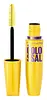 Key Ingredients
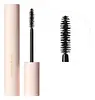
Benefits
Concerns
Ingredients Side-by-side
Water
Skin ConditioningParaffin
Perfuming
Potassium Cetyl Phosphate
EmulsifyingBeeswax
Emulsion Stabilising


Copernicia Cerifera Wax
Acacia Senegal Gum
MaskingGlycerin
Humectant


Cetyl Alcohol
Emollient

Hydroxyethylcellulose
Emulsion StabilisingSodium Polymethacrylate
Emulsion StabilisingHydrogenated Jojoba Oil
Abrasive

Hydrogenated Palm Oil
Emollient
Phenethyl Alcohol
MaskingPhenoxyethanol
Preservative
Steareth-20
CleansingPEG/PPG-17/18 Dimethicone
Emulsifying
Polyquaternium-10
Silica
Abrasive

Soluble Collagen
Humectant
Simethicone
Emollient
Panthenol
Skin Conditioning

Disodium EDTA
CI 77491
Cosmetic ColorantCI 77492
Cosmetic ColorantCI 77499
Cosmetic ColorantCI 77891
Cosmetic ColorantCI 77007
Cosmetic ColorantCI 77288
Cosmetic ColorantCI 77289
Cosmetic ColorantCI 77742
Cosmetic ColorantCI 77510
Cosmetic ColorantMica
Cosmetic ColorantWater, Paraffin, Potassium Cetyl Phosphate, Beeswax, Copernicia Cerifera Wax, Acacia Senegal Gum, Glycerin, Cetyl Alcohol, Hydroxyethylcellulose, Sodium Polymethacrylate, Hydrogenated Jojoba Oil, Hydrogenated Palm Oil, Phenethyl Alcohol, Phenoxyethanol, Steareth-20, PEG/PPG-17/18 Dimethicone, Polyquaternium-10, Silica, Soluble Collagen, Simethicone, Panthenol, Disodium EDTA, CI 77491, CI 77492, CI 77499, CI 77891, CI 77007, CI 77288, CI 77289, CI 77742, CI 77510, Mica
Water
Skin ConditioningCopernicia Cerifera Cera
Emollient
Glyceryl Stearate
Emollient
Hydrogenated Olive Oil Stearyl Esters
Emulsion Stabilising
Synthetic Wax
Abrasive
Stearic Acid
Cleansing
Helianthus Annuus Seed Wax
Skin Conditioning
Palmitic Acid
Emollient
Butylene Glycol
Humectant
Polyacrylate-21
Olea Europaea Oil Unsaponifiables
Skin Conditioning
Aminomethyl Propanol
BufferingRicinus Communis Seed Oil
Masking
Synthetic Beeswax
Emulsion Stabilising
Phenoxyethanol
Preservative
Caprylyl Glycol
Emollient
Galactoarabinan
Rhus Succedanea Fruit Wax
Shorea Robusta Resin
TonicHydroxyethylcellulose
Emulsion StabilisingSodium Dehydroacetate
Preservative
Xanthan Gum
EmulsifyingTrideceth-6 Phosphate
EmulsifyingHydroxyacetophenone
Antioxidant
Dipropylene Glycol
HumectantGlyceryl Caprylate
EmollientTocopherol
Antioxidant


CI 77499
Cosmetic ColorantCI 77007
Cosmetic ColorantWater, Copernicia Cerifera Cera, Glyceryl Stearate, Hydrogenated Olive Oil Stearyl Esters, Synthetic Wax, Stearic Acid, Helianthus Annuus Seed Wax, Palmitic Acid, Butylene Glycol, Polyacrylate-21, Olea Europaea Oil Unsaponifiables, Aminomethyl Propanol, Ricinus Communis Seed Oil, Synthetic Beeswax, Phenoxyethanol, Caprylyl Glycol, Galactoarabinan, Rhus Succedanea Fruit Wax, Shorea Robusta Resin, Hydroxyethylcellulose, Sodium Dehydroacetate, Xanthan Gum, Trideceth-6 Phosphate, Hydroxyacetophenone, Dipropylene Glycol, Glyceryl Caprylate, Tocopherol, CI 77499, CI 77007
Reviews
Ingredients Explained
These ingredients are found in both products.
Ingredients higher up in an ingredient list are typically present in a larger amount.
This pigment is called Ultramarine blue lazurite. It gives a saturated blue color, but can be used to create other colors as well.
According to the manufacturer, it is usually made from kaolin, sodium sulfate, sodium carbonate, sulfur, and charcoal.
Ci 77499 is also hydrated iron III oxide. It is created from mixing red and black iron oxides. This helps give shades of darkness to a product.
Iron III oxides are classified as inorganic chemicals for coloring.
Hydroxyethylcellulose is used to improve the texture of products. It is created from a chemical reaction involving ethylene oxide and alkali-cellulose. Cellulose is a sugar found in plant cell walls and help give plants structure.
This ingredient helps stabilize products by preventing ingredients from separating. It can also help thicken the texture of a product.
This ingredient can also be found in pill medicines to help our bodies digest other ingredients.
Learn more about HydroxyethylcellulosePhenoxyethanol is a preservative that has germicide, antimicrobial, and aromatic properties. Studies show that phenoxyethanol can prevent microbial growth. By itself, it has a scent that is similar to that of a rose.
It's often used in formulations along with Caprylyl Glycol to preserve the shelf life of products.
Water. It's the most common cosmetic ingredient of all. You'll usually see it at the top of ingredient lists, meaning that it makes up the largest part of the product.
So why is it so popular? Water most often acts as a solvent - this means that it helps dissolve other ingredients into the formulation.
You'll also recognize water as that liquid we all need to stay alive. If you see this, drink a glass of water. Remember to stay hydrated!
Learn more about Water
