Maybelline Lash Discovery Waterproof Mascara Versus Maybelline Lash Sensational Mascara Full Fan Effect

What's inside
What's inside
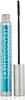 Key Ingredients
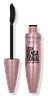
No key ingredients
Benefits
No benefits
Concerns
Ingredients Side-by-side
Petroleum Distillates
SolventC8-9 Isoparaffin
Solvent
Disteardimonium Hectorite
StabilisingBeeswax
Emulsion Stabilising



Copernicia Cerifera Cera
Emollient
Synthetic Beeswax
Emulsion Stabilising
Water
Skin ConditioningParaffin
Skin Conditioning
Allyl Stearate/Va Copolymer
Propylene Carbonate
SolventOryza Sativa
Oryza Sativa Starch
AbsorbentPolyvinyl Laurate
Sodium Polymethacrylate
Emulsion StabilisingPolyquaternium-10
Methylparaben
Preservative


Phenoxyethanol
Preservative
Butylparaben
Masking
Isobutylparaben
Antimicrobial
Ethylparaben
Preservative
Propylparaben
Preservative
CI 77492
Cosmetic ColorantCI 77499
Cosmetic ColorantCI 77491
Cosmetic ColorantCI 77007
Cosmetic ColorantCI 77891
Cosmetic ColorantMica
Cosmetic ColorantCI 77742
Cosmetic ColorantCI 75470
Cosmetic ColorantCI 77288
Cosmetic ColorantCI 77289
Cosmetic ColorantCI 77510
Cosmetic ColorantPetroleum Distillates, C8-9 Isoparaffin, Disteardimonium Hectorite, Beeswax, Copernicia Cerifera Cera, Synthetic Beeswax, Water, Paraffin, Allyl Stearate/Va Copolymer, Propylene Carbonate, Oryza Sativa, Oryza Sativa Starch, Polyvinyl Laurate, Sodium Polymethacrylate, Polyquaternium-10, Methylparaben, Phenoxyethanol, Butylparaben, Isobutylparaben, Ethylparaben, Propylparaben, CI 77492, CI 77499, CI 77491, CI 77007, CI 77891, Mica, CI 77742, CI 75470, CI 77288, CI 77289, CI 77510
Water
Skin ConditioningPropylene Glycol
Humectant
Styrene/Acrylates/Ammonium Methacrylate Copolymer
Polyurethane-35
Cera Alba
Emollient
Synthetic Fluorphlogopite
Glyceryl Stearate
Emollient
Cetyl Alcohol
Emollient

PEG-200 Glyceryl Stearate
Surfactant
Ethylenediamine/Stearyl Dimer Dilinoleate Copolymer
Skin Conditioning
Copernicia Cerifera Cera
Emollient
Stearic Acid
Cleansing
Palmitic Acid
Emollient
Ethylene/Va Copolymer
Emulsion StabilisingAlcohol Denat.
Antimicrobial

Paraffin
Skin Conditioning
Aminomethyl Propanediol
BufferingGlycerin
Humectant

Hydroxyethylcellulose
Emulsion StabilisingPhenoxyethanol
Preservative
Caprylyl Glycol
Emollient
Butylene Glycol
Humectant
Xanthan Gum
EmulsifyingSodium Laureth Sulfate
Cleansing
Disodium EDTA
ChelatingTetrasodium EDTA
ChelatingPentaerythrityl Tetra-Di-T-Butyl Hydroxyhydrocinnamate
Antioxidant
Silica
Abrasive


CI 77491
Cosmetic ColorantCI 77492
Cosmetic ColorantCI 77499
Cosmetic ColorantCI 77007
Cosmetic ColorantCI 77891
Cosmetic ColorantMica
Cosmetic ColorantCI 75470
Cosmetic ColorantCI 77288
Cosmetic ColorantCI 77742
Cosmetic ColorantCI 77510
Cosmetic ColorantWater, Propylene Glycol, Styrene/Acrylates/Ammonium Methacrylate Copolymer, Polyurethane-35, Cera Alba, Synthetic Fluorphlogopite, Glyceryl Stearate, Cetyl Alcohol, PEG-200 Glyceryl Stearate, Ethylenediamine/Stearyl Dimer Dilinoleate Copolymer, Copernicia Cerifera Cera, Stearic Acid, Palmitic Acid, Ethylene/Va Copolymer, Alcohol Denat., Paraffin, Aminomethyl Propanediol, Glycerin, Hydroxyethylcellulose, Phenoxyethanol, Caprylyl Glycol, Butylene Glycol, Xanthan Gum, Sodium Laureth Sulfate, Disodium EDTA, Tetrasodium EDTA, Pentaerythrityl Tetra-Di-T-Butyl Hydroxyhydrocinnamate, Silica, CI 77491, CI 77492, CI 77499, CI 77007, CI 77891, Mica, CI 75470, CI 77288, CI 77742, CI 77510
Reviews
Ingredients Explained
These ingredients are found in both products.
Ingredients higher up in an ingredient list are typically present in a larger amount.
Ci 75470 is a bright-red pigment. It is AKA carmine.
Carmine is derived from insects such as the cochineal beetle. This ingredient has been used as a natural dye for over 2000 years.
This pigment is called Ultramarine blue lazurite. It gives a saturated blue color, but can be used to create other colors as well.
According to the manufacturer, it is usually made from kaolin, sodium sulfate, sodium carbonate, sulfur, and charcoal.
Ci 77288 is used to add green pigment to products.
Ci 77491 is also hydrated iron III oxide. It's sole purpose is to give a red/pink hue to products.
Iron III oxides are classified as inorganic chemicals for coloring.
Synthetically created Ci 77491 is considered safer than those naturally found. This is because the synthetically created version may contain less impurities. Iron oxides are generally non-toxic and non-allergenic.
Learn more about CI 77491CI 77492 is also hydrated iron III oxide. It's sole purpose is to give a yellow hue to products.
Iron III oxides are classified as inorganic chemicals for coloring.
Synthetically created CI 77492 is considered safer than those naturally found. This is because the synthetically created version may contain less impurities. Iron oxides are generally non-toxic and non-allergenic.
Learn more about CI 77492Ci 77499 is also hydrated iron III oxide. It is created from mixing red and black iron oxides. This helps give shades of darkness to a product.
Iron III oxides are classified as inorganic chemicals for coloring.
This ingredient is used to impart a blue color. It is not water-soluble.
It goes by two different names:
1. Ferric Ferrocyanide: a synthetic dark blue pigment
2. Ferric Ammonium Ferrocyanide: a synthetic blue pigment, also called Prussian blue
In the EU, both of these colors must be labeled as 'CI 77510'.
Learn more about CI 77510This ingredient is used to add a violet color to cosmetics.
It is created by reacting phosphoric acid, ammonium dihydrogen orthophosphate, and manganese dioxide.
Ci 77891 is a white pigment from Titanium dioxide. It is naturally found in minerals such as rutile and ilmenite.
It's main function is to add a white color to cosmetics. It can also be mixed with other colors to create different shades.
Ci 77891 is commonly found in sunscreens due to its ability to block UV rays.
Learn more about CI 77891This ingredient comes from a palm tree native to Brazil. This ingredient is used to thicken texture and leaves behind a film when applied.
Mica is a naturally occurring mineral used to add shimmer and color in cosmetics. It can also help improve the texture of a product or give it an opaque, white/silver color.
Serecite is the name for very fine but ragged grains of mica.
This ingredient is often coated with metal oxides like titanium dioxide. Trace amounts of heavy metals may be found in mica, but these metals are not harmful in our personal products.
Mica has been used since prehistoric times throughout the world. Ancient Egyptian, Indian, Greek, Roman, Aztec, and Chinese civilizations have used mica.
Learn more about MicaParaffin is a solid wax that pulls its weight as an emollient, occlusive, and consistency-booster.
It softens skin and lays down a protective film to slow water loss and gives products a stable body and structure.
The cosmetic grade stuff is highly refined with a solid safety record. The CIR Expert Panel has repeatedly reaffirmed this ingredient to be safe in current practices of use and concentration.
The worry about carcinogenic compounds only applies to industrial grades, not the purified version used in skincare.
Despite its reputation, the highly reformed form is non-comedogenic and doesn't penetrate deeply into skin.
The good news for fungal-acne prone folks: the Malassezia yeast feeds on fatty acids and lipids and paraffin doesn't contain any of these (so there's nothing for the yeast to metabolize). This ingredient is considered fungal acne safe.
Learn more about ParaffinPhenoxyethanol is one of the most widely used preservatives in skincare (and for good reason!).
It has a large spectrum of antimicrobial activity and especially effective bacteria, yeast, and mold while only having a weak effect on your skin's natural microbiome.
On a cellular level, it disrupts the cell membranes of microbes by poking holes that make the cell leak. This shuts down the chemical reactions the microbe needs to make energy so it can no longer survive.
Another perk of this ingredient is that it stays functional across a wide pH range (3-10).
You'll often see it paired with boosters like Ethylhexylglycerin; one study showed that a 1:9 ratio of Ethylhexylglycerin to Phenoxyethanol damages bacterial membranes as effectively as doubling the Phenoxyethanol concentration on its own.
Typical use concentrations range from 0.3-1% depending on the formula, and this ingredient is capped at 1% int the EU.
Safety-wise, the fear mongering does not hold up to the evidence. The EU's Scientific Committee on Consumer Safety and FDA consider it safe as a preservative at up to 1%, including for children of all ages.
Adverse systemic effects only showed up in animal studies at exposures roughly 200x higher than what people get from cosmetics. And despite its very widespread use, this ingredient is a rare sensitizer and allergic reactions are uncommon.
Learn more about PhenoxyethanolWater. It's the most common cosmetic ingredient of all. You'll usually see it at the top of ingredient lists, meaning that it makes up the largest part of the product.
So why is it so popular? Water most often acts as a solvent - this means that it helps dissolve other ingredients into the formulation.
You'll also recognize water as that liquid we all need to stay alive. If you see this, drink a glass of water. Remember to stay hydrated!
Learn more about Water

