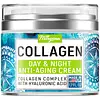
This anti-aging moisturizer is formulated around Retinol and Hyaluronic Acid to soften the look of wrinkles and hydrate skin.
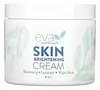
This brightening moisturizer is formulated around Kojic Acid and Thioctic Acid to brighten dull-looking skin and fade the look of dark spots.

What's inside
What's inside
 Key Ingredients
Benefits
Concerns
Ingredients Side-by-side
Water
Skin ConditioningCaprylic/Capric Triglyceride
Masking


Cocos Nucifera Oil
Masking






Simmondsia Chinensis Seed Oil
Emollient
Aloe Barbadensis Sprout
HumectantStearyl Alcohol
Emollient
Stearic Acid
Cleansing
Isopropyl Myristate
Emollient
Retinol
Skin Conditioning







Hydrolyzed Collagen
Emollient
Hyaluronic Acid
Humectant
Acrylates/Steareth-20 Methacrylate Copolymer
Phenoxyethanol
Preservative
Caprylyl Glycol
Emollient
Potassium Sorbate
Preservative
Imidazolidinyl Urea
Preservative
EDTA
ChelatingCarbomer
Emulsion StabilisingPersea Gratissima Oil
Skin Conditioning
Chamomilla Recutita Flower Extract
Masking

Tocopheryl Acetate
Antioxidant

Water, Caprylic/Capric Triglyceride, Cocos Nucifera Oil, Simmondsia Chinensis Seed Oil, Aloe Barbadensis Sprout, Stearyl Alcohol, Stearic Acid, Isopropyl Myristate, Retinol, Hydrolyzed Collagen, Hyaluronic Acid, Acrylates/Steareth-20 Methacrylate Copolymer, Phenoxyethanol, Caprylyl Glycol, Potassium Sorbate, Imidazolidinyl Urea, EDTA, Carbomer, Persea Gratissima Oil, Chamomilla Recutita Flower Extract, Tocopheryl Acetate
Water
Skin ConditioningCetearyl Alcohol
Emollient
Sorbitan Fatty Acid Ester
EmulsifyingCocos Nucifera Oil
Masking
Stearic Acid
Cleansing
Isopropyl Myristate
Emollient
Glycyrrhiza Glabra Root
Skin ConditioningDMDM Hydantoin
Preservative
Potassium Sorbate
Preservative
Kojic Acid
Antioxidant
Tetrasodium EDTA
ChelatingPantothenic Acid
Skin ConditioningPyridoxine
Skin ConditioningUbiquinone
Antioxidant
Thioctic Acid
Antioxidant
Thiamine Hcl
MaskingRiboflavin
Cosmetic ColorantCalcium Ascorbate
Antioxidant
Tocopherol
Antioxidant
Cyanocobalamin
Skin ConditioningWater, Cetearyl Alcohol, Sorbitan Fatty Acid Ester, Cocos Nucifera Oil, Stearic Acid, Isopropyl Myristate, Glycyrrhiza Glabra Root, DMDM Hydantoin, Potassium Sorbate, Kojic Acid, Tetrasodium EDTA, Pantothenic Acid, Pyridoxine, Ubiquinone, Thioctic Acid, Thiamine Hcl, Riboflavin, Calcium Ascorbate, Tocopherol, Cyanocobalamin
Ingredients Explained
These ingredients are found in both products.
Ingredients higher up in an ingredient list are typically present in a larger amount.
This ingredient is also known as coconut oil. It is a plant-derived ingredient with skin conditioning properties.
The fatty acid profile of coconut oil is mostly lauric acid (~54%), followed by capric, caprylic, palmitic, and myristic acids. This profile allows it to penetrate easily into skin, moisturize, and improve dry skin.
A double-blind study confirmed that extra virgin coconut oil is as effective as mineral oil for treating very dry skin. Another study found it outperformed mineral oil for mild to moderate atopic dermatitis in children.
Another study from 2018 found that virgin coconut oil can soothe inflammation and boost key skin barrier proteins. Just know this evidence is still only from lab settings and not human trials.
It has also been shown to reduce Staphylococcus aureus, a bacteria that commonly overgrows in people with eczema.
Clinical testing shows very minimal skin irritation and no evidence of sensitization or phototoxicity.
Coconut oil gets flagged as a "fragrance" because it has a natural mild scent (not because it's a synthetic perfume). The European Cosmetic ingredient database also lists "perfuming" as a function of this ingredient.
Just so you know, the term "fragrance" is completely unregulated. Some brands still use botanical extracts or essential oils in their "fragrance-free" formulas, but regulatory databases technically classify these under "fragrance".
Coconut oil has a tiny and useless bit of natural SPF. Early lab studies clocked it around SPF 7-8 but a more recent study found the real number closer to SPF 1.2. It also offers no meaningful UVA protection (SPF only overs UVB rays).
The comedogenic rating of 4/5 means it has a high potential to clog pores; but it's worth noting that comedogenicity is highly individual and ratings cannot predict how an overall formula will behave on skin.
Since lauric acid is the dominant fatty acid, this ingredient may not be fungal acne safe. The Malassezia yeast feeds on fatty acids with carbon chain lengths between 11-24, and lauric acid falls within these lengths (C12).
Learn more about Cocos Nucifera OilIsopropyl Myristate is an ester made by combining isopropyl alcohol with myristic acid.
It is primarily an emollient and penetration enhancer that gives products a lightweight, silky feel without the heaviness of oils.
This ingredient is generally considered non-toxic, non-irritating, and has low absorption potential.
This ingredient does have a comedogenic rating of 3-5, but this doesn't mean a formula with this ingredient will clog pores.
Dermatologist Dr. Zoe Draelos has also confirmed in a peer-reviewed paper that products containing comedogenic ingredients are not necessarily comedogenic themselves.
A small subset of people (~2%) may experience contact sensitivity so patch testing is a reasonable idea if you have reactive skin.
Since this ingredient is an ester of myristic acid (a C14 fatty acid), it falls within the carbon chain range that is known to feed Malassezia. This ingredient may not be fungal acne safe.
Learn more about Isopropyl MyristatePotassium Sorbate is a preservative used to prevent yeast and mold in products. It is commonly found in both cosmetic and food products.
This ingredient comes from potassium salt derived from sorbic acid. Sorbic acid is a natural antibiotic and effective against fungus.
Both potassium sorbate and sorbic acid can be found in baked goods, cheeses, dried meats, dried fruit, ice cream, pickles, wine, yogurt, and more.
You'll often find this ingredient used with other preservatives.
Learn more about Potassium SorbateStearic Acid is a fatty acid that is already found in your skin. It's one of the free fatty acids that works alongside ceramides and cholesterols to maintain your barrier.
In cosmetics, it is a multitasker:
Safety-wise, the CIR Expert Panel has concluded it to be safe in cosmetics when formulated to be non-irritating and non-sensitizing.
Free stearic acid is a C18 fatty acid that the Malassezia yeast can substrate, so this ingredient may not be fungal acne safe.
This ingredient does have a comedogenic rating of 2-3, but this doesn't mean a formula with this ingredient will clog pores.
Human testing has proved that any finished product with this ingredient won't automatically make you break out; it really comes down to concentration, formula, and your skin.
Learn more about Stearic AcidWater. It's the most common cosmetic ingredient of all. You'll usually see it at the top of ingredient lists, meaning that it makes up the largest part of the product.
So why is it so popular? Water most often acts as a solvent - this means that it helps dissolve other ingredients into the formulation.
You'll also recognize water as that liquid we all need to stay alive. If you see this, drink a glass of water. Remember to stay hydrated!
Learn more about Water

