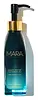
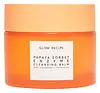
MARA Beauty Chia + Moringa® Algae Enzyme Cleansing Oil Versus Glow Recipe Papaya Sorbet Smoothing Enzyme Cleansing Balm
This oil-based makeup remover is made to dissolve makeup, sunscreen, and daily buildup.
This oil-based makeup remover is made to dissolve makeup, sunscreen, and daily buildup.

What's inside
What's inside
 Key Ingredients
Benefits
Concerns
Ingredients Side-by-side
Simmondsia Chinensis Seed Oil
Emollient





Caprylic/Capric Triglyceride
Masking
Helianthus Annuus Seed Oil
Emollient
Moringa Oleifera Seed Oil
Emollient


Squalane
Emollient
Polyglyceryl-3 Laurate
EmulsifyingPolyglyceryl-2 Caprate
EmulsifyingSilica
Abrasive


Aloe Barbadensis Extract
Skin Conditioning
Carica Papaya Fruit Extract
Skin ConditioningChamomilla Recutita Flower Extract
Masking
Chondrus Crispus Extract
Skin Conditioning
Citrus Grandis Fruit Extract
Astringent
Lactobacillus/Pumpkin Ferment Extract
Skin ConditioningLaminaria Digitata Extract
Skin Protecting
Spirulina Maxima Extract
SmoothingCitrus Aurantium Bergamia Fruit Oil
Masking

Salvia Hispanica Seed Oil
Emollient
Bromelain
Skin Conditioning
Tocopheryl Acetate
Antioxidant


Maltodextrin
Absorbent
Leuconostoc/Radish Root Ferment Filtrate
Antimicrobial
Limonene
Perfuming
Simmondsia Chinensis Seed Oil, Caprylic/Capric Triglyceride, Helianthus Annuus Seed Oil, Moringa Oleifera Seed Oil, Squalane, Polyglyceryl-3 Laurate, Polyglyceryl-2 Caprate, Silica, Aloe Barbadensis Extract, Carica Papaya Fruit Extract, Chamomilla Recutita Flower Extract, Chondrus Crispus Extract, Citrus Grandis Fruit Extract, Lactobacillus/Pumpkin Ferment Extract, Laminaria Digitata Extract, Spirulina Maxima Extract, Citrus Aurantium Bergamia Fruit Oil, Salvia Hispanica Seed Oil, Bromelain, Tocopheryl Acetate, Maltodextrin, Leuconostoc/Radish Root Ferment Filtrate, Limonene
Cetyl Ethylhexanoate
EmollientSorbitan Oleate
Emulsifying
Prunus Armeniaca Kernel Oil
Masking
Polyethylene
Abrasive
Water
Skin ConditioningCamellia Japonica Seed Oil
Emollient
Carica Papaya Seed Oil
Humectant
Carica Papaya Fruit Extract
Skin ConditioningPapain
Skin Conditioning
Vaccinium Angustifolium Fruit Extract
Skin Protecting
Fragaria Ananassa Fruit Extract
Skin Conditioning
Alkanna Tinctoria Root Extract
Skin ConditioningCapsicum Annuum Fruit Extract
Antimicrobial
Maltodextrin
Absorbent
Caprylic/Capric Triglyceride
Masking
Levulinic Acid
Perfuming
Pentylene Glycol
Skin Conditioning
Sodium Metabisulfite
Antioxidant
Cetyl Ethylhexanoate, Sorbitan Oleate, Prunus Armeniaca Kernel Oil, Polyethylene, Water, Camellia Japonica Seed Oil, Carica Papaya Seed Oil, Carica Papaya Fruit Extract, Papain, Vaccinium Angustifolium Fruit Extract, Fragaria Ananassa Fruit Extract, Alkanna Tinctoria Root Extract, Capsicum Annuum Fruit Extract, Maltodextrin, Caprylic/Capric Triglyceride, Levulinic Acid, Pentylene Glycol, Sodium Metabisulfite
Reviews
Ingredients Explained
These ingredients are found in both products.
Ingredients higher up in an ingredient list are typically present in a larger amount.
Caprylic/Capric Triglyceride (aka MCT Oil) is a lightweight emollient, solvent, and texture enhancer. It is considered a skin-softener by helping to prevent moisture loss.
Though it behaves like an oil, it is not technically one due to its chemical composition. One perk of this ingredient is that it is very stable, resistant to oxidation, and unlikely to go rancid.
In practice, that translates to a long shelf life and a consistently elegant skin feel.
While there is an assumption Caprylic Triglyceride can clog pores due to it being derived from coconut oil, there is no research supporting this. Just patch test if you have concerns.
Fractionated coconut oil and MCT Oil are both listed as Caprylic/Capric Triglyceride according to INCI. This is because INCI names are based on the ingredient’s final chemical composition and not its marketing name or source.
This ingredient is treated as the gold standard fungal acne safe oil. Even though it is coconut derived, the problematic lauric acid is stripped out.
This leaves just caprylic (C8) and capric (C10) acid. These chain lengths actually trend antifungal; a 2020 study found caprylic acid was enough to disrupt Malassezia furfur cell membrane, with a caprylic acid derivative damaging membrane structures at concentrations as low as 0.2%.
Learn more about Caprylic/Capric TriglycerideCarica Papaya Fruit Extract comes from the flesh of the papaya. It's a skin conditioning agent that carries a mix of bioactives like papain, beta-carotene, and vitamin C.
These bioactive compounds give it two main talking points:
1. Papain is a proteolytic enzyme that provides mild exfoliation, helping skin look smoother and more even.
2. The carotenoids and vitamin C provide some antioxidant activity.
It's pretty compatible with most ingredients, but just sure to space out enzyme products with strong acids/retinoids to avoid over-doing it.
Maximum reported concentration is around 0.1% and most leave-on products use just 0.05%. If you see higher figures like 5-10%, this is usually the pre-diluted material from raw extract suppliers.
This ingredient has an assuring safety record and there's a lack of clinical case reports of dermatitis from using it.
The only caveat is allergy: patch test if you have a papaya or latex-fruit allergy.
Learn more about Carica Papaya Fruit ExtractMaltodextrin is a plant-derived carbohydrate made by breaking down starch (usually from corn, potato, or rice). In cosmetic formulas, it's a multitasking absorbent, emulsion stabilizer, and skin conditioner.
This ingredient is mostly used to stabilize emulsions and improve the powdery, non-greasy feel of products (like dry shampoos).
Safety-wise, this ingredient is pretty solid; it's even recognized as a food additive. Both animal and clinical studies found no adverse effects at the levels used in cosmetics.
Industry data shows this ingredient is used up to 45.7% in spray products and up to 33% in powder products.
Learn more about Maltodextrin

