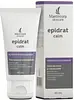
This calming moisturizer is formulated around Bisabolol and 4-T-Butylcyclohexanol to calm redness and strengthen the skin barrier.
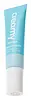
This hydrating serum is formulated around Trehalose and Saccharide Isomerate to hydrate skin and strengthen the skin barrier.
What's inside
What's inside
 Key Ingredients
Benefits
Concerns
Ingredients Side-by-side
Ethylene Brassylate
MaskingCyclopentasiloxane
Emollient
Tocopheryl Acetate
Antioxidant


BHT
Antioxidant
Polymethylsilsesquioxane
Disodium EDTA
Glycerin
Humectant


Caprylyl Glycol
Emollient
Caprylhydroxamic Acid
Propylheptyl Caprylate
EmollientSorbitan Olivate
Emulsifying

Cetearyl Olivate
Hydroxymethoxyphenyl Decanone
Skin ConditioningBisabolol
Antioxidant

4-T-Butylcyclohexanol
Masking

Pentylene Glycol
Skin Conditioning
Ethylhexyl Olivate
Skin Conditioning
Lecithin
Emollient
Sodium Acrylates Copolymer
Water
Skin ConditioningEthylene Brassylate, Cyclopentasiloxane, Tocopheryl Acetate, BHT, Polymethylsilsesquioxane, Disodium EDTA, Glycerin, Caprylyl Glycol, Caprylhydroxamic Acid, Propylheptyl Caprylate, Sorbitan Olivate, Cetearyl Olivate, Hydroxymethoxyphenyl Decanone, Bisabolol, 4-T-Butylcyclohexanol, Pentylene Glycol, Ethylhexyl Olivate, Lecithin, Sodium Acrylates Copolymer, Water
Water
Skin ConditioningPropanediol
Solvent
Hydroxyethyl Acrylate/Sodium Acryloyldimethyl Taurate Copolymer
Emulsion StabilisingTrehalose
Humectant
Saccharide Isomerate
Humectant
Phenoxyethanol
Preservative
Sodium Hyaluronate
Humectant
Caprylyl Glycol
Emollient
Hydrolyzed Hyaluronic Acid
Humectant
Polyglutamic Acid
Skin Conditioning
Sodium Gluconate
Skin ConditioningPolysorbate 60
Emulsifying
Sorbitan Isostearate
Emulsifying
Citric Acid
Buffering
Sodium Citrate
BufferingWater, Propanediol, Hydroxyethyl Acrylate/Sodium Acryloyldimethyl Taurate Copolymer, Trehalose, Saccharide Isomerate, Phenoxyethanol, Sodium Hyaluronate, Caprylyl Glycol, Hydrolyzed Hyaluronic Acid, Polyglutamic Acid, Sodium Gluconate, Polysorbate 60, Sorbitan Isostearate, Citric Acid, Sodium Citrate
Reviews
Ingredients Explained
These ingredients are found in both products.
Ingredients higher up in an ingredient list are typically present in a larger amount.
Caprylyl Glycol is a humectant, skin conditioner, emollient, and preservative booster derived from either caprylic acid or synthetically created.
Typical use levels vary from 0.3-1% as a preservative booster and go up to 2% to condition skin.
Because it is not a free-fatty acid, this ingredient is fungal acne safe (there's nothing for Malassezia to feed on).
Learn more about Caprylyl GlycolWater. It's the most common cosmetic ingredient of all. You'll usually see it at the top of ingredient lists, meaning that it makes up the largest part of the product.
So why is it so popular? Water most often acts as a solvent - this means that it helps dissolve other ingredients into the formulation.
You'll also recognize water as that liquid we all need to stay alive. If you see this, drink a glass of water. Remember to stay hydrated!
Learn more about Water

