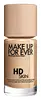
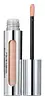
Make Up For Ever HD Skin Undetectable Longwear Foundation Versus Il Makiage F*ck I'm Flawless Multi-Use Perfecting Concealer


What's inside
What's inside
 Key Ingredients
Benefits
Concerns
Ingredients Side-by-side
Water
Skin ConditioningMethyl Trimethicone
Skin Conditioning
Alcohol
Antimicrobial




Isododecane
EmollientButylene Glycol
Humectant

Synthetic Fluorphlogopite
Cetyl PEG/PPG-10/1 Dimethicone
Emulsifying
Phenyl Trimethicone
Skin Conditioning
Acrylates/Dimethicone Copolymer
Skin Conditioning
Glycerin
Humectant
Silica
Abrasive


Dimethicone
Emollient
Disteardimonium Hectorite
StabilisingSorbitan Sesquioleate
Emulsifying
Dimethicone Crosspolymer
Emulsion Stabilising
Sodium Myristoyl Glutamate
CleansingSodium Benzoate
Masking
Sodium Chloride
MaskingVp/Va Copolymer
Propylene Carbonate
SolventParfum
Masking

Sodium Citrate
BufferingHexadecene
SolventAluminum Hydroxide
EmollientHydrogen Dimethicone
Glyceryl Undecyl Dimethicone
Tocopherol
Antioxidant





Citric Acid
Buffering
Phenethyl Alcohol
MaskingSaccharide Isomerate
Humectant
Pentaerythrityl Tetra-Di-T-Butyl Hydroxyhydrocinnamate
Antioxidant
CI 77891
Cosmetic ColorantCI 77491
Cosmetic ColorantCI 77492
Cosmetic ColorantCI 77499
Cosmetic ColorantWater, Methyl Trimethicone, Alcohol, Isododecane, Butylene Glycol, Synthetic Fluorphlogopite, Cetyl PEG/PPG-10/1 Dimethicone, Phenyl Trimethicone, Acrylates/Dimethicone Copolymer, Glycerin, Silica, Dimethicone, Disteardimonium Hectorite, Sorbitan Sesquioleate, Dimethicone Crosspolymer, Sodium Myristoyl Glutamate, Sodium Benzoate, Sodium Chloride, Vp/Va Copolymer, Propylene Carbonate, Parfum, Sodium Citrate, Hexadecene, Aluminum Hydroxide, Hydrogen Dimethicone, Glyceryl Undecyl Dimethicone, Tocopherol, Citric Acid, Phenethyl Alcohol, Saccharide Isomerate, Pentaerythrityl Tetra-Di-T-Butyl Hydroxyhydrocinnamate, CI 77891, CI 77491, CI 77492, CI 77499
Water
Skin ConditioningCyclopentasiloxane
Emollient
Talc
Abrasive
Cetyl PEG/PPG-10/1 Dimethicone
Emulsifying
Propylene Glycol
Humectant
Acrylates/Dimethicone Copolymer
Skin Conditioning
Benzyl Alcohol
Perfuming
Sodium Chloride
MaskingHydrogen Dimethicone
Magnesium Sulfate
Sodium Dehydroacetate
Preservative
Aluminum Hydroxide
EmollientDimethicone/Vinyl Dimethicone Crosspolymer
Skin Conditioning
Disteardimonium Hectorite
StabilisingPotassium Sorbate
Preservative
Dehydroacetic Acid
Preservative
Propylene Carbonate
SolventBHT
Antioxidant
Tetrasodium EDTA
ChelatingCI 77891
Cosmetic ColorantCI 77492
Cosmetic ColorantCI 77491
Cosmetic ColorantCI 77499
Cosmetic ColorantWater, Cyclopentasiloxane, Talc, Cetyl PEG/PPG-10/1 Dimethicone, Propylene Glycol, Acrylates/Dimethicone Copolymer, Benzyl Alcohol, Sodium Chloride, Hydrogen Dimethicone, Magnesium Sulfate, Sodium Dehydroacetate, Aluminum Hydroxide, Dimethicone/Vinyl Dimethicone Crosspolymer, Disteardimonium Hectorite, Potassium Sorbate, Dehydroacetic Acid, Propylene Carbonate, BHT, Tetrasodium EDTA, CI 77891, CI 77492, CI 77491, CI 77499
Reviews
Ingredients Explained
These ingredients are found in both products.
Ingredients higher up in an ingredient list are typically present in a larger amount.
This polymer has film-forming properties and helps leave behind a soft film on the skin with oxygen permeability.
That's why you'll most likely find this in sunscreen formulations.
Aluminum Hydroxide is a form of aluminum. It can be naturally found in nature as the mineral gibbsite. In cosmetics, Aluminum Hydroxide is used as a colorant, pH adjuster, and absorbent.
As a colorant, Aluminum Hydroxide may add opacity, or reduce the transparency. Aluminum hydroxide is contains both basic and acidic properties.
According to manufacturers, this ingredient is an emollient and humectant. This means it helps hydrate the skin.
In medicine, this ingredient is used to help relieve heartburn and help heal ulcers.
There is currently no credible scientific evidence linking aluminum hydroxide in cosmetics to increased cancer risk.
Major health organizations allow the use of aluminum hydroxide in personal care products and have not flagged it as a carcinogenic risk at typical usage levels.
Learn more about Aluminum HydroxideThis ingredient is a silicone-based emulsifer that helps the water and oil phases play nicely together.
It's pretty effective because one end of the molecule loves oil and the other one loves water.
Besides holding formulas together, it also leaves a silky and lightweight feel on skin without the greasiness. A manufacturer also claims it can help with the controlled release of active ingredients.
The CIR Expert Panel found this ingredient to not be sensitizing in concentrations up to 15% in human maximazation testing and dimethicone-based compounds were not comedogenic.
It has a high molecular weight well above 1,000 g/mol which means it limits meaningful skin penetration.
A 2019 study specifically tested this ingredient and found no observable Malassezia growth in its presence.
Learn more about Cetyl PEG/PPG-10/1 DimethiconeCi 77491 is also hydrated iron III oxide. It's sole purpose is to give a red/pink hue to products.
Iron III oxides are classified as inorganic chemicals for coloring.
Synthetically created Ci 77491 is considered safer than those naturally found. This is because the synthetically created version may contain less impurities. Iron oxides are generally non-toxic and non-allergenic.
Learn more about CI 77491CI 77492 is also hydrated iron III oxide. It's sole purpose is to give a yellow hue to products.
Iron III oxides are classified as inorganic chemicals for coloring.
Synthetically created CI 77492 is considered safer than those naturally found. This is because the synthetically created version may contain less impurities. Iron oxides are generally non-toxic and non-allergenic.
Learn more about CI 77492Ci 77499 is also hydrated iron III oxide. It is created from mixing red and black iron oxides. This helps give shades of darkness to a product.
Iron III oxides are classified as inorganic chemicals for coloring.
Ci 77891 is a white pigment from Titanium dioxide. It is naturally found in minerals such as rutile and ilmenite.
It's main function is to add a white color to cosmetics. It can also be mixed with other colors to create different shades.
Ci 77891 is commonly found in sunscreens due to its ability to block UV rays.
Learn more about CI 77891Disteardimonium Hectorite comes from the clay mineral named hectorite. It is used to add thickness to a product.
It can also help stabilize a product by helping to disperse other ingredients.
Hectorite is a rare, white clay mineral.
Learn more about Disteardimonium HectoriteHydrogen dimethicone is a silicone-based ingredient. It is mainly used to alter the texture and spread of a product without adding "stickiness".
This ingredient is a solvent. It helps dissolve active ingredients and alter the texture of products.
Propylene Carbonate is commonly used in makeup and with clay, such as montmorillonite or bentonite.
Studies show this ingredient to be safe for cosmetics. When it is undiluted, it can cause skin irritation. (It is always diluted in skincare and makeup). This ingredient is water-soluble.
Propylene Carbonate is created from propylene glycol and carbonic acid.
Learn more about Propylene CarbonateChances are, you eat sodium chloride every day. Sodium Chloride is also known as table salt. This ingredient has many purposes in skincare: thickener, emulsifier, and exfoliator.
You'll most likely find this ingredient in cleansers where it is used to create a gel-like texture. As an emulsifier, it also prevents ingredients from separating.
You might see people debate whether Sodium Chloride is comedogenic, but there actually haven't been any comedogenic tests done on it. Either way, the overall formulation of a product matters a lot more than any single ingredient.
You might see this ingredient used in scrubs as a primary exfoliating ingredient.
Learn more about Sodium ChlorideWater. It's the most common cosmetic ingredient of all. You'll usually see it at the top of ingredient lists, meaning that it makes up the largest part of the product.
So why is it so popular? Water most often acts as a solvent - this means that it helps dissolve other ingredients into the formulation.
You'll also recognize water as that liquid we all need to stay alive. If you see this, drink a glass of water. Remember to stay hydrated!
Learn more about Water

