
What's inside
What's inside
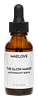 Key Ingredients
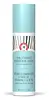
Benefits
Concerns
No concerns
Ingredients Side-by-side
Water
Skin ConditioningAscorbic Acid
Antioxidant






Ethoxydiglycol
HumectantAloe Barbadensis Leaf Juice
Skin Conditioning


Vitis Vinifera
MaskingGlycerin
Humectant
Sodium Hyaluronate
Humectant
Magnolia Officinalis Bark Extract
Antimicrobial
Tocopherol
Antioxidant
Xanthan Gum
EmulsifyingFerulic Acid
Antimicrobial
Lecithin
Emollient
Disodium EDTA
Sodium Metabisulfite
Antioxidant
Citrus Aurantium Dulcis Callus Culture Extract
Skin ConditioningEthylhexylglycerin
Skin ConditioningMaltodextrin
Absorbent
Triethanolamine
BufferingPhenoxyethanol
Preservative
Water, Ascorbic Acid, Ethoxydiglycol, Aloe Barbadensis Leaf Juice, Vitis Vinifera, Glycerin, Sodium Hyaluronate, Magnolia Officinalis Bark Extract, Tocopherol, Xanthan Gum, Ferulic Acid, Lecithin, Disodium EDTA, Sodium Metabisulfite, Citrus Aurantium Dulcis Callus Culture Extract, Ethylhexylglycerin, Maltodextrin, Triethanolamine, Phenoxyethanol
Water
Skin Conditioning3-O-Ethyl Ascorbic Acid
Skin Conditioning
Squalane
Emollient
Sodium Citrate
BufferingTocopheryl Acetate
Antioxidant
Colloidal Oatmeal
Absorbent
Chrysanthemum Parthenium Extract
Skin ConditioningCamellia Sinensis Leaf Extract
Antimicrobial
Glycyrrhiza Glabra Root Extract
Bleaching
Glycerin
Humectant
Polyglyceryl-6 Polyricinoleate
Emulsifying
Xanthan Gum
EmulsifyingPolyglyceryl-10 Dioleate
Emulsifying
Phenoxyethanol
Preservative
Citric Acid
Buffering

Sodium Benzoate
Masking
Potassium Sorbate
Preservative
Sodium Hydroxide
BufferingTetrasodium EDTA
Water, 3-O-Ethyl Ascorbic Acid, Squalane, Sodium Citrate, Tocopheryl Acetate, Colloidal Oatmeal, Chrysanthemum Parthenium Extract, Camellia Sinensis Leaf Extract, Glycyrrhiza Glabra Root Extract, Glycerin, Polyglyceryl-6 Polyricinoleate, Xanthan Gum, Polyglyceryl-10 Dioleate, Phenoxyethanol, Citric Acid, Sodium Benzoate, Potassium Sorbate, Sodium Hydroxide, Tetrasodium EDTA
Reviews
Ingredients Explained
These ingredients are found in both products.
Ingredients higher up in an ingredient list are typically present in a larger amount.
Glycerin (or glycerol) is a compound naturally found in your skin. It's a powerhouse humectant that pulls water into the stratum corneum.
Topically, glycerin does several things at once:
Your skin makes glycerin on its own (mostly from sebaceous oil breakdown) and shuttles it to your outermost layer of skin, or your epidermis, via aquaporin-3.
Aquaporin-3 is a transporter that is essential for normal skin hydration, elasticity, and repair. Interestingly, mice lacking in AQP3 have dry and less elastic skin that can be fully corrected with glycerin.
This ingredient is non-irritating, plays well with almost every ingredient, and works across all skin types. Typical use is anywhere between 3-10% but can go up to 79% in some leave-on products.
Just know very high concentrations (>40%) can feel tacky in low humidity.
Glycerin is the name for this ingredient in American English. British English uses Glycerol/Glycerine.
Learn more about GlycerinPhenoxyethanol is a preservative that has germicide, antimicrobial, and aromatic properties. Studies show that phenoxyethanol can prevent microbial growth. By itself, it has a scent that is similar to that of a rose.
It's often used in formulations along with Caprylyl Glycol to preserve the shelf life of products.
Water. It's the most common cosmetic ingredient of all. You'll usually see it at the top of ingredient lists, meaning that it makes up the largest part of the product.
So why is it so popular? Water most often acts as a solvent - this means that it helps dissolve other ingredients into the formulation.
You'll also recognize water as that liquid we all need to stay alive. If you see this, drink a glass of water. Remember to stay hydrated!
Learn more about WaterXanthan gum is used as a stabilizer and thickener within cosmetic products. It helps give products a sticky, thick feeling - preventing them from being too runny.
On the technical side of things, xanthan gum is a polysaccharide - a combination consisting of multiple sugar molecules bonded together.
Xanthan gum is a pretty common and great ingredient. It is a natural, non-toxic, non-irritating ingredient that is also commonly used in food products.
Learn more about Xanthan Gum
