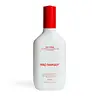
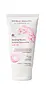
Mad Margot Day Crème SPF50 Mineral Moisturiser Versus Edible Beauty Basking Beauty Natural Sunscreen SPF 50
This barrier-repair day moisturizer is formulated around Helianthus Annuus Seed Oil and Hippophae Rhamnoides Oil to strengthen the skin barrier and hydrate skin.
This mineral sunscreen covers the full UV range and blocks ~98% of UVB at SPF 50.

What's inside
What's inside
 Key Ingredients
Benefits
Concerns
Ingredients Side-by-side
Helianthus Annuus Seed Oil
Emollient



Water
Skin ConditioningEuphorbia Cerifera Wax
Polyglyceryl-3 Polyricinoleate
Emulsifying
Potassium Cetyl Phosphate
EmulsifyingIsostearic Acid
Cleansing

Glycerin
Humectant

Polyhydroxystearic Acid
Emulsifying
Sodium Chloride
MaskingMaltodextrin
Absorbent
Xanthan Gum
EmulsifyingSimmondsia Chinensis Seed Oil
Emollient
Calendula Officinalis Extract
Skin Conditioning

Hippophae Rhamnoides Oil
Emollient
Sodium Hyaluronate 0.05%
Humectant

Bisabolol
Antioxidant
Terminalia Ferdinandiana Fruit Extract
Antioxidant
Sodium Ascorbate 0.5%
Antioxidant



Tocopheryl Acetate
Antioxidant
Coriandrum Sativum Oil
Masking
Thuja Plicata Leaf Extract
Perfuming
Citrus Paradisi Juice
Perfuming
CI 77491
Cosmetic ColorantCI 77492
Cosmetic ColorantCI 77499
Cosmetic ColorantHelianthus Annuus Seed Oil, Water, Euphorbia Cerifera Wax, Polyglyceryl-3 Polyricinoleate, Potassium Cetyl Phosphate, Isostearic Acid, Glycerin, Polyhydroxystearic Acid, Sodium Chloride, Maltodextrin, Xanthan Gum, Simmondsia Chinensis Seed Oil, Calendula Officinalis Extract, Hippophae Rhamnoides Oil, Sodium Hyaluronate 0.05%, Bisabolol, Terminalia Ferdinandiana Fruit Extract, Sodium Ascorbate 0.5%, Tocopheryl Acetate, Coriandrum Sativum Oil, Thuja Plicata Leaf Extract, Citrus Paradisi Juice, CI 77491, CI 77492, CI 77499
Zinc Oxide
Cosmetic Colorant


Caprylic/Capric Triglyceride
Masking
Ricinus Communis Seed Oil
Masking
Coco-Caprylate
Emollient
Cocos Nucifera Oil
Masking
Euphorbia Cerifera Cera
Astringent
Hydrogenated Castor Oil
Emollient
Polyglyceryl-3 Polyricinoleate
Emulsifying
Tocopheryl Acetate
Antioxidant
Isostearic Acid
Cleansing
Rosa Rubiginosa Seed Oil
Emollient
Lemongrass Oil

Camellia Oleifera Seed Oil
Skin Conditioning
Terminalia Ferdinandiana Fruit Extract
Antioxidant
Zinc Oxide, Caprylic/Capric Triglyceride, Ricinus Communis Seed Oil, Coco-Caprylate, Cocos Nucifera Oil, Euphorbia Cerifera Cera, Hydrogenated Castor Oil, Polyglyceryl-3 Polyricinoleate, Tocopheryl Acetate, Isostearic Acid, Rosa Rubiginosa Seed Oil, Lemongrass Oil, Camellia Oleifera Seed Oil, Terminalia Ferdinandiana Fruit Extract
Ingredients Explained
These ingredients are found in both products.
Ingredients higher up in an ingredient list are typically present in a larger amount.
Isostearic Acid is a fatty acid and a structural cousin of stearic acid. It is an emulsifier.
The branched structure of this ingredient enhances fluidity and gives it a lighter, less greasy feel compared to other fatty acids. It helps improve texture and consistency because it prevents oil and water phases from separating.
This ingredient is sourced from plant-based oils like soybean or rapeseed.
Clinical studies found no signs of irritation from this ingredient.
Since Isostearic Acid is an 18-carbon fatty acid, it is in the range that Malassezia can feed on. This ingredient may not be fungal acne safe.
You might have seen sources that this ingredient is comedogenic. The original comedogenic testing on rabbit ear actually tested the ester, Isopropyl Isostearate and not Isostearic acid itself.
Any finished product with this ingredient won't automatically make you break out; it really comes down to concentration, formula, and your skin.
Because isostearic acid is a C18 fatty acid, this ingredient may not be fungal acne safe. The Malassezia yeast metabolizes fatty acids in the C11-24 range.
Learn more about Isostearic AcidPolyglyceryl-3 Polyricinoleate is a plant-derived emulsifier made by combining glycerin and ricinoleic acid.
It works well for giving buttery lip balms and low-viscosity water-in-oil emulsions a non-greasy and pleasant skin feel.
Typical concentrations range from 0.1-3%.
This ingredient is mild and non-irritating in nature.
Because it is derived from ricinoleic acid, this ingredient may not be fungal acne safe. Ricinoleic acid is an unsaturated fatty acid that the Malassezia yeast can metabolize.
Learn more about Polyglyceryl-3 PolyricinoleateTerminalia Ferdinandiana Fruit Extract is from the Kakadu plum. The Kakadu plum is native to northern Australia. The Kakadu plum holds the record for having the highest amount of natural vitamin C.
This ingredient is an antioxidant. Antioxidants help fight free-radical molecules. Free-radical molecules are capable of damaging our cells and other genetic material. Antioxidants help stabilize free-radicals and thus may reduce the signs of aging.
The high vitamin C content of Kakadu plum also helps lighten skin. Vitamin C has been shown to block the process of skin darkening that leads to hyperpigmentation.
Kakadu plums have been used by indigenous cultures as medicine to help treat colds and as an antiseptic.
Learn more about Terminalia Ferdinandiana Fruit ExtractTocopheryl Acetate is a stable, shelf-friendly form of vitamin E.
Formulators love it because plain vitamin E oxidizes quickly once it hits air. This acetate version stays stable and resists going off, helping to extend a product's shelf life.
It's actually inactive on its own and works like a slow-release "storage" form; the enzymes in your skin called esterases gradually convert it into active vitamin E over time.
One in vivo study showed 5% of the acetate in the living layer of the epidermis converted to vitamin E after 5 days of application. This study also found the skin gained protection against UV damage even though the conversion was slow and small.
Once converted, vitamin E acts as a skin's main fat-soluble antioxidant that fights free radicals to protect skin from damage.
Topical vitamin E generally boosts the skin's photoprotection, and it reduced UV-damage in animal models.
This ingredient has some brightening potential but it's more of a prevention ingredient than spot-fader. Cell studies show it can slow down melanin production but it's worth noting that it's not the most powerful brightener out there.
Overall, it has a pretty solid safety profile and has been found to be non-irritating and non-comedogenic. Allergic reactions may happen but stay rare due to how widely the ingredient gets used.
The concentration will vary depending on the formula; industry data shows 0.1% in baby lotions, 3% in lipsticks, and 5% in foot powders. You can also find this ingredient at 100% in a pure vitamin E oil.
Most leave-on skincare keeps it at the lower end, often between 0.5-1%.
Learn more about Tocopheryl Acetate

