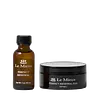
This smoothing treatment is formulated around Mandelic Acid and Glycyrrhiza Glabra Root Extract to refine skin texture and fade the look of dark spots.
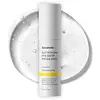
This smoothing treatment is formulated around Niacinamide and Glutathione to refine skin texture and brighten dull-looking skin.


What's inside
What's inside
 Key Ingredients
Benefits
Concerns
No concerns
Ingredients Side-by-side
Pyrus Malus Fruit Water
MaskingMandelic Acid
Antimicrobial










Hyaluronic Acid
Humectant


Glycyrrhiza Glabra Root Extract
Bleaching

Methyl Gluceth-20
Humectant
Beta-Glucan
Skin Conditioning
Allantoin
Skin Conditioning
Alpha-Arbutin
Antioxidant

Sodium Lactate
Buffering
Sodium PCA
Humectant
Xanthan Gum
EmulsifyingGlycerin
Humectant
Glycine
Buffering
Niacinamide
Smoothing
Urea
Buffering
Inositol
Humectant
Sucrose
Humectant
Fructose
Humectant
Pentylene Glycol
Skin Conditioning
Propanediol
Solvent
Caprylyl Glycol
Emollient
Ethylhexylglycerin
Skin ConditioningPyrus Malus Fruit Water, Mandelic Acid, Hyaluronic Acid, Glycyrrhiza Glabra Root Extract, Methyl Gluceth-20, Beta-Glucan, Allantoin, Alpha-Arbutin, Sodium Lactate, Sodium PCA, Xanthan Gum, Glycerin, Glycine, Niacinamide, Urea, Inositol, Sucrose, Fructose, Pentylene Glycol, Propanediol, Caprylyl Glycol, Ethylhexylglycerin
Water
Skin ConditioningGlycerin
Humectant
Caprylic/Capric Triglyceride
Masking
Polyglycerin-3
Humectant
Butylene Glycol
Humectant
1,2-Hexanediol
Skin Conditioning
Niacinamide
Smoothing
Methylpropanediol
SolventDiglycerin
Humectant
Laminaria Japonica Extract
Skin Protecting
Eclipta Prostrata Leaf Extract
Skin ConditioningHydrogenated Lecithin
Emulsifying
Ammonium Acryloyldimethyltaurate/Vp Copolymer
Dipropylene Glycol
HumectantAcrylates/C10-30 Alkyl Acrylate Crosspolymer
Emulsion StabilisingGlutathione
Tromethamine
BufferingEthylhexylglycerin
Skin ConditioningHydrolyzed Sponge
Skin ConditioningFructooligosaccharides
Humectant
Adenosine
Skin Conditioning
Beta-Glucan
Skin Conditioning
Glyceryl Polymethacrylate
Hydrolyzed Hyaluronic Acid
Humectant
Calcium Silicate
AbsorbentSodium Silicate
BufferingTocopherol
Antioxidant
3-O-Ethyl Ascorbic Acid
Skin Conditioning
Tocopheryl Acetate
Antioxidant
Water, Glycerin, Caprylic/Capric Triglyceride, Polyglycerin-3, Butylene Glycol, 1,2-Hexanediol, Niacinamide, Methylpropanediol, Diglycerin, Laminaria Japonica Extract, Eclipta Prostrata Leaf Extract, Hydrogenated Lecithin, Ammonium Acryloyldimethyltaurate/Vp Copolymer, Dipropylene Glycol, Acrylates/C10-30 Alkyl Acrylate Crosspolymer, Glutathione, Tromethamine, Ethylhexylglycerin, Hydrolyzed Sponge, Fructooligosaccharides, Adenosine, Beta-Glucan, Glyceryl Polymethacrylate, Hydrolyzed Hyaluronic Acid, Calcium Silicate, Sodium Silicate, Tocopherol, 3-O-Ethyl Ascorbic Acid, Tocopheryl Acetate
Reviews
Ingredients Explained
These ingredients are found in both products.
Ingredients higher up in an ingredient list are typically present in a larger amount.
Beta-Glucan is a soluble polysaccharide (a chain of glucose sugars) sourced from the cells walls of oats, baker's yeast, mushrooms, and seaweed.
It's a rare ingredient that pulls double-duty as a heavy-duty hydrator and skin-soothing repair agent.
On the surface, it acts as a humectant that holds water in place and reduces moisture loss for a plumper, smoother feel, while its anti-inflammatory and antioxidant properties make it a great pick for calming redness or sensitive skin
The more interesting story is underneath:
Despite its large molecular size, oat beta-glucan has been shown to penetrate the epidermis and reach the dermis by slipping between skin cells. Here, it interacts with fibroblasts and macrophages to nudge collagen synthesis and support wound repair.
A small 2005 split-face clinical study of 27 subjects found topical beta-glucan produced measurable reductions in wrinkle depth, height, and roughness after 8 weeks of use.
It is worth noting the trial was small and the penetration testing used frozen, irradiated skin so the anti-aging data is encouraging rather than definitive.
This ingredient gets along with pretty much everything and is typically used around 0.1-1%.
Fungal acne: This ingredient is not a food source for the Malassezia yeast because it is a glucose polysaccharide with no fatty acid or ester component.
Learn more about Beta-GlucanEthylhexylglycerin is created from glycerin. It is a multitasker ingredient that:
The CIR Expert Panel found minimal skin absorption or sensitization of any kind in a safety assessment. Though this ingredient is considered well-tolerated, a small number of cases of allergic dermatitis have been published since 2002. Just be sure to patch test if you are unsure.
Industry-reported use ranges from 8% in rinse-off products and 2% in leave-on formulations.
Learn more about EthylhexylglycerinGlycerin (or glycerol) is a compound naturally found in your skin. It's a powerhouse humectant that pulls water into the stratum corneum.
Topically, glycerin does several things at once:
Your skin makes glycerin on its own (mostly from sebaceous oil breakdown) and shuttles it to your outermost layer of skin, or your epidermis, via aquaporin-3.
Aquaporin-3 is a transporter that is essential for normal skin hydration, elasticity, and repair. Interestingly, mice lacking in AQP3 have dry and less elastic skin that can be fully corrected with glycerin.
This ingredient is non-irritating, plays well with almost every ingredient, and works across all skin types. Typical use is anywhere between 3-10% but can go up to 79% in some leave-on products.
Just know very high concentrations (>40%) can feel tacky in low humidity.
Glycerin is the name for this ingredient in American English. British English uses Glycerol/Glycerine.
Learn more about GlycerinNiacinamide is a multitasking form of vitamin B3 that strengthens the skin barrier, reduces pores and dark spots, regulates oil, and improves signs of aging.
And the best part? It's gentle and well-tolerated by most skin types, including sensitive and reactive skin.
You might have heard of "niacin flush", or the reddening of skin that causes itchiness. Niacinamide has not been found to cause this.
In very rare cases, some individuals may not be able to tolerate niacinamide at all or experience an allergic reaction to it.
If you are experiencing flaking, irritation, and dryness with this ingredient, be sure to double check all your products as this ingredient can be found in all categories of skincare.
When incorporating niacinamide into your routine, look out for concentration amounts. Typically, 5% niacinamide provides benefits such as fading dark spots. However, if you have sensitive skin, it is better to begin with a smaller concentration.
When you apply niacinamide to your skin, your body converts it into nicotinamide adenine dinucleotide (NAD). NAD is an essential coenzyme that is already found in your cells as "fuel" and powers countless biological processes.
In your skin, NAD helps repair cell damage, produce new healthy cells, support collagen production, strengthen the skin barrier, and fight environmental stressors (like UV and pollution).
Our natural NAD levels start to decline with age, leading to slower skin repair, visible aging, and a weaker skin barrier. By providing your skin niacinamide, you're recharging your skin's NAD levels. This leads to stronger, healthier, and younger looking skin.
Another name for vitamin B3 is nicotinamide. This vitamin is water-soluble and our bodies don't store it. We obtain Vitamin B3 from either food or skincare. Meat, fish, wheat, yeast, and leafy greens contain vitamin B3.
The type of niacinamide used in skincare is synthetically created.
Learn more about Niacinamide

