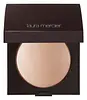
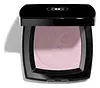
Laura Mercier Matte Radiance Baked Powder Compact Versus Chanel Les Tarots De Chanel Matte Powder Blush

What's inside
What's inside
 Key Ingredients
Benefits
Concerns
Ingredients Side-by-side
Mica
Cosmetic ColorantTalc
Abrasive
Nylon-12


Dimethicone
Emollient

Isopropyl Palmitate
Emollient




Polysorbate 20
Emulsifying
Acrylamide/Sodium Acryloyldimethyltaurate Copolymer
Emulsion StabilisingMagnesium Aluminum Silicate
Absorbent
Octyldodecyl Stearoyl Stearate
Emollient
Cetearyl Ethylhexanoate
Emollient
Isohexadecane
EmollientCaprylyl Glycol
Emollient
Sorbitan Stearate
Emulsifying
Sodium Dehydroacetate
Preservative
Phenoxyethanol
Preservative
Simmondsia Chinensis Seed Oil
Emollient


Tocopheryl Acetate
Antioxidant


Polysorbate 80
Emulsifying
Hexylene Glycol
EmulsifyingLauroyl Lysine
Skin Conditioning
Sorbitan Oleate
Emulsifying
Tin Oxide
Abrasive
Calcium Sodium Borosilicate
Synthetic Fluorphlogopite
Calcium Aluminum Borosilicate
Silica
Abrasive
CI 77891
Cosmetic ColorantCI 77491
Cosmetic ColorantCI 77492
Cosmetic ColorantCI 77499
Cosmetic ColorantMica, Talc, Nylon-12, Dimethicone, Isopropyl Palmitate, Polysorbate 20, Acrylamide/Sodium Acryloyldimethyltaurate Copolymer, Magnesium Aluminum Silicate, Octyldodecyl Stearoyl Stearate, Cetearyl Ethylhexanoate, Isohexadecane, Caprylyl Glycol, Sorbitan Stearate, Sodium Dehydroacetate, Phenoxyethanol, Simmondsia Chinensis Seed Oil, Tocopheryl Acetate, Polysorbate 80, Hexylene Glycol, Lauroyl Lysine, Sorbitan Oleate, Tin Oxide, Calcium Sodium Borosilicate, Synthetic Fluorphlogopite, Calcium Aluminum Borosilicate, Silica, CI 77891, CI 77491, CI 77492, CI 77499
Synthetic Fluorphlogopite
Zinc Stearate
Cosmetic ColorantSqualane
Emollient
Caprylyl Glycol
Emollient
Ethylhexylglycerin
Skin ConditioningKaolin
Abrasive
Water
Skin ConditioningAlcohol
Antimicrobial


Glycerin
Humectant
Tocopherol
Antioxidant

Polysorbate 80
Emulsifying
CI 12085
Cosmetic ColorantCI 15850
Cosmetic ColorantCI 15880
Cosmetic ColorantCI 15985
Cosmetic ColorantCI 17200
Cosmetic ColorantCI 19140
Cosmetic ColorantCI 42090
Cosmetic ColorantCI 45380
Cosmetic ColorantCI 45410
Cosmetic ColorantCI 73360
Cosmetic ColorantCI 77007
Cosmetic ColorantCI 77163
Cosmetic Colorant
CI 77491
Cosmetic ColorantCI 77492
Cosmetic ColorantCI 77499
Cosmetic ColorantCI 77510
Cosmetic ColorantCI 77742
Cosmetic ColorantCI 77891
Cosmetic ColorantMica
Cosmetic ColorantSynthetic Fluorphlogopite, Zinc Stearate, Squalane, Caprylyl Glycol, Ethylhexylglycerin, Kaolin, Water, Alcohol, Glycerin, Tocopherol, Polysorbate 80, CI 12085, CI 15850, CI 15880, CI 15985, CI 17200, CI 19140, CI 42090, CI 45380, CI 45410, CI 73360, CI 77007, CI 77163, CI 77491, CI 77492, CI 77499, CI 77510, CI 77742, CI 77891, Mica
Ingredients Explained
These ingredients are found in both products.
Ingredients higher up in an ingredient list are typically present in a larger amount.
Caprylyl Glycol is a humectant, skin conditioner, emollient, and preservative booster derived from either caprylic acid or synthetically created.
Typical use levels vary from 0.3-1% as a preservative booster and go up to 2% to condition skin.
Because it is not a free-fatty acid, this ingredient is fungal acne safe (there's nothing for Malassezia to feed on).
Learn more about Caprylyl GlycolCi 77491 is also hydrated iron III oxide. It's sole purpose is to give a red/pink hue to products.
Iron III oxides are classified as inorganic chemicals for coloring.
Synthetically created Ci 77491 is considered safer than those naturally found. This is because the synthetically created version may contain less impurities. Iron oxides are generally non-toxic and non-allergenic.
Learn more about CI 77491CI 77492 is also hydrated iron III oxide. It's sole purpose is to give a yellow hue to products.
Iron III oxides are classified as inorganic chemicals for coloring.
Synthetically created CI 77492 is considered safer than those naturally found. This is because the synthetically created version may contain less impurities. Iron oxides are generally non-toxic and non-allergenic.
Learn more about CI 77492Ci 77499 is also hydrated iron III oxide. It is created from mixing red and black iron oxides. This helps give shades of darkness to a product.
Iron III oxides are classified as inorganic chemicals for coloring.
Ci 77891 is a white pigment from Titanium dioxide. It is naturally found in minerals such as rutile and ilmenite.
It's main function is to add a white color to cosmetics. It can also be mixed with other colors to create different shades.
Ci 77891 is commonly found in sunscreens due to its ability to block UV rays.
Learn more about CI 77891Mica is a naturally occurring mineral used to add shimmer and color in cosmetics. It can also help improve the texture of a product or give it an opaque, white/silver color.
Serecite is the name for very fine but ragged grains of mica.
This ingredient is often coated with metal oxides like titanium dioxide. Trace amounts of heavy metals may be found in mica, but these metals are not harmful in our personal products.
Mica has been used since prehistoric times throughout the world. Ancient Egyptian, Indian, Greek, Roman, Aztec, and Chinese civilizations have used mica.
Learn more about MicaPolysorbate 80 is a synthetic surfactant and emulsifier derived from sorbitol and oleic acid.
It reduces the surface tension between oil and water phases to help them stay mixed and stable in a formulation. In other words, it prevents your formulas from separating into an oily mess.
The CIR Expert Panel has evaluated the scientific data and found this ingredient to be safe, non-irritating, and non-sensitizing at concentrations up to 5% (it's even approved by the FDA as an OTC eye drop ingredient).
Learn more about Polysorbate 80Synthetic Fluorphlogopite is the synthethic version of mica. It consists of fluorine, aluminum and silicate.
Synthetic Fluorphlogopite is used to add volume to products.
It is considered non-irritating on the skin.
Learn more about Synthetic Fluorphlogopite

