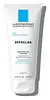
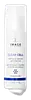
La Roche-Posay Effaclar Medicated Gel Cleanser Versus IMAGE skincare Clear Cell Salicylic Gel Cleanser
This salicylic acid foaming cleanser is formulated around Salicylic Acid to clear breakouts and unclog pores.


What's inside
What's inside
 Key Ingredients
Benefits
Concerns
Ingredients Side-by-side
Water
Skin ConditioningSodium Laureth Sulfate
Cleansing



Decyl Glucoside
Cleansing
Glycerin
Humectant


Sodium Chloride
MaskingCoco-Betaine
Cleansing
PEG-150 Pentaerythrityl Tetrastearate
Emulsifying

Hexylene Glycol
EmulsifyingSodium Hydroxide
BufferingPEG-6 Caprylic/Capric Glycerides
EmulsifyingZinc Gluconate
Skin Conditioning



Tetrasodium EDTA
Polyquaternium-47
Skin ConditioningMenthol
Masking
Capryloyl Salicylic Acid
Exfoliating

Citric Acid
Buffering

Water
Skin ConditioningGlycerin
Humectant
Ammonium Laureth Sulfate
Cleansing
Butylene Glycol
Humectant
Ammonium Lauryl Sulfate
Cleansing
Cocamidopropyl Hydroxysultaine
Cleansing
Salicylic Acid
Masking


Hydroxypropyl Methylcellulose
Emulsion StabilisingPhenoxyethanol
Preservative
Sodium Hydroxide
BufferingMelia Azadirachta Leaf Extract
Skin ConditioningCaprylyl Glycol
Emollient
Laureth-10
EmulsifyingAmmonium Sulfate
Ethylhexylglycerin
Skin ConditioningHexylene Glycol
EmulsifyingHamamelis Virginiana Water
Astringent
Ammonium Chloride
BufferingSodium Benzoate
Masking
Mentha Viridis Leaf Oil
Astringent
Melaleuca Alternifolia Leaf Oil
Antioxidant


Sodium Chloride
MaskingArnica Montana Flower Extract
Masking
Eucalyptus Globulus Leaf Oil
Perfuming
Alcohol
Antimicrobial
Cinnamomum Camphora Bark Oil
Masking
Glyoxal
Antimicrobial
Anthemis Nobilis Flower Extract
Masking

Aesculus Hippocastanum Extract
Antioxidant
Maltodextrin
Absorbent
Syringa Vulgaris Extract
Skin ConditioningBoswellia Serrata Extract
Skin Conditioning
Mel Extract
MoisturisingOryza Sativa Bran Extract
Skin Conditioning
Oligopeptide-10
Antimicrobial
Water, Glycerin, Ammonium Laureth Sulfate, Butylene Glycol, Ammonium Lauryl Sulfate, Cocamidopropyl Hydroxysultaine, Salicylic Acid, Hydroxypropyl Methylcellulose, Phenoxyethanol, Sodium Hydroxide, Melia Azadirachta Leaf Extract, Caprylyl Glycol, Laureth-10, Ammonium Sulfate, Ethylhexylglycerin, Hexylene Glycol, Hamamelis Virginiana Water, Ammonium Chloride, Sodium Benzoate, Mentha Viridis Leaf Oil, Melaleuca Alternifolia Leaf Oil, Sodium Chloride, Arnica Montana Flower Extract, Eucalyptus Globulus Leaf Oil, Alcohol, Cinnamomum Camphora Bark Oil, Glyoxal, Anthemis Nobilis Flower Extract, Aesculus Hippocastanum Extract, Maltodextrin, Syringa Vulgaris Extract, Boswellia Serrata Extract, Mel Extract, Oryza Sativa Bran Extract, Oligopeptide-10
Reviews
Ingredients Explained
These ingredients are found in both products.
Ingredients higher up in an ingredient list are typically present in a larger amount.
Glycerin (or glycerol) is a compound naturally found in your skin. It's a powerhouse humectant that pulls water into the stratum corneum.
Topically, glycerin does several things at once:
Your skin makes glycerin on its own (mostly from sebaceous oil breakdown) and shuttles it to your outermost layer of skin, or your epidermis, via aquaporin-3.
Aquaporin-3 is a transporter that is essential for normal skin hydration, elasticity, and repair. Interestingly, mice lacking in AQP3 have dry and less elastic skin that can be fully corrected with glycerin.
This ingredient is non-irritating, plays well with almost every ingredient, and works across all skin types. Typical use is anywhere between 3-10% but can go up to 79% in some leave-on products.
Just know very high concentrations (>40%) can feel tacky in low humidity.
Glycerin is the name for this ingredient in American English. British English uses Glycerol/Glycerine.
Learn more about GlycerinHexylene Glycol is a multitasker ingredient that works as a solvent, humectant, emulsifier, viscosity reducer, and preservative booster.
It is able to dissolve both water and oil-soluble ingredients to stabilize tricky actives and make products spread more easily.
As a humectant, it pulls water into the skin. But it's a pretty minor moisturizing ingredient compared to other humectants, like glycerin.
Interestingly, it can act as a mild penetration enhancer. One in vitro study on human skin found a 12% concentration upped the absorption of mometasone furoate (a medicinal ingredient used to treat inflammatory skin conditions) up to 7%.
This ingredient is typically used at levels of 0.1-10% depending on the role it's playing.
A patch test study on eczema patients didn't find a significant increase in irritation versus the control group, but the potential for irritation rises at higher concentrations.
Learn more about Hexylene GlycolChances are, you eat sodium chloride every day. Sodium Chloride is also known as table salt. This ingredient has many purposes in skincare: thickener, emulsifier, and exfoliator.
You'll most likely find this ingredient in cleansers where it is used to create a gel-like texture. As an emulsifier, it also prevents ingredients from separating.
You might see people debate whether Sodium Chloride is comedogenic, but there actually haven't been any comedogenic tests done on it. Either way, the overall formulation of a product matters a lot more than any single ingredient.
You might see this ingredient used in scrubs as a primary exfoliating ingredient.
Learn more about Sodium ChlorideSodium Hydroxide is also known as lye or caustic soda. It is used to adjust the pH of products; many ingredients require a specific pH to be effective.
In small amounts, sodium hydroxide is considered safe to use. However, large amounts may cause chemical burns due to its high alkaline.
Your skin has a natural pH and acid mantle. This acid mantle helps prevent harmful bacteria from breaking through. The acid mantle also helps keep your skin hydrated.
"Alkaline" refers to a high pH level. A low pH level would be considered acidic.
Learn more about Sodium HydroxideWater. It's the most common cosmetic ingredient of all. You'll usually see it at the top of ingredient lists, meaning that it makes up the largest part of the product.
So why is it so popular? Water most often acts as a solvent - this means that it helps dissolve other ingredients into the formulation.
You'll also recognize water as that liquid we all need to stay alive. If you see this, drink a glass of water. Remember to stay hydrated!
Learn more about Water

