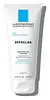
This mild gel cleanser is mild enough to cleanse without leaving skin feeling tight or stripped.


What's inside
What's inside
 Key Ingredients
No key ingredients
Benefits
Concerns
Ingredients Side-by-side
Water
Skin ConditioningSodium Laureth Sulfate
Cleansing



Decyl Glucoside
Cleansing
Glycerin
Humectant


Sodium Chloride
MaskingCoco-Betaine
Cleansing
PEG-150 Pentaerythrityl Tetrastearate
Emulsifying

Hexylene Glycol
EmulsifyingSodium Hydroxide
BufferingPEG-6 Caprylic/Capric Glycerides
EmulsifyingZinc Gluconate
Skin Conditioning



Tetrasodium EDTA
ChelatingPolyquaternium-47
Skin ConditioningMenthol
Masking
Capryloyl Salicylic Acid
Exfoliating

Citric Acid
Buffering

Water
Skin ConditioningSodium Cocoamphoacetate
CleansingLauryl Glucoside
CleansingGlycerin
Humectant
Butylene Glycol
Humectant
Sodium Lauroyl Sarcosinate
CleansingAcrylates/C10-30 Alkyl Acrylate Crosspolymer
Emulsion StabilisingAlthaea Officinalis Root Extract
Skin Conditioning
Caprylyl Glycol
Emollient
Citrus Aurantium Dulcis Peel Oil
Masking
Citrus Limon Peel Oil
Masking

Coco-Glucoside
Cleansing
Cymbopogon Citratus Leaf/Stem Oil
Masking
Disodium EDTA
ChelatingEthylene Brassylate
MaskingEthylhexylglycerin
Skin ConditioningGlyceryl Oleate
Emollient
Hexylene Glycol
EmulsifyingLavandula Hybrida Oil
Emollient
Linalool
Perfuming
Linalyl Acetate
Masking
Litsea Cubeba Fruit Oil
Masking
Menthol
Masking
Octanal
Perfuming
Phenoxyethanol
Preservative
Phoenix Dactylifera Fruit Extract
EmollientSalix Alba Bark Extract
Astringent
Sodium Cocoyl Glutamate
Cleansing
Sodium Hydroxide
BufferingSodium Lauryl Glucose Carboxylate
CleansingTetrasodium EDTA
ChelatingWater, Sodium Cocoamphoacetate, Lauryl Glucoside, Glycerin, Butylene Glycol, Sodium Lauroyl Sarcosinate, Acrylates/C10-30 Alkyl Acrylate Crosspolymer, Althaea Officinalis Root Extract, Caprylyl Glycol, Citrus Aurantium Dulcis Peel Oil, Citrus Limon Peel Oil, Coco-Glucoside, Cymbopogon Citratus Leaf/Stem Oil, Disodium EDTA, Ethylene Brassylate, Ethylhexylglycerin, Glyceryl Oleate, Hexylene Glycol, Lavandula Hybrida Oil, Linalool, Linalyl Acetate, Litsea Cubeba Fruit Oil, Menthol, Octanal, Phenoxyethanol, Phoenix Dactylifera Fruit Extract, Salix Alba Bark Extract, Sodium Cocoyl Glutamate, Sodium Hydroxide, Sodium Lauryl Glucose Carboxylate, Tetrasodium EDTA
Reviews
Ingredients Explained
These ingredients are found in both products.
Ingredients higher up in an ingredient list are typically present in a larger amount.
Glycerin (or glycerol) is a compound naturally found in your skin. It's a powerhouse humectant that pulls water into the stratum corneum.
Topically, glycerin does several things at once:
Your skin makes glycerin on its own (mostly from sebaceous oil breakdown) and shuttles it to your outermost layer of skin, or your epidermis, via aquaporin-3.
Aquaporin-3 is a transporter that is essential for normal skin hydration, elasticity, and repair. Interestingly, mice lacking in AQP3 have dry and less elastic skin that can be fully corrected with glycerin.
This ingredient is non-irritating, plays well with almost every ingredient, and works across all skin types. Typical use is anywhere between 3-10% but can go up to 79% in some leave-on products.
Just know very high concentrations (>40%) can feel tacky in low humidity.
Glycerin is the name for this ingredient in American English. British English uses Glycerol/Glycerine.
Learn more about GlycerinHexylene Glycol is a multitasker ingredient that works as a solvent, humectant, emulsifier, viscosity reducer, and preservative booster.
It is able to dissolve both water and oil-soluble ingredients to stabilize tricky actives and make products spread more easily.
As a humectant, it pulls water into the skin. But it's a pretty minor moisturizing ingredient compared to other humectants, like glycerin.
Interestingly, it can act as a mild penetration enhancer. One in vitro study on human skin found a 12% concentration upped the absorption of mometasone furoate (a medicinal ingredient used to treat inflammatory skin conditions) up to 7%.
This ingredient is typically used at levels of 0.1-10% depending on the role it's playing.
A patch test study on eczema patients didn't find a significant increase in irritation versus the control group, but the potential for irritation rises at higher concentrations.
Learn more about Hexylene GlycolMenthol is a compound found in mint plants, such as peppermint. In its pure form, it is a clear crystalline substance.
Menthol is known for its cooling sensation; however, the cooling is actually from your skin being sensitized. Menthol can worsen rosacea. We recommend speaking with a professional if you have concerns.
Menthol also has antimicrobial properties.
Learn more about MentholSodium Hydroxide is also known as lye or caustic soda. It is used to adjust the pH of products; many ingredients require a specific pH to be effective.
In small amounts, sodium hydroxide is considered safe to use. However, large amounts may cause chemical burns due to its high alkaline.
Your skin has a natural pH and acid mantle. This acid mantle helps prevent harmful bacteria from breaking through. The acid mantle also helps keep your skin hydrated.
"Alkaline" refers to a high pH level. A low pH level would be considered acidic.
Learn more about Sodium HydroxideTetrasodium EDTA is the salt formed from neutralizing ethylenediamine tetraacetic acid with sodium hydroxide. It is a chelating agent and used to prevent metal ions from binding to other ingredients. This helps keep the product and ingredients stable.
Tetrasodium EDTA comes as a white solid and is soluble in water.
Water. It's the most common cosmetic ingredient of all. You'll usually see it at the top of ingredient lists, meaning that it makes up the largest part of the product.
So why is it so popular? Water most often acts as a solvent - this means that it helps dissolve other ingredients into the formulation.
You'll also recognize water as that liquid we all need to stay alive. If you see this, drink a glass of water. Remember to stay hydrated!
Learn more about Water

