This acne treatment is formulated around Niacinamide and Zinc PCA to clear breakouts and balance excess oil.
This acne treatment is formulated around Benzoyl Peroxide and Capryloyl Salicylic Acid to clear breakouts and balance excess oil.

What's inside
What's inside
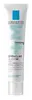 Key Ingredients
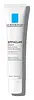
Benefits
Concerns
Ingredients Side-by-side
Water
Skin ConditioningGlycerin
Humectant


Dimethicone
Emollient
Isocetyl Stearate
Emollient




Niacinamide
Smoothing









Isopropyl Lauroyl Sarcosinate
Skin ConditioningSilica
Abrasive
Ammonium Polyacryloyldimethyl Taurate
Emulsion StabilisingOryza Sativa Starch
AbsorbentPunica Granatum Pericarp Extract
Skin ConditioningPotassium Cetyl Phosphate
EmulsifyingSorbitan Oleate
Emulsifying
Zinc PCA
Humectant
Glyceryl Stearate Se
Emulsifying
Isohexadecane
EmollientSodium Hydroxide
BufferingMyristyl Myristate
Emollient
2-Oleamido-1,3-Octadecanediol
Skin ConditioningMannose
HumectantPoloxamer 338
EmulsifyingPropanediol
Solvent
Hydroxyethoxyphenyl Butanone
Preservative
Capryloyl Salicylic Acid
Exfoliating
Caprylyl Glycol
Emollient
Vitreoscilla Ferment
Skin Conditioning
Citric Acid
Buffering
Trisodium Ethylenediamine Disuccinate
ChelatingMaltodextrin
Absorbent
Xanthan Gum
EmulsifyingPentylene Glycol
Skin Conditioning
Polysorbate 80
Emulsifying
Acrylamide/Sodium Acryloyldimethyltaurate Copolymer
Emulsion StabilisingSalicylic Acid
Masking


Piroctone Olamine
Preservative
Parfum
Masking

Water, Glycerin, Dimethicone, Isocetyl Stearate, Niacinamide, Isopropyl Lauroyl Sarcosinate, Silica, Ammonium Polyacryloyldimethyl Taurate, Oryza Sativa Starch, Punica Granatum Pericarp Extract, Potassium Cetyl Phosphate, Sorbitan Oleate, Zinc PCA, Glyceryl Stearate Se, Isohexadecane, Sodium Hydroxide, Myristyl Myristate, 2-Oleamido-1,3-Octadecanediol, Mannose, Poloxamer 338, Propanediol, Hydroxyethoxyphenyl Butanone, Capryloyl Salicylic Acid, Caprylyl Glycol, Vitreoscilla Ferment, Citric Acid, Trisodium Ethylenediamine Disuccinate, Maltodextrin, Xanthan Gum, Pentylene Glycol, Polysorbate 80, Acrylamide/Sodium Acryloyldimethyltaurate Copolymer, Salicylic Acid, Piroctone Olamine, Parfum
Benzoyl Peroxide 5.5%
Water
Skin ConditioningIsostearyl Alcohol
Emollient
Glycerin
Humectant
Pentylene Glycol
Skin Conditioning
Silica
Abrasive
Carbomer
Emulsion StabilisingCapryloyl Salicylic Acid
Exfoliating
Potassium Hydroxide
BufferingTocopheryl Acetate
Antioxidant

Acrylates/C10-30 Alkyl Acrylate Crosspolymer
Emulsion StabilisingDisodium EDTA
ChelatingEpilobium Angustifolium Flower/Leaf/Stem Extract
Skin Conditioning
Reviews
Ingredients Explained
These ingredients are found in both products.
Ingredients higher up in an ingredient list are typically present in a larger amount.
Capryloyl Salicylic Acid comes from salicylic acid, the famous acne-fighting BHA.
It usually goes by a more common name of LHA, or lipohydroxy acid.
Like salicylic acid, this ingredient is a chemical exfoliant that can help break down the oil in your pores and reduce inflammation.
Though studies for LHA do show it to be less effective than salicylic acid. To be fair, salicylic acid is the reigning monarch of acne treatments.
However, a study from 2009 found LHA to be comparable to BPO, making it a good alternative for people with sensitive skin. Another study of 14 patients found a significant decrease in comedones after using LHA.
Another pro of LHA? It is less irritating than salicylic acid due to its large molecule size.
Large molecules cannot penetrate skin as well, so they are gentler on the skin. LHA is much less penetrative than salicylic acid.
An in-vitro study (not done on a living organism) found only 6% of LHA penetrated past the statum corneum compared to 58% of salicylic acid. An in-vivo (done on a living organism) analysis revealed ~17% of LHA was still present in the top layer of skin after 4 days, versus ~9% of salicylic acid.
Interestingly, a study from 2008 found LHA comparable to another famous acid, glycolic acid.
This study found about 10% of LHA is as effective as 20-50% of glycolic acid in treating hyperpigmentation and fine-lines.
Hydroxy acids have been found to stimulate skin protein, lipids, and thermal thickening. This may have anti-aging benefits.
Learn more about Capryloyl Salicylic AcidGlycerin (or glycerol) is a compound naturally found in your skin. It's a powerhouse humectant that pulls water into the stratum corneum.
Topically, glycerin does several things at once:
Your skin makes glycerin on its own (mostly from sebaceous oil breakdown) and shuttles it to your outermost layer of skin, or your epidermis, via aquaporin-3.
Aquaporin-3 is a transporter that is essential for normal skin hydration, elasticity, and repair. Interestingly, mice lacking in AQP3 have dry and less elastic skin that can be fully corrected with glycerin.
This ingredient is non-irritating, plays well with almost every ingredient, and works across all skin types. Typical use is anywhere between 3-10% but can go up to 79% in some leave-on products.
Just know very high concentrations (>40%) can feel tacky in low humidity.
Glycerin is the name for this ingredient in American English. British English uses Glycerol/Glycerine.
Learn more about GlycerinPentylene Glycol (1,2-pentanediol) is a multitasking little diol with three main roles in a formula:
Research on alkanediols (the family pentylene glycol belongs to) show they work by disrupting microbial cell membranes. This disruption helps the primary preservative system in a product work more effectively at lower doses.
On the safety side, the Cosmetic Ingredient Review Expert Panel has concluded this ingredient to be safe as used in current cosmetic practices + concentrations.
Typical use levels in a formula run about 1-5%.
Learn more about Pentylene GlycolSilica, also known as silicon dioxide, is a naturally occurring mineral. It is used as a fine, spherical, and porous powder in cosmetics.
Though it has exfoliant properties, the function of silica varies depending on the product.
The unique structure of silica enhances the spreadability and adds smoothness, making it a great texture enhancer.
It is also used as an active carrier, emulsifier, and mattifier due to its ability to absorb excess oil.
In some products, tiny microneedles called spicules are made from silica or hydrolyzed sponge. When you rub them in, they lightly polish away dead skin layers and enhance the penetration of active ingredients.
Learn more about SilicaWater. It's the most common cosmetic ingredient of all. You'll usually see it at the top of ingredient lists, meaning that it makes up the largest part of the product.
So why is it so popular? Water most often acts as a solvent - this means that it helps dissolve other ingredients into the formulation.
You'll also recognize water as that liquid we all need to stay alive. If you see this, drink a glass of water. Remember to stay hydrated!
Learn more about Water

