Kiku-Masamune Sake Brewing Japanese Sake Skin Cleansing Gel Versus SANA Soy Milk Moisture Cleansing Milk NC
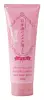
This mild gel cleanser is made to cleanse while calming and soothing your skin.
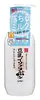
This cream cleanser uses mild cleansing ingredients, but contains alcohol that may feel drying for some.

What's inside
What's inside
 Key Ingredients
Benefits
Concerns
Ingredients Side-by-side
Water
Skin ConditioningDipropylene Glycol
HumectantPEG-20 Glyceryl Triisostearate
Emollient

PEG-20 Glyceryl Isostearate
Surfactant
Rice Ferment Lees
HumectantGlutamic Acid
Humectant
Arginine
Masking

Leucine
Skin ConditioningPlacental Extract
Arbutin
Antioxidant



Dipotassium Glycyrrhizate
Humectant
Squalane
Emollient

Pseudozyma Epicola/Olive Fruit Oil Ferment Filtrate
Humectant
Bis-Ethoxydiglycol Cyclohexane 1,4-Dicarboxylate
EmollientCaprylic/Capric Triglyceride
Masking
Pentylene Glycol
Skin Conditioning
Carbomer
Emulsion StabilisingSodium Hydroxide
BufferingPhenoxyethanol
Preservative
Methylparaben
Preservative


Parfum
Masking


Water, Dipropylene Glycol, PEG-20 Glyceryl Triisostearate, PEG-20 Glyceryl Isostearate, Rice Ferment Lees, Glutamic Acid, Arginine, Leucine, Placental Extract, Arbutin, Dipotassium Glycyrrhizate, Squalane, Pseudozyma Epicola/Olive Fruit Oil Ferment Filtrate, Bis-Ethoxydiglycol Cyclohexane 1,4-Dicarboxylate, Caprylic/Capric Triglyceride, Pentylene Glycol, Carbomer, Sodium Hydroxide, Phenoxyethanol, Methylparaben, Parfum
Water
Skin ConditioningDipropylene Glycol
HumectantParaffinum Liquidum
Emollient
Glycerin
Humectant
Isododecane
EmollientPEG-20 Glyceryl Triisostearate
Emollient
PPG-9 Diglyceryl Ether
Skin ConditioningPolysorbate 60
Emulsifying
Polyglyceryl-6 Dicaprate
EmulsifyingSoymilk Isoflavones
Antioxidant
Lactobacillus/Soymilk Ferment Filtrate
Skin ConditioningHydroxyethyl Acrylate/Sodium Acryloyldimethyl Taurate Copolymer
Emulsion StabilisingAcrylates/C10-30 Alkyl Acrylate Crosspolymer
Emulsion StabilisingAmmonium Acryloyldimethyltaurate/Vp Copolymer
Butylene Glycol
Humectant
Alcohol
Antimicrobial

Ethylhexylglycerin
Skin ConditioningXanthan Gum
EmulsifyingCyclodextrin
AbsorbentDiphenylsiloxy Phenyl Trimethicone
Skin Conditioning
Squalane
Emollient
Glyceryl Stearate
Emollient
Hydrolyzed Soy Protein
Humectant
Glycine Max Seed Extract
Skin ConditioningTocopherol
Antioxidant
Hydroxyethylcellulose
Emulsion StabilisingPentasodium Pentetate
ChelatingSodium Hydroxide
BufferingPhenoxyethanol
Preservative
Methylparaben
Preservative
Water, Dipropylene Glycol, Paraffinum Liquidum, Glycerin, Isododecane, PEG-20 Glyceryl Triisostearate, PPG-9 Diglyceryl Ether, Polysorbate 60, Polyglyceryl-6 Dicaprate, Soymilk Isoflavones, Lactobacillus/Soymilk Ferment Filtrate, Hydroxyethyl Acrylate/Sodium Acryloyldimethyl Taurate Copolymer, Acrylates/C10-30 Alkyl Acrylate Crosspolymer, Ammonium Acryloyldimethyltaurate/Vp Copolymer, Butylene Glycol, Alcohol, Ethylhexylglycerin, Xanthan Gum, Cyclodextrin, Diphenylsiloxy Phenyl Trimethicone, Squalane, Glyceryl Stearate, Hydrolyzed Soy Protein, Glycine Max Seed Extract, Tocopherol, Hydroxyethylcellulose, Pentasodium Pentetate, Sodium Hydroxide, Phenoxyethanol, Methylparaben
Alternatives
Ingredients Explained
These ingredients are found in both products.
Ingredients higher up in an ingredient list are typically present in a larger amount.
Dipropylene Glycol is a synthetically created humectant, stabilizer, and solvent.
This ingredient helps:
Dipropylene glycol is technically an alcohol, but it belongs to the glycol family (often considered part of the ‘good’ alcohols). This means it is hydrating and gentle on skin unlike drying solvent alcohols like denatured alcohol.
As a masking agent, Dipropylene Glycol can be used to cover the smell of other ingredients. However, it does not have a scent.
Studies show Dipropylene Glycol is considered safe to use in skincare.
Learn more about Dipropylene GlycolMethylparaben is a synthetic preservative and one of the most widely used in the world. It has a simple, but important job: prevent your products from going bad by stopping bacteria, yeast, and mold from growing.
Typical use levels are low, often 0.1-0.3%.
This is also one of the most heavily studied preservatives out there and major regulatory bodies have repeatedly given it the green light.
In 2023, the EU's Scientific Committee on Consumer Safety (SCCS) confirmed that this ingredient is safe up to 0.4% on its own, of up to 0.8% when mixed with other paraben esters.
Here's the science behind the noise behind parabens/hormones as well:
Methylparaben shows very weak estrogen-like activity in vitro tests (more than 1,000x weaker than your body's own estradiol). In vivo (live-organism) studies don't support a meaningful endocrine-disrupting effect either.
You get a stronger estrogenic effect from eating tofu, actually.
It's also a low sensitizer and allergic reactions are uncommon; they usually happen on damage or broken skin.
There is a caveat: France has proposed to formally re-examine its endocrine classification in 2025 so the regulatory conversation isn't fully closed as of yet.
But as it stands today, this ingredient is considered safe at permitted levels.
Learn more about MethylparabenPEG-20 Glyceryl Triisostearate is a synthetic, oil-loving helper ingredient that does two jobs:
This ingredient is made by joining three building blocks: PEG, Isostearic Acid and glycerin. The PEG gives it the oil-and-water blending power.
This ingredient has been found safe for use in cosmetics and broader PEG family testing shows minimal irritation/sensitization. The molecule's large size also means it isn't expected to penetrate skin to any meaningful degree.
Fungal acne note: This ingredient may not be fungal acne safe due to isostearic acid (C18). Isostearic acid falls into the C11-24 range that Malassezia can feed on.
Learn more about PEG-20 Glyceryl TriisostearatePhenoxyethanol is one of the most widely used preservatives in skincare (and for good reason!).
It has a large spectrum of antimicrobial activity and especially effective bacteria, yeast, and mold while only having a weak effect on your skin's natural microbiome.
On a cellular level, it disrupts the cell membranes of microbes by poking holes that make the cell leak. This shuts down the chemical reactions the microbe needs to make energy so it can no longer survive.
Another perk of this ingredient is that it stays functional across a wide pH range (3-10).
You'll often see it paired with boosters like Ethylhexylglycerin; one study showed that a 1:9 ratio of Ethylhexylglycerin to Phenoxyethanol damages bacterial membranes as effectively as doubling the Phenoxyethanol concentration on its own.
Typical use concentrations range from 0.3-1% depending on the formula, and this ingredient is capped at 1% int the EU.
Safety-wise, the fear mongering does not hold up to the evidence. The EU's Scientific Committee on Consumer Safety and FDA consider it safe as a preservative at up to 1%, including for children of all ages.
Adverse systemic effects only showed up in animal studies at exposures roughly 200x higher than what people get from cosmetics. And despite its very widespread use, this ingredient is a rare sensitizer and allergic reactions are uncommon.
Learn more about PhenoxyethanolSodium Hydroxide is also known as lye or caustic soda. It is used to adjust the pH of products; many ingredients require a specific pH to be effective.
In small amounts, sodium hydroxide is considered safe to use. However, large amounts may cause chemical burns due to its high alkaline.
Your skin has a natural pH and acid mantle. This acid mantle helps prevent harmful bacteria from breaking through. The acid mantle also helps keep your skin hydrated.
"Alkaline" refers to a high pH level. A low pH level would be considered acidic.
Learn more about Sodium HydroxideSqualane is the hydrogenated and shelf-stable form of squalene (a lipid that naturally occurs in human sebum).
It is an emollient and skin conditioning agent that is able to integrate seamlessly into the skin's lipid barrier without clogging pores.
This is due to how structurally similar it is to what your skin already produces.
Though it is mostly an emollient that helps soften and hydrate skin, it also has some humectant and occlusive action. Humectants help the skin retain moisture while occlusives seal it in, making squalane a triple-threat moisturizer.
Research shows it has antioxidant capabilities that help protect against stressors like UV exposure, specifically UVA induced oxidative stress. This study also found that it supports collagen biosynthesis in human dermal fibroblasts.
No clinical study has reported significant adverse effects and irritation reactions are very rare from this ingredient (even at 100% concentration).
Overall, it's a fantastic ingredient for hydration and is suitable for all skin types.
This depends on the source. Squalane can be derived from both plants and animals. Most squalane used in skincare comes from plants.
Please note: the source of squalane is only known if disclosed by the brand. We recommend reaching out to the brand if you have any questions about their squalane.
Read more about squalene with an "e".
Though squalane is often called an oil, it’s technically not one. It is a hydrocarbon, meaning it is only made of carbon and hydrogen. True oils are triglycerides and made of fatty acids and glycerol.
The term “oil-free” isn’t regulated so companies can define it however they want. Some exclude all oils, while others just avoid mineral oil or comedogenic oils.
Squalane has a comedogenic rating of 1 from the original 1972 study that tested raw ingredients under occlusion on rabbit ears. This system is not standardized or peer-reviewed, and using the raw ingredients is very different from how diluted cosmetic formulations are used on human skin.
A comedogenic rating of 1 means it is "unlikely to clog pores" according to the original rating system.
The overall formula of a product matters more than the individual ingredients on whether or not it will cause clogged pores.
Learn more about SqualaneWater. It's the most common cosmetic ingredient of all. You'll usually see it at the top of ingredient lists, meaning that it makes up the largest part of the product.
So why is it so popular? Water most often acts as a solvent - this means that it helps dissolve other ingredients into the formulation.
You'll also recognize water as that liquid we all need to stay alive. If you see this, drink a glass of water. Remember to stay hydrated!
Learn more about Water


