This barrier-repair lip moisturizer is formulated around Bis-Diglyceryl Polyacyladipate-2 and Aloe Barbadensis Leaf Extract to strengthen the lip barrier and hydrate lips.


What's inside
What's inside
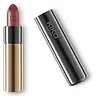 Key Ingredients
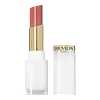
Benefits
Concerns
Ingredients Side-by-side
Di-C12-13 Alkyl Tartrate
EmollientOctyldodecanol
Emollient
Myristyl Trisiloxane
Emollient
Cetyl Dimethicone
Emollient
Polyethylene
Abrasive

Caprylic/Capric Triglyceride
Masking


Cera Microcristallina
Emulsion StabilisingC30-45 Alkyl Dimethicone
Skin Conditioning
Mica
Cosmetic ColorantTalc
Abrasive
Stearalkonium Bentonite
Gel FormingDicalcium Phosphate
Abrasive
Propylene Carbonate
SolventSynthetic Fluorphlogopite
Ethyl Vanillin
MaskingCaprylyl Methicone
Skin Conditioning
Zea Mays Oil
Emulsifying




Ethylhexyl Palmitate
Emollient
Phalaenopsis Amabilis Extract
HumectantPentaerythrityl Tetra-Di-T-Butyl Hydroxyhydrocinnamate
Antioxidant
Trihydroxystearin
Skin Conditioning
Centella Asiatica Extract
Cleansing




Sodium Hyaluronate
Humectant
Glucomannan
Skin ConditioningTocopheryl Acetate
Antioxidant

BHT
Antioxidant
Tin Oxide
Abrasive
CI 77891
Cosmetic ColorantCI 77491
Cosmetic ColorantCI 77947
CI 75470
Cosmetic ColorantCI 15850
Cosmetic ColorantCI 42090
Cosmetic ColorantCI 45380
Cosmetic ColorantCI 45410
Cosmetic ColorantDi-C12-13 Alkyl Tartrate, Octyldodecanol, Myristyl Trisiloxane, Cetyl Dimethicone, Polyethylene, Caprylic/Capric Triglyceride, Cera Microcristallina, C30-45 Alkyl Dimethicone, Mica, Talc, Stearalkonium Bentonite, Dicalcium Phosphate, Propylene Carbonate, Synthetic Fluorphlogopite, Ethyl Vanillin, Caprylyl Methicone, Zea Mays Oil, Ethylhexyl Palmitate, Phalaenopsis Amabilis Extract, Pentaerythrityl Tetra-Di-T-Butyl Hydroxyhydrocinnamate, Trihydroxystearin, Centella Asiatica Extract, Sodium Hyaluronate, Glucomannan, Tocopheryl Acetate, BHT, Tin Oxide, CI 77891, CI 77491, CI 77947, CI 75470, CI 15850, CI 42090, CI 45380, CI 45410
Polybutene
Diisostearyl Malate
EmollientHydrogenated Polyisobutene
EmollientDiphenylsiloxy Phenyl Trimethicone
Skin Conditioning
Bis-Diglyceryl Polyacyladipate-2
Emollient
Octyldodecyl Neopentanoate
EmollientHydrogenated Polydecene
EmollientDiisopropyl Dimer Dilinoleate
Emollient
Mica
Cosmetic ColorantC10-30 Cholesterol/Lanosterol Esters
Emulsifying
Ozokerite
Emulsion StabilisingPolyethylene
Abrasive
Synthetic Wax
Abrasive
Silica Silylate
Emollient
Aloe Barbadensis Leaf Extract
Emollient
BHT
Antioxidant
Butylene Glycol
Humectant
Ethylhexyl Palmitate
Emollient
Parfum
Masking

Pentaerythrityl Tetraethylhexanoate
Emollient
Quartz
Abrasive
Silica Dimethyl Silylate
EmollientSodium Hyaluronate
Humectant
Caprylyl Glycol
Emollient
Phenoxyethanol
Preservative
Tocopherol
Antioxidant
CI 77491
Cosmetic ColorantCI 15850
Cosmetic ColorantCI 77891
Cosmetic ColorantCI 19140
Cosmetic ColorantVanillin
Masking
Polybutene, Diisostearyl Malate, Hydrogenated Polyisobutene, Diphenylsiloxy Phenyl Trimethicone, Bis-Diglyceryl Polyacyladipate-2, Octyldodecyl Neopentanoate, Hydrogenated Polydecene, Diisopropyl Dimer Dilinoleate, Mica, C10-30 Cholesterol/Lanosterol Esters, Ozokerite, Polyethylene, Synthetic Wax, Silica Silylate, Aloe Barbadensis Leaf Extract, BHT, Butylene Glycol, Ethylhexyl Palmitate, Parfum, Pentaerythrityl Tetraethylhexanoate, Quartz, Silica Dimethyl Silylate, Sodium Hyaluronate, Caprylyl Glycol, Phenoxyethanol, Tocopherol, CI 77491, CI 15850, CI 77891, CI 19140, Vanillin
Reviews
Ingredients Explained
These ingredients are found in both products.
Ingredients higher up in an ingredient list are typically present in a larger amount.
BHT is a synthetic antioxidant and preservative.
As an antioxidant, it helps your body fight off free-radicals. Free-radicals are molecules that may damage your skin cells.
As a preservative, it is used to stabilize products and prevent them from degrading. Specifically, BHT prevents degradation from oxidation.
The concerns related to BHT come from oral studies; this ingredient is currently allowed for use by both the FDA and EU.
However, it was recently restricted for use in the UK as of April 2024.
Learn more about BHTCi 15850 is the pigment color red. It is an azo dye and created synthetically.
Azo dyes need to be thoroughly purified before use. This allows them to be more stable and longer-lasting.
This ingredient is common in foundations, lipsticks, and blushes. This color is described as brown/orangey red.
It has many secondary names such as Red 6 and Red 7. According to a manufacturer, Red 6 usually contains aluminum.
Learn more about CI 15850Ci 77491 is also hydrated iron III oxide. It's sole purpose is to give a red/pink hue to products.
Iron III oxides are classified as inorganic chemicals for coloring.
Synthetically created Ci 77491 is considered safer than those naturally found. This is because the synthetically created version may contain less impurities. Iron oxides are generally non-toxic and non-allergenic.
Learn more about CI 77491Ci 77891 is a white pigment from Titanium dioxide. It is naturally found in minerals such as rutile and ilmenite.
It's main function is to add a white color to cosmetics. It can also be mixed with other colors to create different shades.
Ci 77891 is commonly found in sunscreens due to its ability to block UV rays.
Learn more about CI 77891Ethylhexyl Palmitate, also known as octyl palmitate, is created from 2-ethylhexyl alcohol and palmitic acid.
In cosmetics, it plays many roles:
One thing worth noting: a controlled study found this ingredient applied under occlusion to acne-prone subjects increased microcomedones. Just keep in mind this was under occlusive conditions and don't reflect how most products are used day-to-day.
For most people, this is a well-tolerated and lightweight ingredient.
This ingredient may not be fungal acne safe because it is an ester of palmitic acid, a C16 fatty acid that falls within the C11-24 range that Malassezia can metabolize.
You'll see this one rated 4 comedogenic all over the internet. That number isn't from a single study, and the actual research is more interesting.
The original rating comes from 1980s rabbit ear tests (which are a shaky basis for anything). But Ethylhexyl Palmitate is one of the few ingredients with real human data behind it. A 2021 controlled trial found this ingredient increased microcomedones by an average of 365% over four weeks.
Just know that test used the pure ingredient under an occlusive pad on back skin; most products use it at much lower levels alongside other ingredients and plenty of people use those with no issue.
Learn more about Ethylhexyl PalmitateMica is a naturally occurring mineral used to add shimmer and color in cosmetics. It can also help improve the texture of a product or give it an opaque, white/silver color.
Serecite is the name for very fine but ragged grains of mica.
This ingredient is often coated with metal oxides like titanium dioxide. Trace amounts of heavy metals may be found in mica, but these metals are not harmful in our personal products.
Mica has been used since prehistoric times throughout the world. Ancient Egyptian, Indian, Greek, Roman, Aztec, and Chinese civilizations have used mica.
Learn more about MicaPolyethylene is a synthetic ingredient that helps the skin retain moisture. It is a polymer.
It is also typically used within product formulations to help bind solid ingredients together and thicken oil-based ingredients. When added to balms and emulsions, it helps increase the melting point temperature.
Sodium Hyaluronate is the salt form of hyaluronic acid. It is a long sugar chain that is naturally found in your skin, joints, and connective tissue that maintains hydration and elasticity.
In skincare, it works as a humectant. It pulls water from the environment and deeper layers of skin and binds it to the surface.
Interestingly, the size of the molecule affects its behavior:
Some clinical evidence links low molecular weight versions to improved wrinkle depth, elasticity, anti-inflammatory effects, and barrier repair.
Many serums use a blend of both weights so you can get surface hydration plus longer-lasting and deeper effects.
You'll typically see concentrations between 0.1-2% for this ingredient.
Learn more about Sodium Hyaluronate

