

What's inside
What's inside
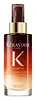 Key Ingredients
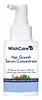
Benefits
Concerns
Ingredients Side-by-side
Water
Skin ConditioningDimethicone
Emollient

C13-16 Isoalkane
SolventNiacinamide
Smoothing










Glycerin
Humectant
Polyacrylamide
Phenoxyethanol
Preservative
C13-14 Isoparaffin
Emollient
Laureth-7
EmulsifyingPanthenol
Skin Conditioning
Ascorbyl Glucoside
Antioxidant

Butylene Glycol
Humectant
Linalool
Perfuming




Hydroxycitronellal
Perfuming
Benzyl Salicylate
Perfuming
Benzyl Alcohol
Perfuming
Hexyl Cinnamal
Perfuming
Citronellol
Perfuming
Hydrolyzed Wheat Protein
Skin ConditioningAlpha-Isomethyl Ionone
Perfuming
Coumarin
Perfuming
Hydrolyzed Corn Protein
Skin ConditioningHydrolyzed Soy Protein
Humectant
Limonene
Perfuming
Iris Florentina Root Extract
MaskingCitric Acid
Buffering
CI 19140
Cosmetic ColorantCI 14700
Cosmetic ColorantParfum
Masking
Water, Dimethicone, C13-16 Isoalkane, Niacinamide, Glycerin, Polyacrylamide, Phenoxyethanol, C13-14 Isoparaffin, Laureth-7, Panthenol, Ascorbyl Glucoside, Butylene Glycol, Linalool, Hydroxycitronellal, Benzyl Salicylate, Benzyl Alcohol, Hexyl Cinnamal, Citronellol, Hydrolyzed Wheat Protein, Alpha-Isomethyl Ionone, Coumarin, Hydrolyzed Corn Protein, Hydrolyzed Soy Protein, Limonene, Iris Florentina Root Extract, Citric Acid, CI 19140, CI 14700, Parfum
Water
Skin ConditioningPropylene Glycol
Humectant
Glycerin
Humectant
Lactobacillus/Rice Ferment
Skin Conditioning
Redensyl
Baicalin
Antioxidant
Cetrimonium Chloride
Antimicrobial
Keratin
Skin ConditioningPalmeth-2
EmulsifyingCaffeine
Skin Conditioning
Biotin
AntiseborrhoeicEthylhexylglycerin
Skin ConditioningXanthan Gum
EmulsifyingTocopherol
Antioxidant
Cocamidopropyl Betaine
Cleansing
Phenoxyethanol
Preservative
Sodium Benzoate
Masking
Potassium Sorbate
Preservative
Reviews
Ingredients Explained
These ingredients are found in both products.
Ingredients higher up in an ingredient list are typically present in a larger amount.
Glycerin (or glycerol) is a compound naturally found in your skin. It's a powerhouse humectant that pulls water into the stratum corneum.
Topically, glycerin does several things at once:
Your skin makes glycerin on its own (mostly from sebaceous oil breakdown) and shuttles it to your outermost layer of skin, or your epidermis, via aquaporin-3.
Aquaporin-3 is a transporter that is essential for normal skin hydration, elasticity, and repair. Interestingly, mice lacking in AQP3 have dry and less elastic skin that can be fully corrected with glycerin.
This ingredient is non-irritating, plays well with almost every ingredient, and works across all skin types. Typical use is anywhere between 3-10% but can go up to 79% in some leave-on products.
Just know very high concentrations (>40%) can feel tacky in low humidity.
Glycerin is the name for this ingredient in American English. British English uses Glycerol/Glycerine.
Learn more about GlycerinPhenoxyethanol is a preservative that has germicide, antimicrobial, and aromatic properties. Studies show that phenoxyethanol can prevent microbial growth. By itself, it has a scent that is similar to that of a rose.
It's often used in formulations along with Caprylyl Glycol to preserve the shelf life of products.
Water. It's the most common cosmetic ingredient of all. You'll usually see it at the top of ingredient lists, meaning that it makes up the largest part of the product.
So why is it so popular? Water most often acts as a solvent - this means that it helps dissolve other ingredients into the formulation.
You'll also recognize water as that liquid we all need to stay alive. If you see this, drink a glass of water. Remember to stay hydrated!
Learn more about Water
