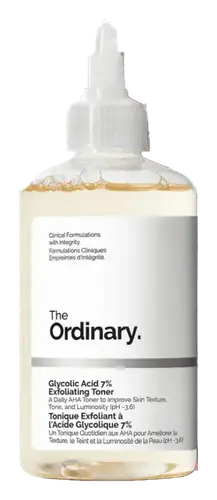
This pore-care treatment is formulated around Gluconolactone and 4-Terpineol to refine the look of pores and clear breakouts.
This calming treatment is formulated around Superoxide Dismutase and Ergothioneine to calm redness and soften the look of wrinkles.


What's inside
What's inside
 Key Ingredients
Benefits
Concerns
No concerns
Ingredients Side-by-side
Water
Skin Conditioning1,2-Hexanediol
Skin Conditioning
Hamamelis Virginiana Water
Astringent



Salvia Officinalis Leaf Extract
CleansingButylene Glycol
Humectant
Arctium Majus Root Extract
Skin Conditioning
Chamaecyparis Obtusa Water
MaskingEucalyptus Globulus Leaf Extract
Perfuming
Melissa Officinalis Leaf Extract
Skin ConditioningGlycerin
Humectant
Hypericum Perforatum Flower/Leaf/Stem Extract
Skin ConditioningSaponaria Officinalis Leaf Extract
AntimicrobialSorbitol
Humectant
Gluconolactone
Chelating






Ethylhexylglycerin
Skin ConditioningPropanediol
Solvent
Trisodium Ethylenediamine Disuccinate
Chelating4-Terpineol
Masking
Succinic Acid
BufferingBetaine
Humectant
Melaleuca Alternifolia Leaf Water
Antimicrobial
Panthenol
Skin Conditioning
Hyaluronic Acid
Humectant
Hydrolyzed Hyaluronic Acid
Humectant
Sodium Hyaluronate
Humectant
Punica Granatum Flower Extract
Skin Conditioning
Pentylene Glycol
Skin Conditioning
Caprylyl Glycol
Emollient
Water, 1,2-Hexanediol, Hamamelis Virginiana Water, Salvia Officinalis Leaf Extract, Butylene Glycol, Arctium Majus Root Extract, Chamaecyparis Obtusa Water, Eucalyptus Globulus Leaf Extract, Melissa Officinalis Leaf Extract, Glycerin, Hypericum Perforatum Flower/Leaf/Stem Extract, Saponaria Officinalis Leaf Extract, Sorbitol, Gluconolactone, Ethylhexylglycerin, Propanediol, Trisodium Ethylenediamine Disuccinate, 4-Terpineol, Succinic Acid, Betaine, Melaleuca Alternifolia Leaf Water, Panthenol, Hyaluronic Acid, Hydrolyzed Hyaluronic Acid, Sodium Hyaluronate, Punica Granatum Flower Extract, Pentylene Glycol, Caprylyl Glycol
Water
Skin ConditioningPropanediol
Solvent
Butylene Glycol
Humectant
Superoxide Dismutase
Antioxidant
Ergothioneine
Antioxidant
Oxidized Glutathione
EmollientAcetyl Zingerone
Antioxidant
Nicotiana Benthamiana Hexapeptide-40 Sh-Polypeptide-2
Skin Conditioning
Hydrolyzed Hyaluronic Acid
Humectant
Ectoin
Skin Conditioning
Arginine
Masking
Sorbitol
Humectant
Biosaccharide Gum-4
Skin Conditioning
Mirabilis Jalapa Extract
Skin ConditioningGlycerin
Humectant
Gellan Gum
Algin
MaskingMaltodextrin
Absorbent
Sodium Phytate
ChelatingPhytic Acid
Chelating
Sodium Chloride
MaskingTrisodium Ethylenediamine Disuccinate
Chelating1,2-Hexanediol
Skin Conditioning
Ethylhexylglycerin
Skin ConditioningPhenoxyethanol
Preservative
Chlorphenesin
Antimicrobial
Water, Propanediol, Butylene Glycol, Superoxide Dismutase, Ergothioneine, Oxidized Glutathione, Acetyl Zingerone, Nicotiana Benthamiana Hexapeptide-40 Sh-Polypeptide-2, Hydrolyzed Hyaluronic Acid, Ectoin, Arginine, Sorbitol, Biosaccharide Gum-4, Mirabilis Jalapa Extract, Glycerin, Gellan Gum, Algin, Maltodextrin, Sodium Phytate, Phytic Acid, Sodium Chloride, Trisodium Ethylenediamine Disuccinate, 1,2-Hexanediol, Ethylhexylglycerin, Phenoxyethanol, Chlorphenesin
Reviews
Ingredients Explained
These ingredients are found in both products.
Ingredients higher up in an ingredient list are typically present in a larger amount.
1,2-Hexanediol is a synthetic liquid and another multi-functional powerhouse.
It is a:
- Humectant, drawing moisture into the skin
- Emollient, helping to soften skin
- Solvent, dispersing and stabilizing formulas
- Preservative booster, enhancing the antimicrobial activity of other preservatives
Butylene Glycol (or BG) is used within cosmetic products for a few different reasons:
Overall, Butylene Glycol is a safe and well-rounded ingredient that works well with other ingredients.
Though this ingredient works well with most skin types, some people with sensitive skin may experience a reaction such as allergic rashes, closed comedones, or itchiness.
Learn more about Butylene GlycolEthylhexylglycerin is created from glycerin. It is a multitasker ingredient that:
The CIR Expert Panel found minimal skin absorption or sensitization of any kind in a safety assessment. Though this ingredient is considered well-tolerated, a small number of cases of allergic dermatitis have been published since 2002. Just be sure to patch test if you are unsure.
Industry-reported use ranges from 8% in rinse-off products and 2% in leave-on formulations.
Learn more about EthylhexylglycerinGlycerin (or glycerol) is a compound naturally found in your skin. It's a powerhouse humectant that pulls water into the stratum corneum.
Topically, glycerin does several things at once:
Your skin makes glycerin on its own (mostly from sebaceous oil breakdown) and shuttles it to your outermost layer of skin, or your epidermis, via aquaporin-3.
Aquaporin-3 is a transporter that is essential for normal skin hydration, elasticity, and repair. Interestingly, mice lacking in AQP3 have dry and less elastic skin that can be fully corrected with glycerin.
This ingredient is non-irritating, plays well with almost every ingredient, and works across all skin types. Typical use is anywhere between 3-10% but can go up to 79% in some leave-on products.
Just know very high concentrations (>40%) can feel tacky in low humidity.
Glycerin is the name for this ingredient in American English. British English uses Glycerol/Glycerine.
Learn more about GlycerinHydrolyzed Hyaluronic Acid is hyaluronic acid (HA) that is broken down into lower molecular weight fragments.
It's a humectant that pulls and holds water in the skin to help with hydration, plumpness, and reduce transepidermal water loss.
Because hydrolyzed hyaluronic acid is smaller in size, it can slip past your outermost layer of skin more easily than full-sized HA.
Most formulations will combine all sizes to get the best of both worlds.
Typical usage levels range from 0.01-1%. Any percentage higher than 2% might become goopy and tacky.
Learn more about Hydrolyzed Hyaluronic AcidPropanediol is an all-star ingredient. It softens, hydrates, and smooths the skin.
It’s often used to:
Propanediol is not likely to cause sensitivity and considered safe to use. It is derived from corn or petroleum with a clear color and no scent.
Learn more about PropanediolSorbitol is a sugar alcohol. It is a hydrating and moisturizing agent created from the reduction process of glucose.
Most sorbitol is usually made from potato starch. It is also found in fruits such as apples and pears.
As a humectant, Sorbitol helps draw water to the skin. This helps keep the skin hydrated. Sorbitol also helps create a thicker texture in products. You might find sorbitol in your toothpaste and other gels.
It is a non-irritating ingredient that is great for those with dry skin.
Sorbitol is a prebiotic. It helps promote the growth of healthy bacteria on your skin. The bacteria on your skin form a microbiome. This microbiome helps protect your skin from infection and harmful bacteria.
Learn more about SorbitolTrisodium Ethylenediamine Disuccinate is used to help stabilize a product.
It is a chelating agent, meaning it helps prevent metal ions from binding to other ingredients. This prevents unwanted reactions in products. Metal ions can come into a product via the water ingredient. They are found in trace amounts and are not known to be harmful.
Water. It's the most common cosmetic ingredient of all. You'll usually see it at the top of ingredient lists, meaning that it makes up the largest part of the product.
So why is it so popular? Water most often acts as a solvent - this means that it helps dissolve other ingredients into the formulation.
You'll also recognize water as that liquid we all need to stay alive. If you see this, drink a glass of water. Remember to stay hydrated!
Learn more about Water