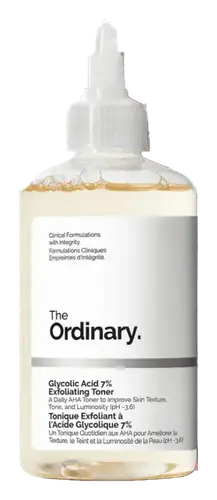
This pore-care treatment is formulated around Gluconolactone and 4-Terpineol to refine the look of pores and clear breakouts.
This treatment pad uses a pre-saturated pad to apply its treatment formula.

What's inside
What's inside
 Key Ingredients
Benefits
Concerns
Ingredients Side-by-side
Water
Skin Conditioning1,2-Hexanediol
Skin Conditioning
Hamamelis Virginiana Water
Astringent



Salvia Officinalis Leaf Extract
CleansingButylene Glycol
Humectant
Arctium Majus Root Extract
Skin Conditioning
Chamaecyparis Obtusa Water
MaskingEucalyptus Globulus Leaf Extract
Perfuming
Melissa Officinalis Leaf Extract
Skin ConditioningGlycerin
Humectant
Hypericum Perforatum Flower/Leaf/Stem Extract
Skin ConditioningSaponaria Officinalis Leaf Extract
AntimicrobialSorbitol
Humectant
Gluconolactone
Chelating






Ethylhexylglycerin
Skin ConditioningPropanediol
Solvent
Trisodium Ethylenediamine Disuccinate
Chelating4-Terpineol
Masking
Succinic Acid
BufferingBetaine
Humectant
Melaleuca Alternifolia Leaf Water
Antimicrobial
Panthenol
Skin Conditioning
Hyaluronic Acid
Humectant
Hydrolyzed Hyaluronic Acid
Humectant
Sodium Hyaluronate
Humectant
Punica Granatum Flower Extract
Skin Conditioning
Pentylene Glycol
Skin Conditioning
Caprylyl Glycol
Emollient
Water, 1,2-Hexanediol, Hamamelis Virginiana Water, Salvia Officinalis Leaf Extract, Butylene Glycol, Arctium Majus Root Extract, Chamaecyparis Obtusa Water, Eucalyptus Globulus Leaf Extract, Melissa Officinalis Leaf Extract, Glycerin, Hypericum Perforatum Flower/Leaf/Stem Extract, Saponaria Officinalis Leaf Extract, Sorbitol, Gluconolactone, Ethylhexylglycerin, Propanediol, Trisodium Ethylenediamine Disuccinate, 4-Terpineol, Succinic Acid, Betaine, Melaleuca Alternifolia Leaf Water, Panthenol, Hyaluronic Acid, Hydrolyzed Hyaluronic Acid, Sodium Hyaluronate, Punica Granatum Flower Extract, Pentylene Glycol, Caprylyl Glycol
Water
Skin ConditioningHamamelis Virginiana Water
Astringent
Butylene Glycol
Humectant
Salvia Officinalis Leaf Extract
Cleansing1,2-Hexanediol
Skin Conditioning
Methylpropanediol
SolventArctium Majus Root Extract
Skin Conditioning
Juniperus Communis Fruit Extract
Perfuming
Melissa Officinalis Leaf Extract
Skin ConditioningMentha Piperita Leaf Extract
Skin ConditioningPentylene Glycol
Skin Conditioning
Hypericum Perforatum Flower/Leaf/Stem Extract
Skin ConditioningSaponaria Officinalis Leaf Extract
AntimicrobialChlorella Vulgaris Extract
Skin ConditioningSodium Hyaluronate
Humectant
Vincetoxicum Atratum Extract
Skin ConditioningAlthaea Rosea Flower Extract
Skin ConditioningHydroxyacetophenone
Antioxidant
Glucose
Humectant
Allantoin
Skin Conditioning
Fructooligosaccharides
Humectant
Fructose
Humectant
Ethylhexylglycerin
Skin ConditioningCaprylyl Glycol
Emollient
Glycerin
Humectant
Acetyl Glucosamine
Skin Conditioning
Sodium Hyaluronate Crosspolymer
Humectant
Disodium EDTA
ChelatingWater, Hamamelis Virginiana Water, Butylene Glycol, Salvia Officinalis Leaf Extract, 1,2-Hexanediol, Methylpropanediol, Arctium Majus Root Extract, Juniperus Communis Fruit Extract, Melissa Officinalis Leaf Extract, Mentha Piperita Leaf Extract, Pentylene Glycol, Hypericum Perforatum Flower/Leaf/Stem Extract, Saponaria Officinalis Leaf Extract, Chlorella Vulgaris Extract, Sodium Hyaluronate, Vincetoxicum Atratum Extract, Althaea Rosea Flower Extract, Hydroxyacetophenone, Glucose, Allantoin, Fructooligosaccharides, Fructose, Ethylhexylglycerin, Caprylyl Glycol, Glycerin, Acetyl Glucosamine, Sodium Hyaluronate Crosspolymer, Disodium EDTA
Reviews
Ingredients Explained
These ingredients are found in both products.
Ingredients higher up in an ingredient list are typically present in a larger amount.
1,2-Hexanediol is a synthetic liquid and another multi-functional powerhouse.
It is a:
- Humectant, drawing moisture into the skin
- Emollient, helping to soften skin
- Solvent, dispersing and stabilizing formulas
- Preservative booster, enhancing the antimicrobial activity of other preservatives
Arctium Majus Root Extract is from the roots of the burdock plant. It is an antioxidant and helps soothe skin.
Butylene Glycol (or BG) is used within cosmetic products for a few different reasons:
Overall, Butylene Glycol is a safe and well-rounded ingredient that works well with other ingredients.
Though this ingredient works well with most skin types, some people with sensitive skin may experience a reaction such as allergic rashes, closed comedones, or itchiness.
Learn more about Butylene GlycolCaprylyl Glycol is a humectant, skin conditioner, emollient, and preservative booster derived from either caprylic acid or synthetically created.
Typical use levels vary from 0.3-1% as a preservative booster and go up to 2% to condition skin.
Because it is not a free-fatty acid, this ingredient is fungal acne safe (there's nothing for Malassezia to feed on).
Learn more about Caprylyl GlycolEthylhexylglycerin is created from glycerin. It is a multitasker ingredient that:
The CIR Expert Panel found minimal skin absorption or sensitization of any kind in a safety assessment. Though this ingredient is considered well-tolerated, a small number of cases of allergic dermatitis have been published since 2002. Just be sure to patch test if you are unsure.
Industry-reported use ranges from 8% in rinse-off products and 2% in leave-on formulations.
Learn more about EthylhexylglycerinGlycerin (or glycerol) is a compound naturally found in your skin. It's a powerhouse humectant that pulls water into the stratum corneum.
Topically, glycerin does several things at once:
Your skin makes glycerin on its own (mostly from sebaceous oil breakdown) and shuttles it to your outermost layer of skin, or your epidermis, via aquaporin-3.
Aquaporin-3 is a transporter that is essential for normal skin hydration, elasticity, and repair. Interestingly, mice lacking in AQP3 have dry and less elastic skin that can be fully corrected with glycerin.
This ingredient is non-irritating, plays well with almost every ingredient, and works across all skin types. Typical use is anywhere between 3-10% but can go up to 79% in some leave-on products.
Just know very high concentrations (>40%) can feel tacky in low humidity.
Glycerin is the name for this ingredient in American English. British English uses Glycerol/Glycerine.
Learn more about GlycerinHamamelis Virginiana Water is made by distilling parts of the witch hazel plant. You can also call this ingredient "witch hazel water".
The name 'Hamamelis Virginiana Water' refers to the distillation product used in cosmetics. On the other hand, 'Witch Hazel' refers to the active drug ingredient.
Unless it is specified to be non-alcohol, many types of witch hazel ingredients are distilled in denatured alcohol.
Witch Hazel water is an astringent, anti-inflammatory antioxidant, and antibacterial ingredient.
It contains tannins. Tannins have a drying effect when used on skin by constricting proteins. The constriction also minimizes the appearance of pores.
Both the tannins and fragrance found in witch hazel may be skin-sensitizing.
Witch hazel water gets anti-inflammatory and antibacterial properties from its catechin and gallic acid content.
Indigenous groups have used witch hazel to help treat inflammation in North America for centuries.
Learn more about Hamamelis Virginiana WaterWe don't have a description for Hypericum Perforatum Flower/Leaf/Stem Extract yet.
Lemon balm is a mint-family herb with skin conditioning properties. It contains components such as rosmarinic acid, caffeic acid, geraniol, citronellal, and ursolic acid.
Pentylene Glycol (1,2-pentanediol) is a multitasking little diol with three main roles in a formula:
Research on alkanediols (the family pentylene glycol belongs to) show they work by disrupting microbial cell membranes. This disruption helps the primary preservative system in a product work more effectively at lower doses.
On the safety side, the Cosmetic Ingredient Review Expert Panel has concluded this ingredient to be safe as used in current cosmetic practices + concentrations.
Typical use levels in a formula run about 1-5%.
Learn more about Pentylene GlycolSage leaf extract is a culinary and medicinal herb with antibacterial, antioxidant, and soothing properties.
This ingredient is made up of 75-90% ursolic acid, a potent antioxidant and anti-inflammatory compound.
We don't have a description for Saponaria Officinalis Leaf Extract yet.
Sodium Hyaluronate is the salt form of hyaluronic acid. It is a long sugar chain that is naturally found in your skin, joints, and connective tissue that maintains hydration and elasticity.
In skincare, it works as a humectant. It pulls water from the environment and deeper layers of skin and binds it to the surface.
Interestingly, the size of the molecule affects its behavior:
Some clinical evidence links low molecular weight versions to improved wrinkle depth, elasticity, anti-inflammatory effects, and barrier repair.
Many serums use a blend of both weights so you can get surface hydration plus longer-lasting and deeper effects.
You'll typically see concentrations between 0.1-2% for this ingredient.
Learn more about Sodium HyaluronateWater. It's the most common cosmetic ingredient of all. You'll usually see it at the top of ingredient lists, meaning that it makes up the largest part of the product.
So why is it so popular? Water most often acts as a solvent - this means that it helps dissolve other ingredients into the formulation.
You'll also recognize water as that liquid we all need to stay alive. If you see this, drink a glass of water. Remember to stay hydrated!
Learn more about Water