JUMISO All Day Vitamin Clean & Mild Facial Cleanser Versus Wishful Get Clean 2% PHA & Sea Moss Gentle Foaming Cleanser
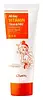
This salicylic acid gel cleanser is formulated around Salicylic Acid to clear breakouts and unclog pores.
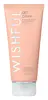
This foaming cleanser uses mild cleansing ingredients, but contains alcohol that may feel drying for some.

What's inside
What's inside
 Key Ingredients
Benefits
Concerns
Ingredients Side-by-side
Water
Skin ConditioningCocamidopropyl Betaine
Cleansing



Glycerin
Humectant


Acrylates Copolymer
1,2-Hexanediol
Skin Conditioning
Sodium Chloride
MaskingCoptis Japonica Root Extract
Skin ConditioningHippophae Rhamnoides Extract
MaskingSalicylic Acid
Masking







Ascorbic Acid
Antioxidant



Acrylates/C10-30 Alkyl Acrylate Crosspolymer
Emulsion StabilisingTromethamine
BufferingChlorhexidine Digluconate
Antimicrobial
Citrus Paradisi Peel Oil
Masking


Limonene
Perfuming
Water, Cocamidopropyl Betaine, Glycerin, Acrylates Copolymer, 1,2-Hexanediol, Sodium Chloride, Coptis Japonica Root Extract, Hippophae Rhamnoides Extract, Salicylic Acid, Ascorbic Acid, Acrylates/C10-30 Alkyl Acrylate Crosspolymer, Tromethamine, Chlorhexidine Digluconate, Citrus Paradisi Peel Oil, Limonene
Water
Skin ConditioningGlycerin
Humectant
Cocamidopropyl Betaine
Cleansing
Potassium Cocoyl Glycinate
Surfactant
Disodium Cocoamphodiacetate
CleansingAcrylates Copolymer
Sodium Chloride
MaskingGluconolactone
Chelating
Tromethamine
Buffering1,2-Hexanediol
Skin Conditioning
Chondrus Crispus Extract
Skin Conditioning

Salix Alba Bark Extract
Astringent
Ceramide NP
Skin Conditioning
Salicylic Acid
Masking
Styrene/Vp Copolymer
Lauryl Glucoside
CleansingButylene Glycol
Humectant
Caprylyl Glycol
Emollient
Polyglyceryl-10 Laurate
Skin Conditioning
Ethylhexylglycerin
Skin ConditioningHexylene Glycol
EmulsifyingSodium Dodoxynol-40 Sulfate
Surfactant
Benzotriazolyl Dodecyl P-Cresol
UV AbsorberAlcohol
Antimicrobial
Tris(Tetramethylhydroxypiperidinol)Citrate
StabilisingSorbic Acid
Preservative
Parfum
Masking
Benzyl Salicylate
Perfuming
Water, Glycerin, Cocamidopropyl Betaine, Potassium Cocoyl Glycinate, Disodium Cocoamphodiacetate, Acrylates Copolymer, Sodium Chloride, Gluconolactone, Tromethamine, 1,2-Hexanediol, Chondrus Crispus Extract, Salix Alba Bark Extract, Ceramide NP, Salicylic Acid, Styrene/Vp Copolymer, Lauryl Glucoside, Butylene Glycol, Caprylyl Glycol, Polyglyceryl-10 Laurate, Ethylhexylglycerin, Hexylene Glycol, Sodium Dodoxynol-40 Sulfate, Benzotriazolyl Dodecyl P-Cresol, Alcohol, Tris(Tetramethylhydroxypiperidinol)Citrate, Sorbic Acid, Parfum, Benzyl Salicylate
Reviews
Ingredients Explained
These ingredients are found in both products.
Ingredients higher up in an ingredient list are typically present in a larger amount.
1,2-Hexanediol is a synthetic liquid and another multi-functional powerhouse.
It is a:
- Humectant, drawing moisture into the skin
- Emollient, helping to soften skin
- Solvent, dispersing and stabilizing formulas
- Preservative booster, enhancing the antimicrobial activity of other preservatives
Acrylates Copolymer is used as a film-forming agent and texture enhancer.
After applied, Acrylates Copolymer forms a thin film cover that helps skin feel more soft. It can help sunscreens become more water-resistant.
It is also used to make a product more thick.
Learn more about Acrylates CopolymerCocamidopropyl Betaine is a fatty acid created by mixing similar compounds in coconut oil and dimethylaminopropylamine, a compound with two amino groups.
This ingredient is a surfactant and cleanser. It helps gather the dirt, pollutants, and other impurities in your skin to be washed away. It also helps thicken a product and make the texture more creamy.
Being created from coconut oil means Cocamidopropyl Betaine is hydrating for the skin.
While Cocamidopropyl Betaine was believed to be an allergen, a study from 2012 disproved this. It found two compounds in unpure Cocamidopropyl Betaine to be the irritants: aminoamide and 3-dimethylaminopropylamine. High-grade and pure Cocamidopropyl Betaine did not induce allergic reactions during this study.
Learn more about Cocamidopropyl BetaineGlycerin (or glycerol) is a compound naturally found in your skin. It's a powerhouse humectant that pulls water into the stratum corneum.
Topically, glycerin does several things at once:
Your skin makes glycerin on its own (mostly from sebaceous oil breakdown) and shuttles it to your outermost layer of skin, or your epidermis, via aquaporin-3.
Aquaporin-3 is a transporter that is essential for normal skin hydration, elasticity, and repair. Interestingly, mice lacking in AQP3 have dry and less elastic skin that can be fully corrected with glycerin.
This ingredient is non-irritating, plays well with almost every ingredient, and works across all skin types. Typical use is anywhere between 3-10% but can go up to 79% in some leave-on products.
Just know very high concentrations (>40%) can feel tacky in low humidity.
Glycerin is the name for this ingredient in American English. British English uses Glycerol/Glycerine.
Learn more about GlycerinSalicylic Acid (also known as beta hydroxy acid or BHA) is a well-known ingredient for treating skin that struggles with acne and clogged pores. It exfoliates both the skin's surface and deep within the pores to help clear out buildup, control oil, and reduce inflammation.
Unlike AHAs (alpha hydroxy acids), salicylic acid is oil-soluble. This allows it to penetrate into pores which makes it especially effective for treating blackheads and preventing future breakouts.
Salicylic acid is also known for its soothing properties. It has a similar structure to aspirin and can calm inflamed or irritated skin, making it a good option for acne-prone skin that is also sensitive.
Concentrations of 0.5-2% are recognized by the U.S. FDA as an over-the-counter topical acne product.
It can cause irritation and/or dryness if one's skin already has a compromised moisture barrier, so it's best to focus on repairing that before introducing this ingredient into your routine.
While salicylic acid does not increase sun sensitivity, it’s still important to wear sunscreen daily to protect your skin.
If you are looking for the ingredient called BHA or Butylated Hydroxyanisole, click here.
Learn more about Salicylic AcidChances are, you eat sodium chloride every day. Sodium Chloride is also known as table salt. This ingredient has many purposes in skincare: thickener, emulsifier, and exfoliator.
You'll most likely find this ingredient in cleansers where it is used to create a gel-like texture. As an emulsifier, it also prevents ingredients from separating.
You might see people debate whether Sodium Chloride is comedogenic, but there actually haven't been any comedogenic tests done on it. Either way, the overall formulation of a product matters a lot more than any single ingredient.
You might see this ingredient used in scrubs as a primary exfoliating ingredient.
Learn more about Sodium ChlorideTromethamine (aka THAM) is a synthetic amino acid that shows up in skincare as a helper ingredient.
It functions as a pH adjuster to help neutralize acidic ingredients and set a formula's pH to the right spot.
This matters a lot because a lot of actives (like vitamin C) needs a specific pH to work well and feel comfortable on skin.
Concentration use ranges from 0.1-1.0% depending on the formula.
Learn more about TromethamineWater. It's the most common cosmetic ingredient of all. You'll usually see it at the top of ingredient lists, meaning that it makes up the largest part of the product.
So why is it so popular? Water most often acts as a solvent - this means that it helps dissolve other ingredients into the formulation.
You'll also recognize water as that liquid we all need to stay alive. If you see this, drink a glass of water. Remember to stay hydrated!
Learn more about Water

