

What's inside
What's inside
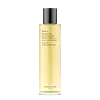 Key Ingredients
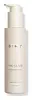
Benefits
Concerns
Ingredients Side-by-side
Sesamum Indicum Seed Oil
Emollient




Simmondsia Chinensis Seed Oil
Emollient


Olea Europaea Fruit Oil
Masking
Helianthus Annuus Seed Oil
Emollient
Prunus Armeniaca Kernel Oil
Masking
Prunus Amygdalus Dulcis Oil
Skin Conditioning
Oenothera Biennis Oil
Emollient

Brassica Campestris Seed Oil
Skin Conditioning
Argania Spinosa Kernel Oil
Emollient

Rosa Canina Fruit Oil
Emollient
Vitis Vinifera Seed Oil
Emollient
Persea Gratissima Oil
Skin Conditioning
Triticum Vulgare Germ Oil
Emollient
Limnanthes Alba Seed Oil
Skin Conditioning
Parfum
Masking

Benzyl Benzoate
Antimicrobial
Linalool
Perfuming
Eugenol
Perfuming
Limonene
Perfuming
Tocopheryl Acetate
Antioxidant


BHT
Antioxidant
Sesamum Indicum Seed Oil, Simmondsia Chinensis Seed Oil, Olea Europaea Fruit Oil, Helianthus Annuus Seed Oil, Prunus Armeniaca Kernel Oil, Prunus Amygdalus Dulcis Oil, Oenothera Biennis Oil, Brassica Campestris Seed Oil, Argania Spinosa Kernel Oil, Rosa Canina Fruit Oil, Vitis Vinifera Seed Oil, Persea Gratissima Oil, Triticum Vulgare Germ Oil, Limnanthes Alba Seed Oil, Parfum, Benzyl Benzoate, Linalool, Eugenol, Limonene, Tocopheryl Acetate, BHT
Helianthus Annuus Seed Oil
Emollient
Oryza Sativa Bran Oil
Emollient
Dimethicone
Emollient
Isosorbide Dicaprylate
Skin ConditioningPrunus Armeniaca Kernel Oil
Masking
Crambe Abyssinica Seed Oil
Skin Conditioning
Argania Spinosa Kernel Oil
Emollient
Rosa Canina Fruit Oil
Emollient
Prunus Amygdalus Dulcis Oil
Skin Conditioning
Limnanthes Alba Seed Oil
Skin Conditioning
Simmondsia Chinensis Seed Oil
Emollient
Citrus Paradisi Peel Oil
Masking

Citrus Aurantifolia Peel Oil
Masking
Cupressus Sempervirens Oil
Masking
Copaifera Officinalis Resin Oil
Masking
Dioscorea Villosa Root Extract
Skin Conditioning
Arctostaphylos Uva-Ursi Leaf Extract
Skin Conditioning
Tocopherol
Antioxidant
Helianthus Annuus Seed Oil, Oryza Sativa Bran Oil, Dimethicone, Isosorbide Dicaprylate, Prunus Armeniaca Kernel Oil, Crambe Abyssinica Seed Oil, Argania Spinosa Kernel Oil, Rosa Canina Fruit Oil, Prunus Amygdalus Dulcis Oil, Limnanthes Alba Seed Oil, Simmondsia Chinensis Seed Oil, Citrus Paradisi Peel Oil, Citrus Aurantifolia Peel Oil, Cupressus Sempervirens Oil, Copaifera Officinalis Resin Oil, Dioscorea Villosa Root Extract, Arctostaphylos Uva-Ursi Leaf Extract, Tocopherol
Ingredients Explained
These ingredients are found in both products.
Ingredients higher up in an ingredient list are typically present in a larger amount.
You may know this ingredient as argan oil. It has emollient and skin conditioning properties that help soften skin and reinforce the lipid barrier.
The fatty acid profile of argan oil is roughly 45-55% oleic acid, 28-36% linoleic acid, 10-15% palmitic acid, and 5-7% stearic acid. It also contains vitamin E, sterols, squalene, and polyphenols like ferulic acid.
Two clinical studies in postmenopausal women found that applying argan oil for 60 days significantly improved skin elasticity and moisturization (reduced transepidermal water loss and increased epidermal water content).
Since it is high in oleic and linoleic acid, this ingredient may not be fungal acne safe. Both of these fall in the C11-C24 range that Malassezia yeast can metabolize.
Learn more about Argania Spinosa Kernel OilHelianthus Annuus Seed Oil is a plant oil derived from the seeds of a sunflower.
It is rich in fatty acids, primarily linoleic acid and oleic acid. This gives it emollient and skin conditioning properties.
The reason this ingredient is so effective is because it forms a thin film on the skin that reduces transepidermal water loss (TEWL) while supplying linoleic acid to the stratum corneum to improve barrier strength.
The high linoleic acid content is particularly noteworthy for acne-prone skin.
Research suggests that acne-prone skin tends to be deficient in linoleic acid in sebum. Topical application may help replenish this to support a healthier follicular environment and less comedone-promoting sebum.
One randomized study found sunflower seed oil preserved skin barrier integrity in adult volunteers with and without atopic dermatitis (outperforming olive oil).
This ingredient is well-studied, gentle, and an effective emollient suitable for most skin types.
On fungal acne: This ingredient may not be Fungal acne (Malassezia folliculitis) safe. This is because it contains fatty acids with carbon chain lengths in the C11-C24 range.
Learn more about Helianthus Annuus Seed OilLimnanthes Alba Seed Oil is from the seeds of the meadowfoam plant. It is a skin conditioning agent and emollient that sits on top of skin to soften and hydrate it.
Over 98% of the oil is made up of long-chain fatty acids, mostly aachidic acid (61%), docosenoic acid (~16%), and docosadienoic acid (~18%).
This combination is not really found in any other plant oil and is the reason this is one of the most stable botanical oils available.
Some studies show it to be more stable than jojoba oil, helps a product resist going rancid, and can help extend the shelf life of a formula.
It also naturally contains vitamin E and phytosterols that give it a mild antioxidant benefit.
This ingredient is typically used from around 1% to fairly high levels since it's gentle; it's well-tolerated and low on the irritation scale.
Learn more about Limnanthes Alba Seed OilThis ingredient is also known as sweet almond oil. It is a lightweight, cold-pressed oil from the ripe seeds of the sweet almond tree.
Sweet almond oil is rich in skin-nourishing fatty acids such as oleic acid (55-86%) and linolenic acid (7-35%).
As an emollient, it softens and hydrates skin by forming a thin barrier that locks in moisture.
Clinical studies have found it to be non-irritating and non-sensitizing. The CIR Expert Panel has evaluated the available safety data and concluded it is safe for topical use.
Because of the oleic acid content, this ingredient may not be fungal acne safe.
This ingredient does have a comedogenic rating of 3, but this doesn't mean a formula with this ingredient will clog pores.
Human testing has proved that any finished product with a comedogenic ingredient won't automatically make you break out; it really comes down to concentration, formula, and your skin.
Learn more about Prunus Amygdalus Dulcis OilThis ingredient is also known as Apricot kernel oil, and it comes form the seed kernels of apricot (a member of the Rosaceae family like almond, peach, cherry, and plum).
It's mostly made up of triglycerides: oleic acid (43.9-78.5%), linoleic acid (9.7-37%), and palmitic acid (4.9-7.3%). These numbers vary depending on the variety of Prunus and the ripeness of the fruit; oleic tends to go up at late harvest while linoleic goes down.
Vitamin E is also prevalent in this ingredient and the most dominant form is gamma-tocopherol.
These compounds give the ingredient emollient and skin conditioning properties that keep the skin soft and hydrated.
There's no regulatory maximum cap for this ingredient so you'll see it across a huge concentration range (100% as a single ingredient facial oil).
On allergies: refined cosmetic-grade oils carry almost no protein. The CIR notes that people allergic to a food generally do not react to the refined oil because the allergenic protein does not partition into it (though cold-pressed grades retain more).
However, it's worth patch testing if you have a stone fruit or tree nut allergy because manufacturer processes for removing the protein can vary.
Malassezia lacks the cytosolic fatty acid synthase gene so the yeast cannot make palmitate on its own and instead uses lipases and phospholipases to release fatty acids from host lipids. Since apricot kernel oil is entirely C16-18 (right in the usable range of C11-24), this ingredient may not be fungal acne safe.
Old rabbit-ear testing did assign this ingredient a comedogenic rating of 1-2. The original author has stated that testing on rabbit ears is not an ideal model for human comedogenicity.
Human testing has proved that any finished product with a comedogenic ingredient won't automatically make you break out; it really comes down to concentration, formula, and your skin.
Just know high-oleic oils tend to feel heavier on oily skin so it's worth patch testing.
Learn more about Prunus Armeniaca Kernel OilRosa Canina Fruit Oil is a non-fragrant plant oil that has earned its skincare reputation through chemistry.
It's dominated by fatty acids like linoleic acid (~35-55%), alpha-linolenic acid (~17-27%), and oleic acid (~14-22%). This is the exact profile that supports skin barrier, locks in hydration, and calms inflammation.
A 2024 review found evidence for the Rosa canina species supports its use for scarring, hyperpigmentation, wrinkles, and atopic dermatitis; this was mostly credited to its vitamin C content and fatty acid composition as the primary active mechanisms.
You might see this ingredient marketed as a "natural retinol". Some rosehip seed oils contains traces of all-trans-retinoic acid but these trace amounts are far below biologically active levels.
The Cosmetic Ingredient Review Panel has deemed this ingredient safe and it's well-tolerated.
Fungal acne: The fatty acids of this oil fall into the C11-24 range that Malassezia yeast can metabolize, so this ingredient may not be fungal acne safe.
Learn more about Rosa Canina Fruit OilJojoba oil is one of the most well-studied plant-derived ingredients in cosmetics. It is an emollient with a special structure.
Because it is made up of 97-98% wax esters, it closely mirrors the linear monoesters found in human sebum. This makes it skin compatible, non-greasy, and lightweight.
Unlike other plant oils, jojoba wax doesn't easily penetrate skin. It mostly works in the uppermost layers as an emollient. This just means it forms a light barrier on the skin to help retain moisture.
Formulations with jojoba esters up to 90% reduced transepidermal water loss (TEWL) and increased barrier recovery by 81% (outperforming bisabolol at 47%).
Besides barrier support, the science also suggests jojoba to have anti-inflammatory effects and potential applications for skin infections, aging, and wound healing.
Fun fact: Indigenous cultures have used jojoba as a moisturizer and to help treat burns for centuries.
Fungal acne: The Malassezia yeast is known to metabolize fatty acids in the C11-24 range and jojoba's dominant fatty acid components fall into this range. This ingredient may not be fungal acne safe.
Learn more about Simmondsia Chinensis Seed Oil

