

What's inside
What's inside
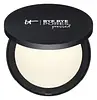 Key Ingredients
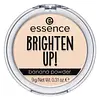
Benefits
Concerns
No concerns
Ingredients Side-by-side
Water
Skin ConditioningAlcohol Denat.
Antimicrobial




Glycerin
Humectant


Propanediol
Solvent
Silica
Abrasive


Phenoxyethanol
Preservative
Methyl Methacrylate Crosspolymer
Kaolin
Abrasive
Zinc Gluconate
Skin Conditioning
Aloe Barbadensis Leaf Juice Powder
Skin Conditioning

Parfum
Masking

Menthoxypropanediol
Masking
Cocos Nucifera Fruit Juice
Emollient
Hamamelis Virginiana Water
Astringent
Allantoin
Skin Conditioning
Hydrolyzed Silk
Humectant
Avena Sativa Kernel Flour
Abrasive
Linalool
Perfuming
Salicylic Acid
Masking

Propylene Glycol
Humectant
Pentylene Glycol
Skin Conditioning
Hydrolyzed Rice Protein
Skin ConditioningLimonene
Perfuming
Citric Acid
Buffering
Soluble Collagen
Humectant
Sodium Benzoate
Masking
Potassium Sorbate
Preservative
Disodium EDTA
Trisodium EDTA
Water, Alcohol Denat., Glycerin, Propanediol, Silica, Phenoxyethanol, Methyl Methacrylate Crosspolymer, Kaolin, Zinc Gluconate, Aloe Barbadensis Leaf Juice Powder, Parfum, Menthoxypropanediol, Cocos Nucifera Fruit Juice, Hamamelis Virginiana Water, Allantoin, Hydrolyzed Silk, Avena Sativa Kernel Flour, Linalool, Salicylic Acid, Propylene Glycol, Pentylene Glycol, Hydrolyzed Rice Protein, Limonene, Citric Acid, Soluble Collagen, Sodium Benzoate, Potassium Sorbate, Disodium EDTA, Trisodium EDTA
Mica
Cosmetic ColorantKaolin
Abrasive
Magnesium Stearate
Cosmetic ColorantCaprylic/Capric Triglyceride
Masking
Synthetic Fluorphlogopite
Copernicia Cerifera Cera
Emollient
Isocetyl Stearoyl Stearate
Emollient
Saccharomyces Ferment
Skin Conditioning
Caprylyl Glycol
Emollient
Glyceryl Caprylate
EmollientPentylene Glycol
Skin Conditioning
Hexylene Glycol
EmulsifyingMagnolia Officinalis Bark Extract
Antimicrobial
Phenoxyethanol
Preservative
Potassium Sorbate
Preservative
Sodium Benzoate
Masking
CI 77491
Cosmetic ColorantCI 77492
Cosmetic ColorantCI 77891
Cosmetic ColorantMica, Kaolin, Magnesium Stearate, Caprylic/Capric Triglyceride, Synthetic Fluorphlogopite, Copernicia Cerifera Cera, Isocetyl Stearoyl Stearate, Saccharomyces Ferment, Caprylyl Glycol, Glyceryl Caprylate, Pentylene Glycol, Hexylene Glycol, Magnolia Officinalis Bark Extract, Phenoxyethanol, Potassium Sorbate, Sodium Benzoate, CI 77491, CI 77492, CI 77891
Reviews
Ingredients Explained
These ingredients are found in both products.
Ingredients higher up in an ingredient list are typically present in a larger amount.
Kaolin is a clay. It is used for oil control and to help minimize pores. Like other clays, kaolin has the ability to absorb excess sebum or oil. This can help clean out pores and mattify the skin.
Some types of kaolin may have exfoliating properties. When water is added to kaolin, it becomes a paste with small abrasive particles.
Most kaolin is a white color, but may be pink/orange/red depending on where it comes from.
The name 'kaolin' comes from a Chinese village named 'Gaoling'. Kaolin clay comes from rocks rich in kaolinite. Kaolinite, the mineral, has a silicate layered structure. Kaolinite is formed from chemical weathering of aluminum siilicate minerals.
Besides skincare, kaolin is commonly used to make glossy paper, in ceramics, toothpaste, and as medicine to soothe stomach issues.
Learn more about KaolinPentylene Glycol (1,2-pentanediol) is a multitasking little diol with three main roles in a formula:
Research on alkanediols (the family pentylene glycol belongs to) show they work by disrupting microbial cell membranes. This disruption helps the primary preservative system in a product work more effectively at lower doses.
On the safety side, the Cosmetic Ingredient Review Expert Panel has concluded this ingredient to be safe as used in current cosmetic practices + concentrations.
Typical use levels in a formula run about 1-5%.
Learn more about Pentylene GlycolPhenoxyethanol is one of the most widely used preservatives in skincare (and for good reason!).
It has a large spectrum of antimicrobial activity and especially effective bacteria, yeast, and mold while only having a weak effect on your skin's natural microbiome.
On a cellular level, it disrupts the cell membranes of microbes by poking holes that make the cell leak. This shuts down the chemical reactions the microbe needs to make energy so it can no longer survive.
Another perk of this ingredient is that it stays functional across a wide pH range (3-10).
You'll often see it paired with boosters like Ethylhexylglycerin; one study showed that a 1:9 ratio of Ethylhexylglycerin to Phenoxyethanol damages bacterial membranes as effectively as doubling the Phenoxyethanol concentration on its own.
Typical use concentrations range from 0.3-1% depending on the formula, and this ingredient is capped at 1% int the EU.
Safety-wise, the fear mongering does not hold up to the evidence. The EU's Scientific Committee on Consumer Safety and FDA consider it safe as a preservative at up to 1%, including for children of all ages.
Adverse systemic effects only showed up in animal studies at exposures roughly 200x higher than what people get from cosmetics. And despite its very widespread use, this ingredient is a rare sensitizer and allergic reactions are uncommon.
Learn more about PhenoxyethanolPotassium Sorbate is a preservative used to prevent yeast and mold in products. It is commonly found in both cosmetic and food products.
This ingredient comes from potassium salt derived from sorbic acid. Sorbic acid is a natural antibiotic and effective against fungus.
Both potassium sorbate and sorbic acid can be found in baked goods, cheeses, dried meats, dried fruit, ice cream, pickles, wine, yogurt, and more.
You'll often find this ingredient used with other preservatives.
Learn more about Potassium SorbateSodium Benzoate is a preservative. It's used in both cosmetic and food products to inhibit the growth of mold and bacteria. It is typically produced synthetically.
Both the US FDA and EU Health Committee have approved the use of sodium benzoate. In the US, levels of 0.1% (of the total product) are allowed.
Sodium benzoate works as a preservative by inhibiting the growth of bacteria inside of cells. It prevents the cell from fermenting a type of sugar using an enzyme called phosphofructokinase.
It is the salt of benzoic acid. Foods containing sodium benzoate include soda, salad dressings, condiments, fruit juices, wines, and snack foods.
Studies for using ascorbic acid and sodium benzoate in cosmetics are lacking, especially in skincare routines with multiple steps.
We always recommend speaking with a professional, such as a dermatologist, if you have any concerns.
Learn more about Sodium Benzoate

