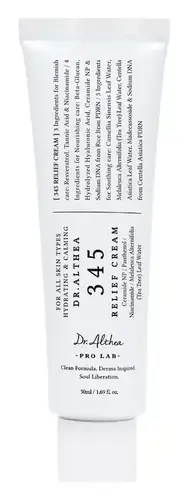
Isispharma Sensylia 24h Fortifying Moisturising Cream Versus Uriage Bariéderm Insulating Repairing Cream
This barrier-repair moisturizer is formulated around Squalane and Polyquaternium-51 to strengthen the skin barrier and hydrate skin.

What's inside
What's inside
 Key Ingredients
No key ingredients
Benefits
Concerns
Ingredients Side-by-side
Water
Skin ConditioningGlycerin
Humectant


Octyldodecanol
Emollient
Butylene Glycol
Humectant
Cetearyl Isononanoate
Emollient
Cetyl Alcohol
Emollient


Sorbitan Palmitate
Emulsifying
Dimethicone
Emollient
Imperata Cylindrica Root Extract
Skin ConditioningGlyceryl Stearate
Emollient
Sodium Cetearyl Sulfate
Cleansing
Cyclopentasiloxane
Emollient
Carbomer
Emulsion StabilisingTriethanolamine
BufferingCyclohexasiloxane
Emollient
Chlorphenesin
Antimicrobial
Sodium Benzoate
Masking
Coco-Glucoside
Cleansing
O-Cymen-5-Ol
Antimicrobial
Citric Acid
Buffering

Parfum
Masking



Caprylyl Glycol
Emollient
Sodium Citrate
BufferingSorbic Acid
Preservative
Hexyl Cinnamal
Perfuming
Acrylates/C10-30 Alkyl Acrylate Crosspolymer
Emulsion StabilisingLimonene
Perfuming
Acetyl Tetrapeptide-15
Skin Conditioning
Biotin
AntiseborrhoeicWater, Glycerin, Octyldodecanol, Butylene Glycol, Cetearyl Isononanoate, Cetyl Alcohol, Sorbitan Palmitate, Dimethicone, Imperata Cylindrica Root Extract, Glyceryl Stearate, Sodium Cetearyl Sulfate, Cyclopentasiloxane, Carbomer, Triethanolamine, Cyclohexasiloxane, Chlorphenesin, Sodium Benzoate, Coco-Glucoside, O-Cymen-5-Ol, Citric Acid, Parfum, Caprylyl Glycol, Sodium Citrate, Sorbic Acid, Hexyl Cinnamal, Acrylates/C10-30 Alkyl Acrylate Crosspolymer, Limonene, Acetyl Tetrapeptide-15, Biotin
Water
Skin ConditioningHydrogenated Polydecene
EmollientOctyldodecanol
Emollient
Cetyl Dimethicone
Emollient
Stearyl Dimethicone
Emollient
Butylene Glycol
Humectant
Glycerin
Humectant
Pvp
Emulsion StabilisingSqualane
Emollient
Magnesium Sulfate
Brassica Campestris Sterols
EmollientDimethicone
Emollient
Chlorphenesin
Antimicrobial
Diazolidinyl Urea
Preservative
O-Cymen-5-Ol
Antimicrobial
Polyquaternium-51
Skin Conditioning
Reviews
Ingredients Explained
These ingredients are found in both products.
Ingredients higher up in an ingredient list are typically present in a larger amount.
Butylene Glycol (or BG) is used within cosmetic products for a few different reasons:
Overall, Butylene Glycol is a safe and well-rounded ingredient that works well with other ingredients.
Though this ingredient works well with most skin types, some people with sensitive skin may experience a reaction such as allergic rashes, closed comedones, or itchiness.
Learn more about Butylene GlycolChlorphenesin is a synthetic preservative. It helps protect a product against bacteria in order to extend shelf life. In most cases, Chlorphenesin is paired with other preservatives such as phenoxyethanol and caprylyl glycol.
Chlorphenesin is a biocide. This means it is able to help fight the microorganisms on our skin. It is also able to fight odor-releasing bacteria.
Chlorphenesin is soluble in both water and glycerin.
Studies show Chlorphenesin is easily absorbed by our skin. You should speak with a skincare professional if you have concerns about using Chlorphenesin.
Learn more about ChlorphenesinDimethicone is a type of synthetic silicone created from natural materials such as quartz. It is also known as polydimethylsiloxane.
What it does:
Dimethicone comes in different viscosities:
Depending on the viscosity, dimethicone has different properties.
Ingredients lists don't always show which type is used, so we recommend reaching out to the brand if you have questions about the viscosity.
This ingredient is unlikely to cause irritation because it does not get absorbed into skin. However, people with silicone allergies should be careful about using this ingredient.
Note: Dimethicone may contribute to pilling. This is because it is not oil or water soluble, so pilling may occur when layered with products. When mixed with heavy oils in a formula, the outcome is also quite greasy.
Learn more about DimethiconeGlycerin (or glycerol) is a compound naturally found in your skin. It's a powerhouse humectant that pulls water into the stratum corneum.
Topically, glycerin does several things at once:
Your skin makes glycerin on its own (mostly from sebaceous oil breakdown) and shuttles it to your outermost layer of skin, or your epidermis, via aquaporin-3.
Aquaporin-3 is a transporter that is essential for normal skin hydration, elasticity, and repair. Interestingly, mice lacking in AQP3 have dry and less elastic skin that can be fully corrected with glycerin.
This ingredient is non-irritating, plays well with almost every ingredient, and works across all skin types. Typical use is anywhere between 3-10% but can go up to 79% in some leave-on products.
Just know very high concentrations (>40%) can feel tacky in low humidity.
Glycerin is the name for this ingredient in American English. British English uses Glycerol/Glycerine.
Learn more about GlycerinThis ingredient is more commonly known as IPMP or Isopropyl Methylphenol. It is a preservative and has antimicrobial properties.
According to the EPA, this ingredient is allowed for use in cleansers, creams, powders, bath products, toothpaste, perfume, and more.
Octyldodecanol is a fatty alcohol sourced from plant oils like coconut or palm (or made synthetically).
It is:
You'll likely see this in many BHA products because this is the go-to solvent for salicylic acid.
This ingredient is typically used at levels between 2-20%.
Regarding fungal acne:
In 2019, this ingredient was tested against multiple Malassezia species (the yeast that causes fungal acne) and showed no growth.
Water. It's the most common cosmetic ingredient of all. You'll usually see it at the top of ingredient lists, meaning that it makes up the largest part of the product.
So why is it so popular? Water most often acts as a solvent - this means that it helps dissolve other ingredients into the formulation.
You'll also recognize water as that liquid we all need to stay alive. If you see this, drink a glass of water. Remember to stay hydrated!
Learn more about Water